

Warsaw stories
Welcome to our blog! Our articles are created by well-known Warsaw guides, journalists and other experts. We will take you on a journey around the city’s most beautiful nooks and crannies, take you off the beaten track and show you unique places. We will give you tips on how to visit Warsaw so that it’s tasty, interesting, and out of the ordinary. We want you to miss Warsaw! Sign up for our newsletter and stay up to date!
* By clicking the ‘Subscribe’ button you consent to receiving the newsletter from us and accept the Regulations of the ‘Newsletter’ service. We will process your e-mail address for the purpose of sending you the newsletter. The administrator of your personal data is the Warsaw Tourism Office. More information on the privacy policy and cookies policy and clause concerning the processing of personal data.

Warsaw City break: tranquility in a great capital
Can a metropolis of over two million people be a place where you can really relax? Warsaw proves it can. While it bustles with the daily life of a major European capital, almost 20,000 hectares of its area are occupied by green spaces – parks, gardens, riverside boulevards, roadside greenery, and forests. So instead of visiting in a rush, why not slow the pace? Morning coffee under shady trees, a stroll through the quiet streets of the Old Town, or a moment on one of the green roofs will let you discover a totally different face of the city – calm, spacious, and surprisingly close to nature.

Culinary Tales from Warsaw
We usually think about culinary culture in the context of dishes, local products, or specialities. But food, and what goes on around the table, is also an interesting topic appearing in stories, legends, and anecdotes. Fruit, vegetables and meals hide many secrets. Some are related to well-known historical figures, while others are simply perfect reflections of the spirit of the time when they were first told. What culinary stories are connected with Warsaw? Here’s one that started hundreds of years ago.

In the footsteps of Warsaw craftsmen - the last masters of exceptional trades
Warsaw can surprise visitors not only with its modern architecture, but also with its abundance of greenery and places to relax. However, it turns out that even in 2026, you can still visit craft studios, which are a rarity in the modern age. Some Warsaw workshops have been run by the same family for a hundred years or more. They are home to artisans who sew made-to-measure gloves, create hats on traditional millinery blocks, or bind books in hand-gilded leather.

Charming hidden nooks off the tourist trail
Walking along Warsaw’s Royal Route, you can admire magnificent palaces, churches, and historic tenement houses. But sticking to this main thoroughfare means missing out on many unexpected places brimming with character: viewpoints, secluded courtyards, and hidden sculptures. Dare to leave the beaten track – explore an alternative route from Charles De Gaulle Roundabout to Castle Square.

Open-air Warsaw
In summer, culture spills out onto the city’s streets, squares and boulevards, creating a unique outdoor atmosphere. Many concerts, festivals and sports events are held in the open air. This al fresco formula usually makes them easily accessible and often free of charge. Many have already become permanent Warsaw fixtures. Find out what events and shows are worth a visit this season.
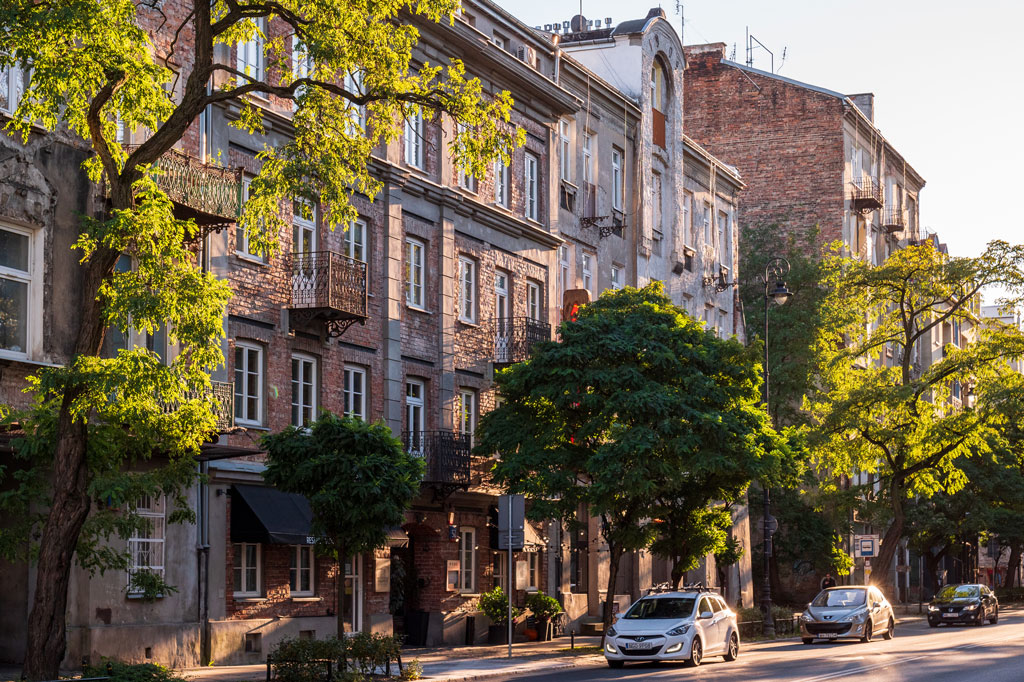
Andrzej Wajda's Warsaw − a walk around the capital on the 100th anniversary of the director's birth
The year 2026 was declared by the Polish Senate the Year of Andrzej Wajda to mark the birth centenary of the director who shaped Polish cinema and Polish sensitivity like few others. The renowned director spent a large part of his life in Warsaw. Perhaps it was knowing the city so well that enabled him to film it like someone familiar with every street, not from maps but from walks, and to shoot scenes from the lives of his characters against that backdrop with such natural ease. Maybe a walk in the footsteps of Andrzej Wajda − of his his life and films − will be a good excuse to discover the Oscar winner’s works?

Warsaw is awash with greenery
Warsaw is one of Europe’s greenest capitals. It is easy here to combine exploring the city, its culture, monuments and history with walks among trees, bushes and flowers. We invite you to discover Warsaw not as a bustling metropolis but as a green and soothing city.

A bouquet of flavours. What are Warsaw's smells and tastes in June and July?
June and July are a special time in Warsaw − the capital literally blooms! The warm days and long, light evenings are best spent outdoors, walking through the parks and gardens and along the riverside boulevards. But what to eat during these walks?

Spring in Warsaw − time to explore the city
In spring in Warsaw, you can feel the city awakening after winter. With each new day, as the temperature rises, the capital gains new energy − seasonal events start, new attractions appear, and the streets are filled with people out walking. It’s the perfect time to explore the city in full bloom!
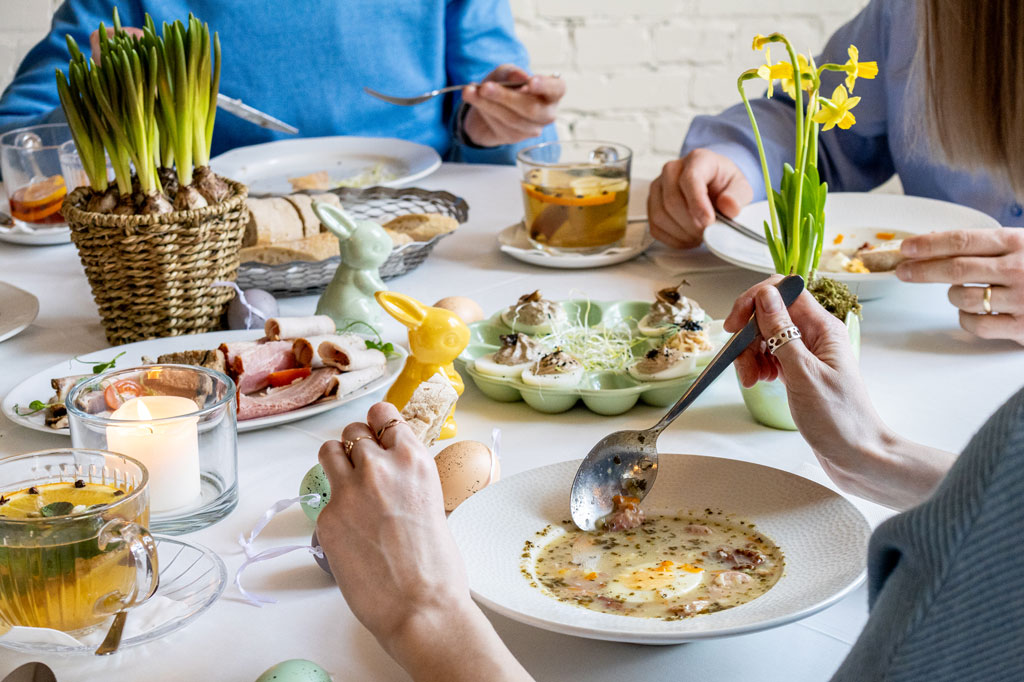
Warsaw’s springtime kitchen: breakfast, coffee and a walk by the river
Spring in Warsaw is a special time − not only because the city is slowly waking up to life after winter, but above all because this is the time when Easter falls. This holiday is associated with one of the most celebrated moments in Polish Christian culinary culture: Easter breakfast. And the warmer days are ideal for walks, during which you can encounter intriguing culinary inspirations.
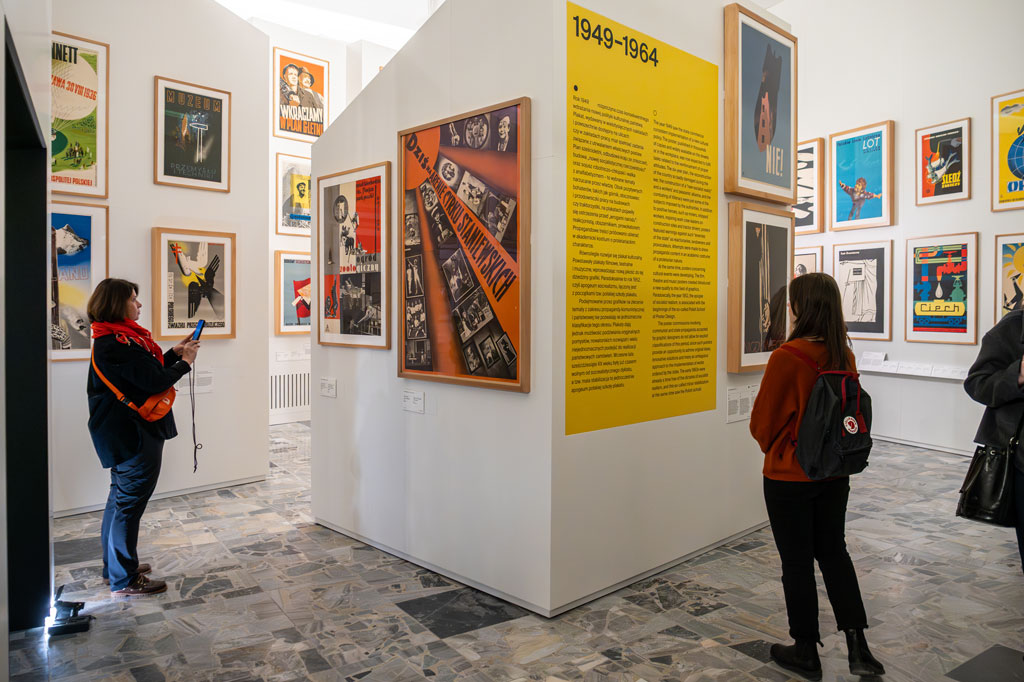
Return of the Wilanów Poster Museum
The Poster Museum in Wilanów has returned to the cultural map of the capital after a break of several years. It is the world’s first museum tonot only collect posters, but also make them available to a wide audience, thereby helping to establish this genre as a fully-fledged art form deserving of museum curation. The new exhibition ‘Polish Posters: The Collection’ presents 240 posters that tell the story of the last 130 years of everyday life on the streets of Polish cities.

The Museum of Warsaw turns 90!
The Museum of Warsaw, founded in 1936, is one of the most important institutions telling the story of the Polish capital. Its main seat is located in 11 historic tennement houses on the Old Town Market Square, which has been a UNESCO World Heritage Site since 1980.
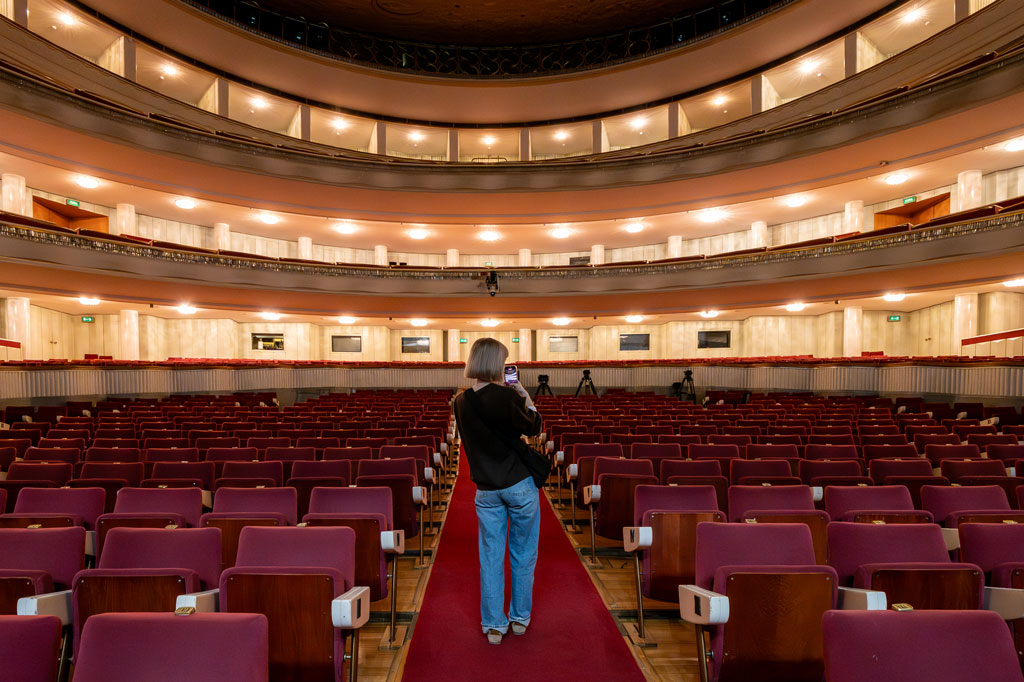
Explore the Grand Theatre–National Opera from the inside
In the heart of Warsaw is a place that for two centuries has delighted visitors with its architecture, music and dance! To celebrate an exceptional anniversary, the Grand Theatre–National Opera not only invites visitors to more great premieres but also opens its doors.

Warsaw with no filters—a city break for young tourists
Warsaw is a city with glass skyscrapers on one side of the street and 100-year-old tenement houses on the other. One moment you feel like you’re in a modern European capital, and a second later on the set of a TV show set in the 1970s. Warsaw is Poland’s largest city, and yet you can comfortably get around it on foot or by bike, surrounded by greenery at every turn. These contrasts make the capital captivating, if you prefer your metropolises less conventional.

Warsaw is soaring! The capital's tallest buildings and their incredible stories from the Middle Ages to the present day
If you want to see the tallest skyscraper in the European Union, take a walk around Warsaw. Varso Tower’s spire seems to touch the sky with its tip reaching a height of 310 metres! However, before the office block claimed the title, the capital of Poland was reigned over by the neighboring Palace of Culture and Science, its peak shrouded in clouds on overcast days. The latest skyscrapers are impressive not only for their height, but also for their aesthetics, technology, eco-friendly approach, and observation decks.

From sweet carnival to salty herring for Lent. Warsaw's culinary attractions in winter and early spring
February and March are perfect for culinary excursions—especially for those who want to get to know Warsaw from the foodie perspective. Winter in Warsaw is fierce this year; the city is covered with snow and the frost is biting, which makes people even more keen to enjoy the culinary traditions of carnival, like doughnuts, faworki (deep-fried ribbons of pastry covered in icing sugar) and… having fun together at a lavishly spread table.

A winter capital brimming with culture and light
Winter in Warsaw is a time when museums and galleries hold special events, and festive fairs and fairy-tale illuminations encourage people to take a stroll and see the city from a different perspective. Here are some exhibitions that are really worth visiting this winter.

Which Christmas Market to visit in Warsaw?
The winter ‘villages’ located in various parts of the capital, feature delightful atmospheric decorations and the aroma of mulled wine and freshly baked treats. On the stalls you can find handmade ornaments, local crafts, and traditional dishes that will give you a true taste of Christmas. Every visitor can find a touch of magic and the unique atmosphere of looking forward to Christmas.

Warsaw winter flavours
If you are looking for the Warsaw flavours of December and January, choose places that blend the old and new. Warm yourself up with hot chocolate at the Wedel shop, go back to the early days of Warsaw commerce at Hala Mirowska, and feel the city’s modern rhythm at winter markets. Seek out Stanisław Wokulski’s shop among the illuminated winter decorations in the city centre, and stop for a warming and aromatic soup along the way.

The most interesting examples of socialist realist architecture in Warsaw
Socialist realism lasted only a few years in Polish architecture (1949–1956). And yet this period saw not only construction of one of Warsaw’s most recognisable buildings—the Palace of Culture and Science—but also of numerous other buildings and large housing estates representative of the style. Their architecture, erected under the slogan ‘socialist in content and national in form’, is extremely intriguing.

Is there anything more beautiful than autumn in Warsaw?
Autumn in Warsaw is a perfect time for peaceful and reflective strolls—golden leaves rustling underfoot, soft light breaking through trees, and the magic of the city streets. After such a bracing walk, nothing tastes better than hot tea or a Pumpkin Spice Latte in one of the cozy cafés, which perfectly sets the mood of chilly days.

This autumn, the whole of Warsaw will live and breathe Chopin
Warsaw is the city of Chopin—this is where Poland’s greatest composer and pianist grew up. The International Chopin Piano Competition, held every five years in the Polish capital, is one of the world’s most important musical events. This year, Warsaw will host the competition for the 19th time between October 2 and 23.

Eat like Fryderyk Chopin
Fryderyk Chopin. Brilliant composer, piano virtuoso, Polish cultural icon. His music touches millions of hearts around the world, which is evidenced by the emotions of international audiences and artists taking part in the International Chopin Piano Competition. On October 2, 2025, the 19th edition of this musical festival will begin! This year is also an interesting time for lovers of the culinary arts! To celebrate the competition, well-known Warsaw restaurants and hotels have created special desserts inspired by Chopin’s music, his favourite flavours, and 19th century culinary fashion.

The highest observation deck in the European Union is now open
Highline Warsaw is a new attraction in Varso Tower—a viewing platform with a full 360-degree panorama. From September, you can admire Warsaw from the highest observatory in the entire European Union.
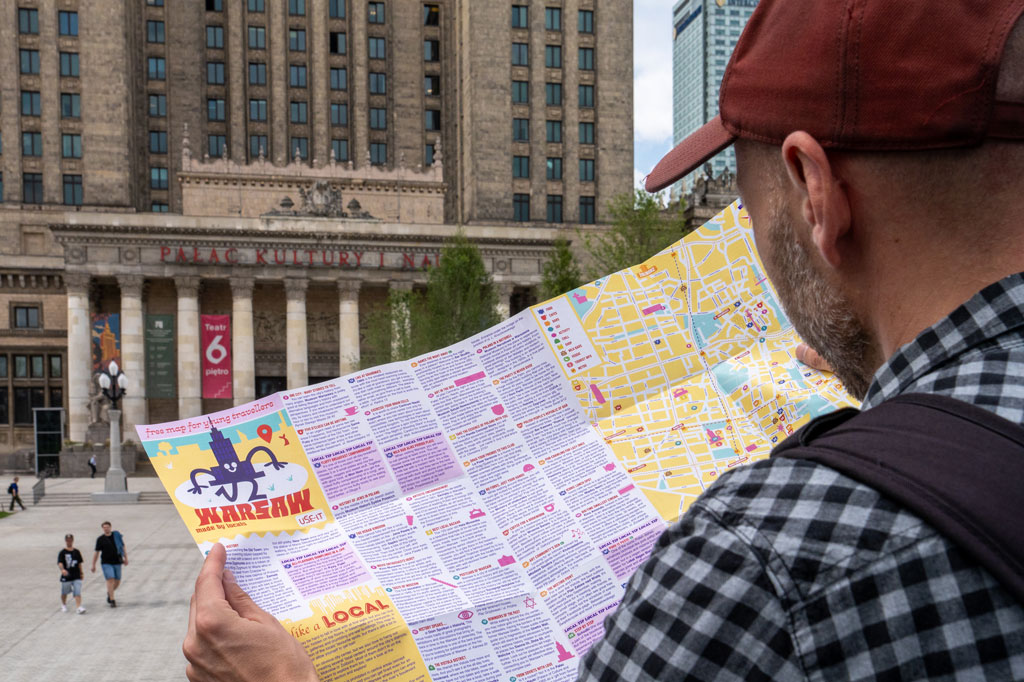
USE-IT Warsaw – free map for young travellers
The Use-It Warsaw Map is a free guide created by young locals for young travellers.
Who better than locals to show you how to discover the capital on a budget – with great food and a creative twist? What’s inside? Nearly 70 off-the-beaten-path places that offer a completely different take on the city: from must-see landmarks and hidden gems to legendary milk bars, pierogi spots and cafés, as well as alternative hangouts and green corners perfect for a break.

Over its 70 years, the Palace of Culture and Science has become one of Warsaw’s most recognisable symbols
To mark the anniversary of this iconic landmark, renowned Warsaw historian and art expert Jerzy S. Majewski tells the fascinating story of the Palace of Culture and Science with his trademark passion. We take a closer look not only at its striking architecture but also at the decorative details and monumental sculptures surrounding the building.

Warsaw for children – where to go with your little ones
Warsaw draws more visitors every year. Its wealth of attractions, landmarks and museums captures the interest of tourists from all over. Countless blogs offer tips on what to do in Warsaw in summer, winter or when it rains.
But what if you’re visiting with children? Every parent knows that traditional sightseeing can be a challenge with little ones in tow. What really matters is good planning and finding places where kids can have fun.

Plan a day full of discovery at the Palace of Culture and Science
237 metres tall, built from 40 million bricks, with 46 levels and thousands of stories etched into marble, wood, the glow of chandeliers and the quiet of grand halls. The Palace of Culture and Science is one of Poland’s most recognisable buildings and a true icon of Warsaw.

Culinary ideas for a summer in the city
Flavours of summer? Ask Iga Świątek – the Warsaw-born tennis star who triumphed in this year’s Wimbledon final on 13 July. When asked about her favourite childhood dish, she mentioned pasta with strawberries, white cheese and yoghurt.The recipe for “Polish Strawberry Pasta” was even featured in The New York Times food supplement.

Drop everything and head to the Vistula!
Warsaw’s unofficial nineteenth district is proving for the tenth season that all year round it can attract people to spend time by the river. The rich and usually completely free range of attractions of course peaks in the summer season, which this year promises to be as appealing as ever.

Cultural Warsaw in summer—music, art and magic in the open air
When the days get longer and the sun shines through the windows more often, Warsaw wakes up to a completely different kind of life. It’s the perfect time to discover the capital as a vibrant city of culture. Open-air concerts, summer theatres, outdoor film festivals, and atmospheric events in parks—all of this makes summer in Warsaw unmissable.

Wianki nad Wisłą (Garlands on the Vistula) 2025—a magical night of tradition and music in the heart of Warsaw
‘Wianki nad Wisłą’ is one of Warsaw’s most spectacular outdoor events, drawing tens of thousands of people every year. The event has its roots in Slavic traditions related to Kupala Night—the festival of fire, water and love.

Warsaw inspires
An interview with Aleksander Prugar and Helena Czernek—founders of the new museum MI POLIN MEZUZAH CENTER

How does spring taste in the city?
Strawberries, asparagus, rhubarb, kohlrabi (German turnip), spinach, cherries, cabbage, botwina—young beetroot leaves and roots—fresh aromatic herbs such as dill or chives, and spring onions… Late spring in Poland is a real treat for lovers of seasonal food.
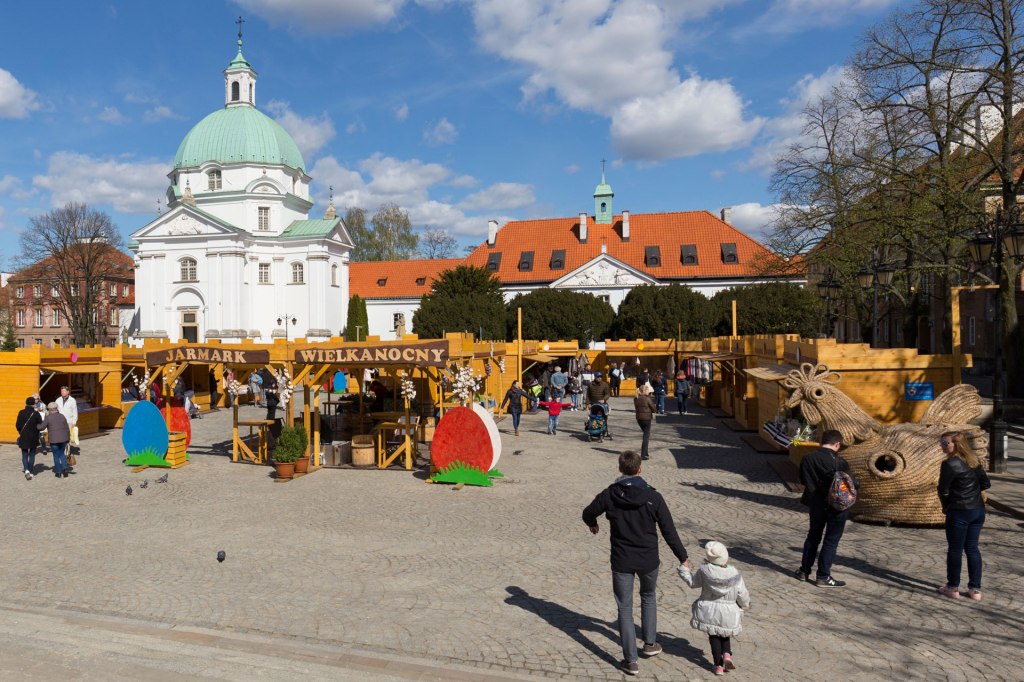
Holy Week in the capital. Varsovians' Easter customs
Warsaw lives to a different rhythm than usual during Easter, and the spring weather is conducive to spending time outside. The city’s daily pace slows perceptibly and Varsovians like to spend time on walks while celebrating Easter traditions.

March and April on a plate
Breaded pork chops, sausages, pork dripping for spreading on bread, and dumplings, even if not stuffed with meat, at least smothered with pork rind and lard… Polish cuisine is associated with meat. Meanwhile, for many years, Warsaw has headed lists of vegan- and vegetarian-friendly places, and Polish culinary traditions are a treasure trove of inspiration for people who do not eat meat. March and April are the perfect time to try modern veggie cuisine in Warsaw.
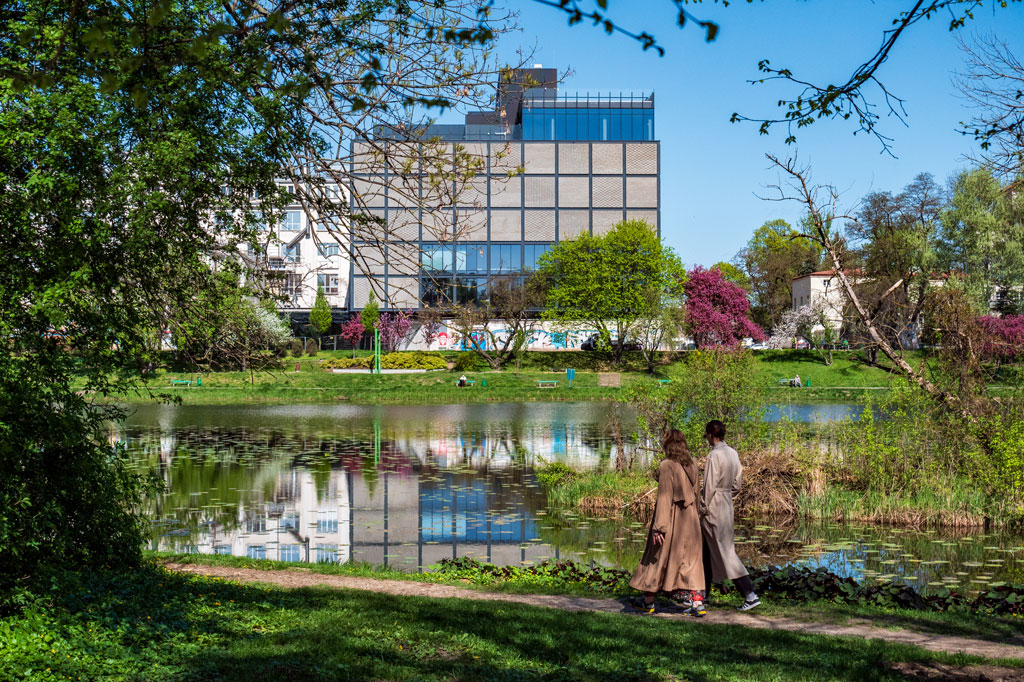
Warsaw in early spring—a time to relax
Warsaw in March is a unique place where you can feel spring in the air and see how the city comes back to life after the winter, because it is an exceptionally “green capital”. Although this greenery is still not too apparent in early March, it is a great time to play detective and set out “in search of spring”. The European Environment Agency lists Warsaw as one of the top ten most tree-covered capitals in Europe. Almost 40% of Warsaw’s area is green space.

Warsaw in a Hollywood production
The capital is enchanting in the award-winning film ‘A Real Pain’. The city was depicted in a picturesque way as a blend of history and modernity. Jesse Eisenberg, the director, screenwriter and lead actor, has emphasised in interviews that he was captivated by the architecture of Warsaw, which combines the old and the new, often side by side. Buildings bearing traces of wartime destruction stand next to modern glass skyscrapers—and this is just the combination he wanted to show in a single shot.

My Warsaw—my city!
See spring Warsaw as it gradually awakens from its winter dormancy. Every day, as the temperature rises, the city acquires energy—seasonal events begin, new attractions appear, and the streets are filled with people out walking. It’s the perfect time to discover Warsaw in full bloom!

The Mermaid—the Polish capital's patroness, and her incarnations
According to one legend, the Mermaid swam to Warsaw from the Baltic Sea and was so enchanted by the view of the city that she decided to stay here. She fell into the hands of a wicked merchant who decided to abduct her and make money by showing her at festivals. The Mermaid was later set free by Warsaw fishermen. As a gesture of gratitude, she promised to defend Warsaw. Since then, armed with a shield and a sword, she has guarded the capital of Poland.

Warsaw is changing for you
Warsaw is the capital of free time—a metropolis that offers tourists unique attractions and unforgettable experiences. It is also a green city, full of beautiful parks, beaches and cycling routes, ideal both for young people and families with children. The diversity and originality of its attractions make Warsaw a great choice for a short break or unforgettable weekend. Check out what’s new in the capital in 2025.
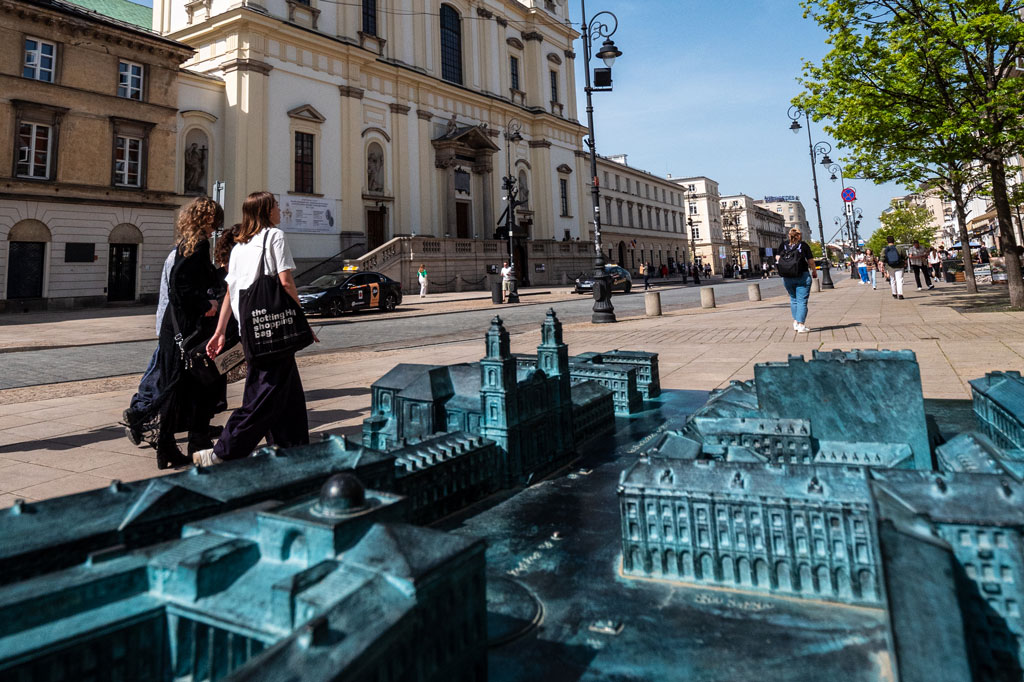
Warsaw accessibility guide
Warsaw museums are becoming ever more accessible to people with different needs as a response to growing awareness of the need to ensure equal opportunities for access to culture. Over the past few years, many museum institutions in the capital have introduced changes aimed at enabling people with disabilities.

Warsaw in winter—more than just Carnival...
Winter Warsaw has a unique charm, especially after the holiday season, when the tourist crowds go home and the city becomes more intimate and laid back. This is the perfect time to discover the capital’s charms at your leisure, admiring its diversity and unique sites that take on a special ambience in winter.

Sweet Carnival in Warsaw
Warsaw past and present is a paradise for those with a sweet tooth. Poland’s confectionery traditions are as rich and diverse as France’s.

What fun Carnival is, and of course it's just—"Warsaw full of singing and dancing"
The Warsaw of the 1920s and 1930s, known as the ‘Paris of the North’, was a centre of vibrant cultural and social life. Although today Warsaw is slightly different from a century ago, it still nurtures the tradition of Carnival madness. The capital is a city full of energy and diversity. Clubs, discos, and bars create unique spaces where music, dance, and joy reign supreme throughout the night. During Carnival, Warsaw simply does not allow for boredom!

A winter getaway in Warsaw
Are you coming to the capital for a city break at the end of the year? Here are some event suggestions you can’t miss. Christmas shopping, festive lights, and ice rinks – these are just some of the attractions Warsaw is famous for at this time of year. Be sure to check out what the city has in store for this season and choose something for yourself!

End-of-year treats
Discover the sweetness of “pańska skórka” and goose delicacies in a culinary piece by Warsaw guide Agnieszka Kuś. The end of autumn and the beginning of winter mark the time for intense holiday preparations and New Year’s Eve feasts. Find out which treats make the perfect gift, from traditional cold cuts, dried mushrooms, fruits, chocolates, pralines, and halva to Wedel’s bird’s milk chocolates and cakes.

Free November in the Royal Residences
We invite you to visit Warsaw residences – the Royal Castle, the Royal Łazienki Museum, and the Museum of King Jan III’s Palace at Wilanów, where throughout November you will be able to see exhibitions, explore unique spaces, and enjoy educational activities for children and adults alike, all free of charge.

A Vistula autumn, Warsaw style
When the beach season ends, autumn enthusiasts flock to the Vistula River, enjoying nature’s charm. There are countless activities to choose from. For active people, in addition to ice bathing in the Wisła, “Paddle and Sauna” is the perfect activity – after kayaking or stand-up paddling (SUP), you can unwind in the sauna.

Warsaw for kids
The capital is a tourist paradise for families with children. Not only are there traditional museums where additional attractions for younger visitors are often organised, but also places tailor-made for children. The capital is bustling with life all year round. But especially in the autumn, the kids will not get bored here.

Warsaw tenement houses — witnesses of history and survival
Warsaw is a city with a turbulent history that has repeatedly risen from the ruins. Among the modern skyscrapers and restored buildings, you can still find tenement houses dating back to the pre-war times. These surviving fragments of old Warsaw not only contrast with modern steel-and-glass office buildings to create a unique landscape, but old brick buildings also remind us of the stories of past residents and are a symbol of the city’s extraordinary perseverance. We invite you to take a walk in the footsteps of the most interesting tenements of Warsaw’s Wola district.

Opening of the new Museum of Modern Art in the autumn
On October 25, the Museum of Modern Art (MSN) will open its new headquarters on Plac Defilad. The building’s welcome—a programme of events open to everyone—will last three weeks and will herald the museum’s future activities.

An invitation to take a walk around the Old Town
Let’s start with the Old Town Square, which is the central point of the Old Town. Did you know that Warsaw City Hall was once situated here? Later, there was a market here. During World War II, the Market Square, like the rest of the Old Town, was 90% destroyed.

Warsaw, capital of music
Autumn in Warsaw is a time when the city becomes a real music capital. Festivals such as ‘Cross-Cultures’, ‘Warsaw Autumn’, ‘Crazy Days of Music’ and ‘Jazz Jamboree’ are a great opportunity to immerse yourself in the world of diverse sounds, from ethnic music, through classics and contemporary compositions of classical music, to experimental jazz.

Warsaw autumn flavours
This month, as well as for the next three, everything is in the greatest abundance: game, domestic fowl, vegetables, fruits, with the exception only of veal and dairy products, which are starting to become more difficult.—Lucyna Ćwierczakiewiczowa (1826–1901) told her readers, describing meals that can be prepared in September.

Old Town Summer Sounds
Every Saturday in July and August, the Old Town Square fills with people. At 7 p.m. sharp, a compère takes to the stage and moments later the sound of jazz rings out. The free show – Jazz at the Old Town – is held here every year and is now celebrating its thirtieth anniversary.

Summer on a plate
The end of spring and the beginning of summer is the time that all gourmets look forward to, dreaming of fresh fruit and vegetables. June is primarily the month of strawberries, but often at the end of the month you can taste cherries – both sweet and tart ones – the fruits whose flavour many Polish people associate with the summer.

Swimming and sunbathing – a popular summer in the city
On hot days, the most popular places for young people and families with young children are swimming pool complexes, and the biggest of these are Moczydło Water Park and the Inflancka Centre. In addition to recreational pools they offer slides, aquatic playgrounds, artificial rivers and water curtains. There are also various other smaller swimming centres available in Warsaw during the summer season including at Szcześliwice and on Wał Miedzeszyński.

Warsaw remembers
August 1 is a unique day for the Polish capital. Every year, at the stroke of 5 p.m., life comes to a standstill in the busy metropolis. For a minute, public transport stops, cars and pedestrians come to a halt, and the wail of sirens fills the air. Varsovians pay their respects to the heroes of an event from the times of World War II.

Hidden pearls of Muranów district
Warsaw is a city that hides many extraordinary stories, and the Muranów district is the best example of this. I invite you for a walk during which you will discover an exceptional place in the city. Leisurely strolls in which you get to know a particular quarter of the city better are the best way to immerse yourself in the history and greenery of Muranów.

Visit Warsaw with all your senses
Interactive and immersive exhibitions are a big hit worldwide – and Warsaw too has its modern side, which is worth a closer look. Expositions are not limited only to presenting works of art, but thanks to modern technology are becoming a compelling story in which we play an active part.