Go To WarsawExplore the Grand Theatre–National Opera from the inside
Explore the Grand Theatre–National Opera from the inside
In the heart of Warsaw is a place that for two centuries has delighted visitors with its architecture, music and dance! To celebrate an exceptional anniversary, the Grand Theatre–National Opera not only invites visitors to more great premieres but also opens its doors.
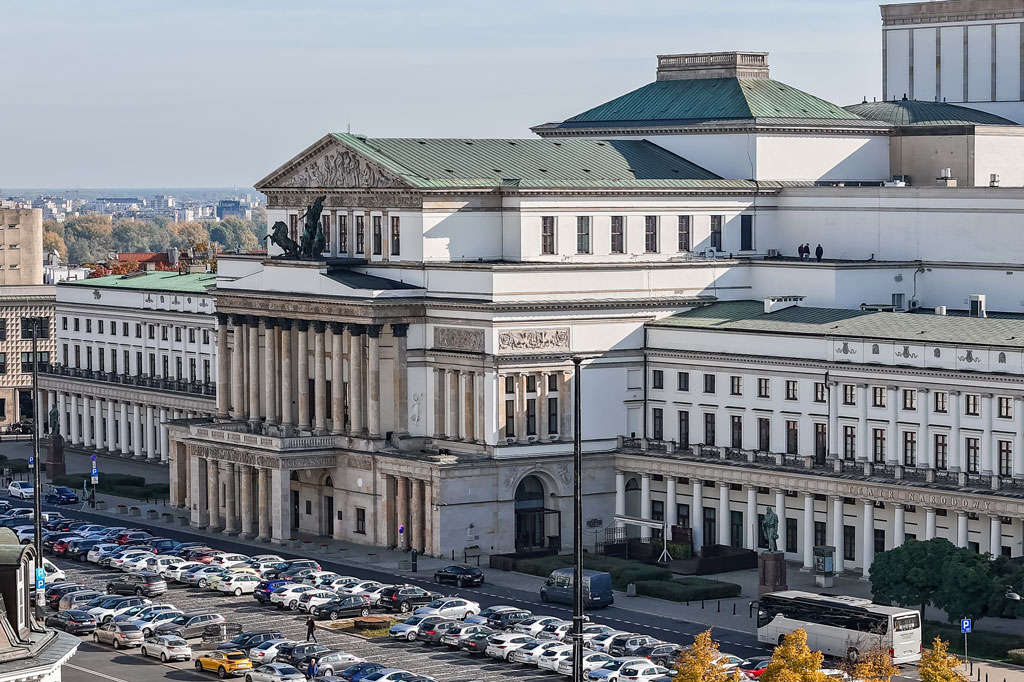
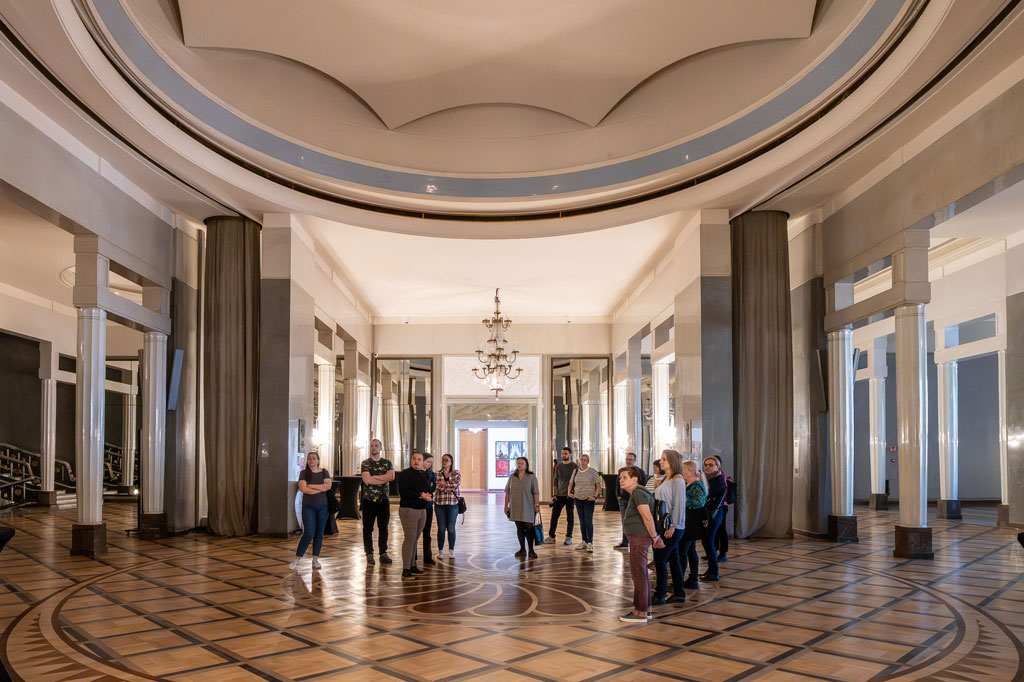
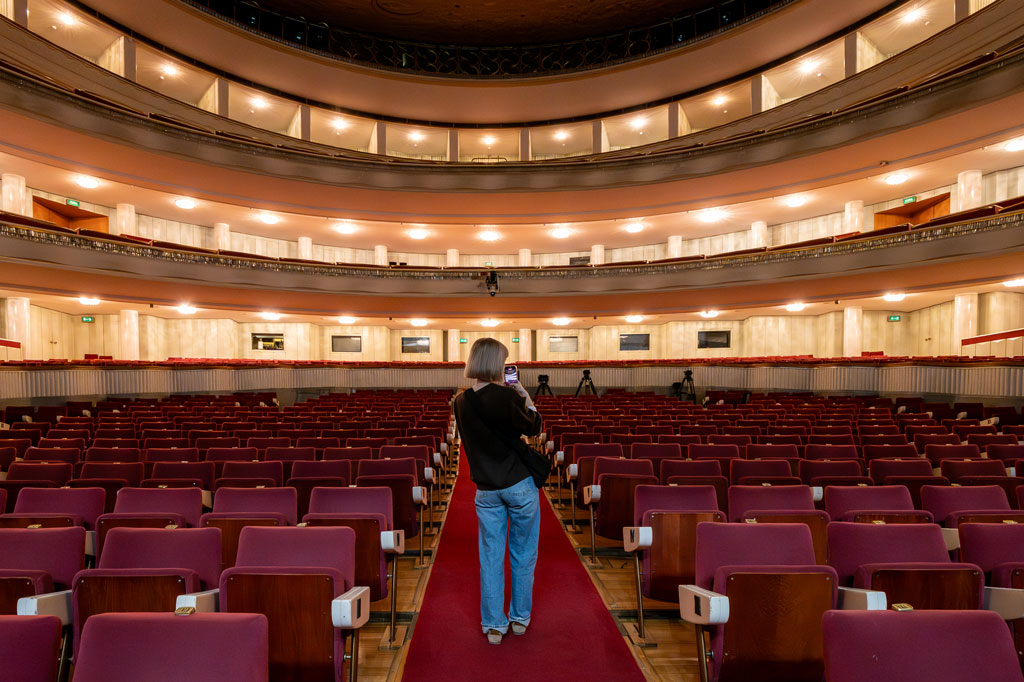
The Grand Theatre–National Opera’s neoclassical edifice is one of Poland’s most iconic and remarkable buildings. Tours of the theatre unveil its secrets and let you feel the atmosphere of a place where art is born every day. The tour showcases grand spaces such as the lower and main foyers, the impressive Stanisław Moniuszko stage, the Reduta Rooms, and the boxes. Backstage and behind-the-scenes areas are also available to visitors − places usually hidden from view. Visitors gain insights into the theatre’s day-to-day functioning and hear fascinating stories about its history and the people who created it.
Grand Theatre–National Opera, photo: Łukasz Kopeć
During the interior design tour, visitors not only have the chance to take a closer look at the details and decorations of the theatre’s most spectacular spaces but also learn the inside story of the building’s reconstruction and the history of the architects and artists who gave the interiors their unique character. The tour includes the lower and main foyers as well as the auditorium − it is an extraordinary opportunity to explore the interiors of the National Opera at a leisurely pace and see them the way their designers envisioned them.
Tours for adults, families and organised school groups are conducted in Polish, with English available once a month, and tickets are available through the theatre’s website.
Grand Theatre–National Opera, photo: Maciej Deperas
A little history
The symbolic birth of the Grand Theatre–National Opera was the cornerstone-laying ceremony on November 19, 1825. Designed by Antoni Corazzi and built between 1825 and 1833, the theatre was intended to rival Europe’s largest opera houses and to be a place where Warsaw’s highest artistic aspirations would come to fruition. The first performance was staged on February 24, 1833, when the audience had the chance to see Gioacchino Rossini’s opera ‘The Barber of Seville’ and ‘The Dance Divertissement’, a ballet by Karol Kurpiński.
During World War II, the Theatre was all but destroyed by aerial bombardments. Reconstruction began in the late 1940s, and in 1951 a competition was held for the design of a new building, which was won by architect Bohdan Pniewski. The work was not limited to restoring the original structure but also included extension and modernisation of the building to create a space adapted to the needs of the contemporary stage. The official opening of the new Theatre took place on November 19, 1965, and its inauguration was Stanisław Moniuszko opera ‘The Haunted Manor’.
Grand Theatre–National Opera, photo: Łukasz Kopeć
The contemporary stage
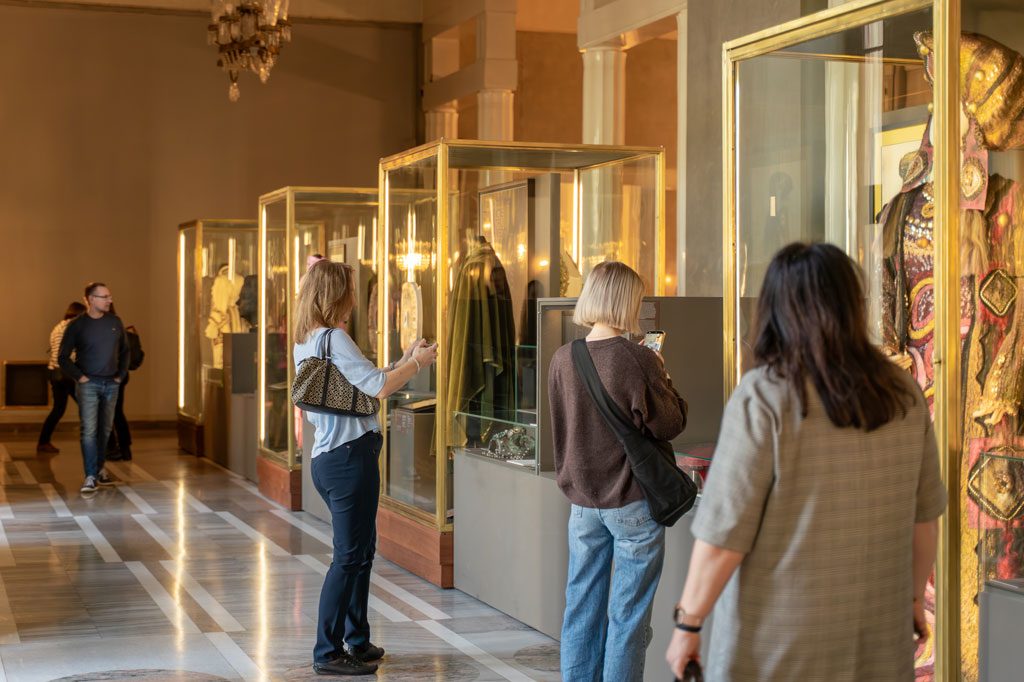
Today, the Grand Theatre–National Opera is a world-class centre of opera and ballet. It hosts premieres, festivals and educational events, and also houses the Opera Gallery and the Theatre Museum. Today’s National Opera is an institution of immense symbolic and artistic significance − its stage not only serves as a platform for operatic masterpieces, but also for engaging in dialogue with a new generation of artists and audiences.
Grand Theatre–National Opera, photo: Łukasz Kopeć
For more tips on how to visit Warsaw sign up for our newsletter and stay up to date!