

Warsaw's appetite for art
Author: Monika Brzywczy − editor, journalist, author of culture and lifestyle articles
Art has left museums and galleries, spread throughout the city, and taken over former villas, hotels, palaces, and post-industrial spaces. It has its own addresses, seasons, rituals and a loyal audience. Exhibition openings draw crowds, and art fairs become social events while other initiatives mean you can take an artistic stroll in almost any part of the capital. Warsaw has clearly developed an appetite for art and is showing an increasingly bold desire to be not only a place where art is enjoyed, but also where it is created.
Poland is a bright spot within the European economy, captivating investors and financial strategists. But great things are afoot here in the art market, too. The capital boasts around 60 to 80 galleries, both public and private, as well as numerous institutions specialising in the field. Most importantly of all, the city finally has a new headquarters for its Museum of Modern Art, which instantly became a Warsaw icon. It is located right by the Palace of Culture and Science on Plac Defilad, which was subject to a building ban throughout the communist era to ensure that Stalin’s gift retained its undisputed dominance over the city’s skyline. After years of nationwide debate over the design competition, the choice of architect, and the final look of the project − it is at last a reality! In autumn 2024, the minimalist building designed by New York architect Thomas Phifer was opened to the public. The event certainly started a new chapter in Warsaw’s history. The city finally has a modern art institution with an interesting and constantly expanded collection, a rich programme, a strong team of curators, and a spacious building that tops tourist itineraries.

More than museums!
Of course, this is not the capital’s first art institution − it is also worth visiting the classics: the National Museum, Królikarnia, Zachęta – National Gallery of Art, and the Ujazdowski Castle Centre for Contemporary Art. Exhibitions are also held at historical sites including the Royal Łazienki Museum and the Museum of King Jan III’s Palace at Wilanów, where the recently reopened Poster Museum is a must-see. Yet many of the most exciting artistic initiatives of recent years have emerged from the grassroots, and they are the ones reshaping Warsaw’s art scene. The Hotel Warszawa Art Fair, Warsaw Gallery Weekend and Villa Warszawa − all these events are gaining momentum every year, bringing together galleries from Poland and abroad and, most importantly, attracting crowds of visitors. Queues to enter wind around the venues, collectors show up first for the VIP previews, and sponsors lay on luxury cars and bubbly, alongside bathroom fixtures and tablets. Everyone wants to be there!

Galleries take the initiative
What is behind Warsaw’s vibrant art scene? Perhaps it is down to the political transition, and a certain hunger left over from the old system. During the communist era, all the art institutions were state-owned and exhibited artists who were members of art associations. And the paintings and other works were sold by DESA − also a state-owned company. The first private galleries in Warsaw (and in Poland) emerged in the late 1970s. These included Piotr Nowicki’s gallery on Nowy Świat Street and that of the Wahl sisters, founded in 1979 in a private house in the Żoliborz district. The latter was an early sign of fatigue with the monotony and drabness of the late Polish People’s Republic. It quickly became something much more than just an exhibition space − a legendary meeting place for Warsaw’s intelligentsia and bohemia. Ten years later, with the change of system, more galleries began to appear. The craving for a liberal narrative on art − and for the free trade of artworks − was immense. From this wave emerged Warsaw institutions such as the Foksal Gallery Foundation (FGF) and Raster − now one of Poland’s most influential private initiatives. Joanna Mytkowska, one of the founders of FGF, has been at the helm of the Museum of Modern Art for over a decade, while Michał Kaczyński, co-founder of Raster, is one of the creators behind Warsaw Gallery Weekend and Villa Warszawa − two of the capital’s most important and vibrant art events, born out of grassroots movements by private gallery owners.
September belongs to art
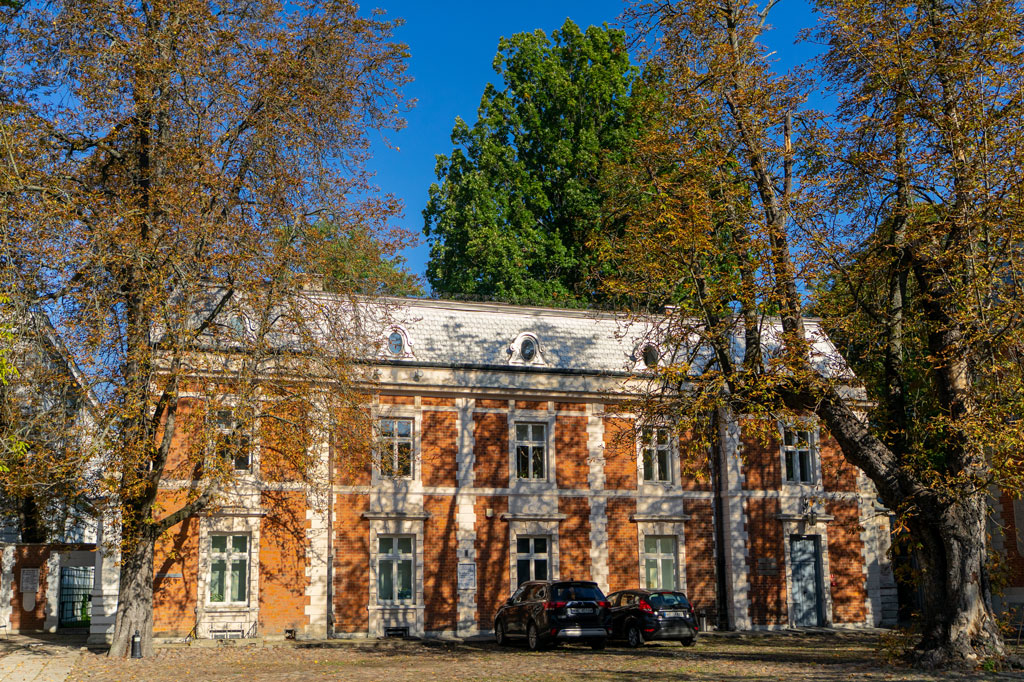
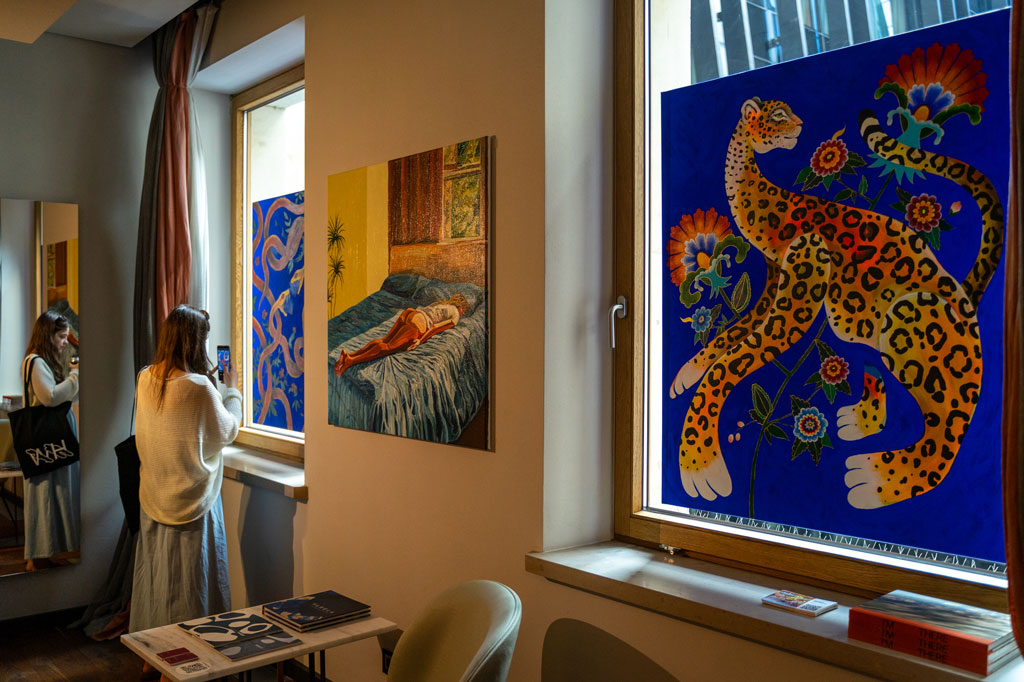
This year, Warsaw Gallery Weekend celebrates its 15th anniversary! It was created to encourage visitors to venture beyond the very centre of the city and visit galleries slightly farther afield, such as on the opposite bank of the river. Following in the footsteps of similar initiatives that worked brilliantly in Berlin and London, gallery owners joined forces for one weekend in September (this year from September 18–20) to hold numerous exhibition openings and launch new shows, with a map published showing the locations of participating venues.Warsaw Gallery Weekend has grown into an institution that draws crowds of visitors from Poland and around the world to the capital every autumn. Warsaw is the place to be this September, walking the city’s streets as you take in the event from one gallery to the next, with stops for coffee and chats with friends you’ve met along the art trail. Another autumn initiative is the Hotel Warszawa Art Fair − a weekend event that transforms the rooms of a downtown luxury hotel into exhibition space. The project was driven by women, who increasingly own and run Warsaw galleries − Gunia Nowik (Gunia Nowik Gallery), Marta Kołakowska (Leto), Justyna Wesołowska and Marika Zamojska (Polana).
The city gives art space
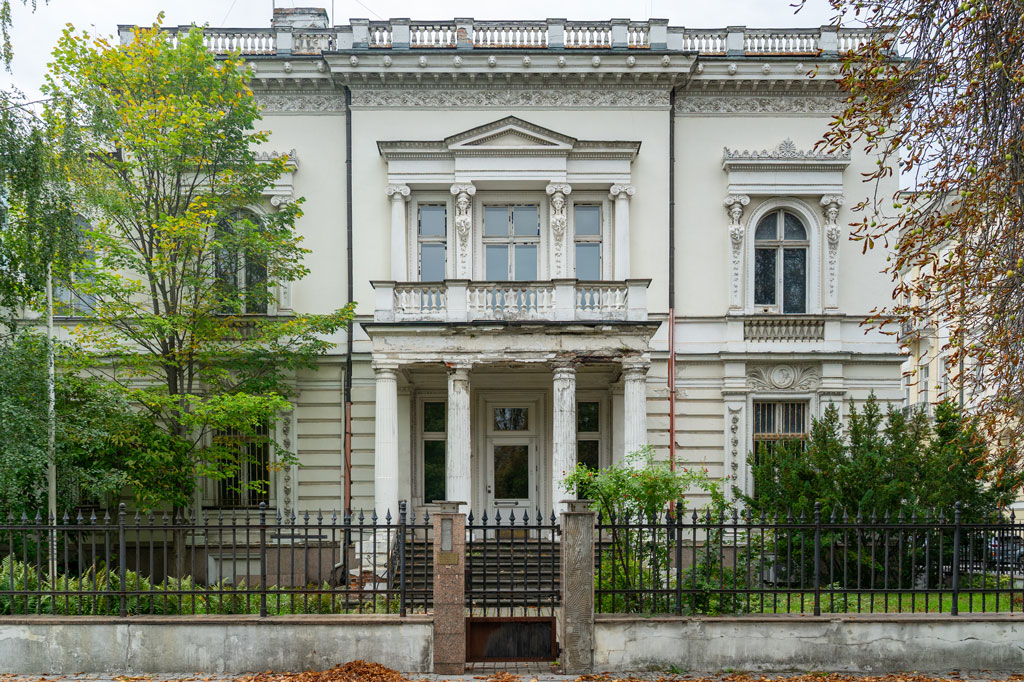
Other events taking place in the same month include Fringe Warszawa, created in opposition to the now mainstream Warsaw Gallery Weekend with the aim of strengthening the community of grassroots and independent venues and artistic projects, as well as Constellation − a series of collaborations between Warsaw galleries and their international counterparts. With the artistic autumn bringing such great benefits to art institutions, the last three years have also seen a spring campaign − in late May, Art Villa Warszawa is held, taking over spectacular abandoned villas along Aleje Ujazdowskie. Following the first edition of the event, the beautiful Gawroński Villa found a new owner and is today home to the Visteria Foundation, which stages its own art events there in May and September, adding to the capital’s vibrant spring and autumn cultural calendar. Meanwhile, Villa Warszawa moved to an even larger building nearby − Wielopolski Palace, the former seat of the British Embassy. Where will it be next year? Time will tell, but one thing is certain: Warsaw’s art scene is taking over the city’s most spectacular buildings and becoming an ever more fascinating fixture on the international stage.
For more tips on how to visit Warsaw sign up for our newsletter and stay up to date!
* By clicking the ‘Subscribe’ button you consent to receiving the newsletter from us and accept the Regulations of the ‘Newsletter’ service. We will process your e-mail address for the purpose of sending you the newsletter. The administrator of your personal data is the Warsaw Tourism Office. More information on the privacy policy and cookies policy and clause concerning the processing of personal data.