

A bouquet of flavours. What are Warsaw's smells and tastes in June and July?
June and July are a special time in Warsaw − the capital literally blooms! The warm days and long, light evenings are best spent outdoors, walking through the parks and gardens and along the riverside boulevards. But what to eat during these walks?
Warsaw in the summer
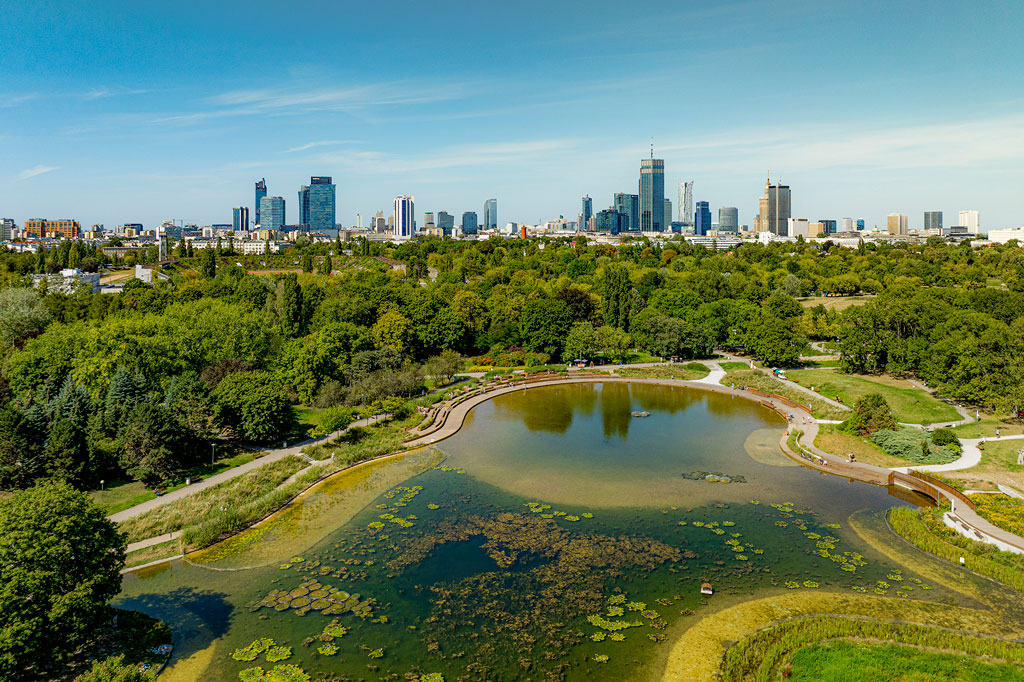
Warsaw really has something to shout about when it comes to green space. The Warsaw City Greenery Authority currently manages as many as 32 city parks − from the historic Saxon Garden and Krasiński Garden, through Ujazdowski Park, Pole Mokotowskie and Skaryszewski Park, to the newly opened Żerański Park by the Vistula River. There are also over a hundred local squares and ‘pocket parks’, in addition to about 1,050 hectares of roadside greenery.
In addition to these public open spaces, Warsaw also has some real hidden garden gems − places where nature blends with the history and architecture of the landscape. Among these are the Royal Łazienki Museum and the Museum of King Jan III’s Palace at Wilanów. If we add to the list two exceptional scientific spots − the University of Warsaw Botanical Garden on Al. Ujazdowskie and the Botanical Garden of the Polish Academy of Sciences in Powsin − we will get a full map for summer excursions. It is here, among the flower beds, borders, and vegetable patches, that we’ll find the best inspirations for Warsaw’s 2026 summer menu.
Flavours hidden in the urban greenery
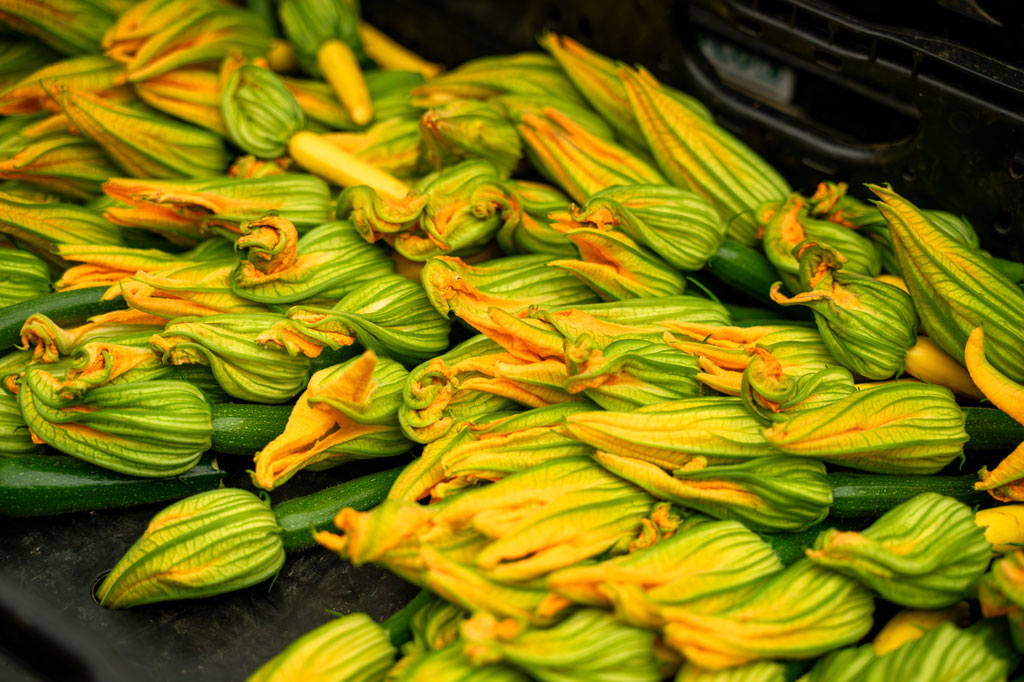
Increasingly, botanists and local activists view the capital as a huge ‘kitchen garden’, pointing out that the historic areas of Nowolipki, Muranów, and the vicinity of Ogrodowa Street were for centuries full of orchards, vegetables plots and smallholdings providing food for the city’s inhabitants. Today, these traditions are coming back in a new, more conscious way − both in the form of urban gardening and in the fashion for edible flowers and wild plants.
This is illustrated perfectly by the book Hungry for Green Warsaw by Jodie Baltazar, written in collaboration with Paulina Jeziorek (available only in Polish). This is a real botanical and culinary guide that includes proven recipes. The ‘wild greens salad’ described in it resembles a botanical map of the city’s flavours rather than a classic how-to guide. To make it, you need to look for leaves with mild, sour, spicy, bitter and aromatic flavours − and the list of specific names is very long! You should also add edible flowers: nasturtium, borage, dandelion, or black locust. This is of course quite an unconventional and probably even controversial idea for many people − most city dwellers still see urban squares more as decoration than as a source of ingredients for dinner. And yet such a salad perfectly demonstrates the modern way of thinking about things like seasonality, diversity, and thoughtful exploration of the city with all the senses.
'Appetising Botanical' and seasonal cuisine
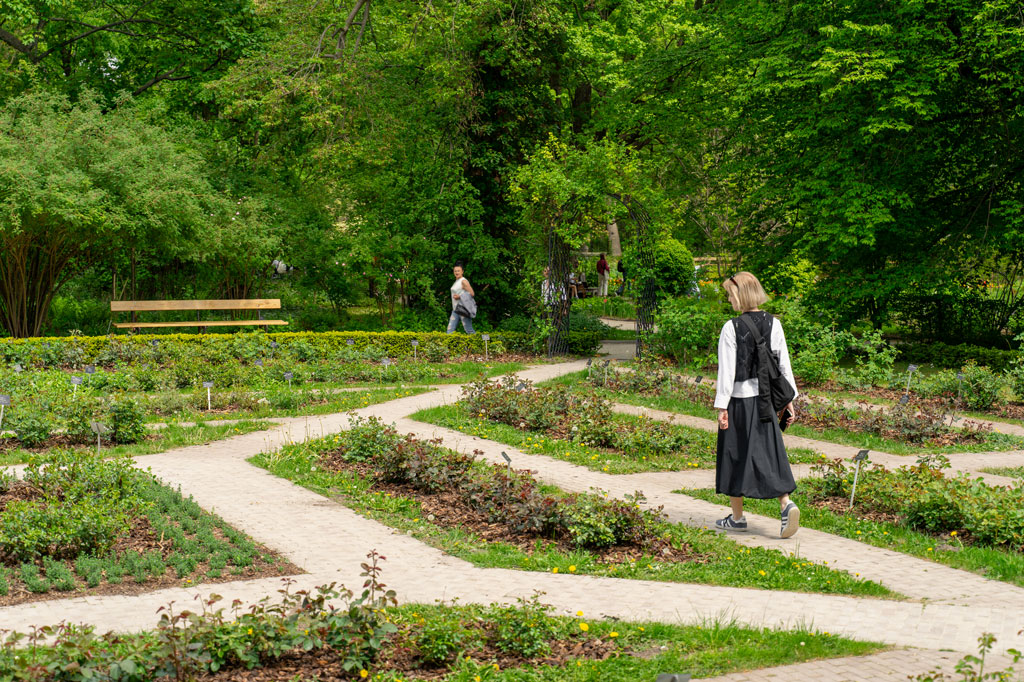
A unique guide to summer flavours this year is the University of Warsaw Botanical Garden, which has dedicated the 2026 season to the ‘Appetizing Botanical’ educational programme. This is an initiative focused on edible plants and food culture more generally − from cultivation and harvesting, through old-world culinary practices, to modern discussions about ecology and reducing food waste.
Every Sunday, you can listen to open-air broadcasts by Polish Radio’s Program 1, while free lectures by experts are held in the garden pavilions. Although these culinary and botanical events are in Polish, a simple walk can provide inspiration for the kitchen. A stroll around the vegetable patches full of baby beet greens, sorrel and intensely fragrant herbs is the perfect complement to morning shopping at Hala Mirowska or other Warsaw markets. It will bring a fresh understanding of seasonality and help you see everyday ingredients differently.
The garden also offers tips on how to bring these inspirations into your own kitchen. Free brochures by Marianna Darżynkiewicz-Wojcieska, featuring recipes for green breakfasts and vitamin-filled dishes, can be downloaded directly from the botanical garden’s website.
Rose-scented Warsaw
Late spring and early summer is the perfect time to break free of culinary routines and usher pansies, nasturtiums, borage, or the absolute queen of summer gardens − the rose − onto Warsaw’s plates.
It is hard to find a more Varsovian delicacy than the doughnut, but it is the pastry’s filling that has been dividing locals for generations. There are pastry chefs and enthusiasts who form ‘rose lobbies’, while others remain faithful to traditional multi-fruit marmalade or experiment with new foodie fashions like pistachios or matcha.
But rose-filled doughnuts are only one way to enjoy the flower’s aroma. Take a walk to the Rose Garden in Wilanów, the rosarium in Pole Mokotówskie park, or the Botanical Garden of the Polish Academy of Sciences in Powsin. There, among the thousands of bushes and hundreds of varieties, you can really see how vast and complex the world of roses is. It’s also a great botany lesson for culinary adventurers. But you will soon discover that most of the beautiful florist roses are completely inedible. The real ‘jam’ varieties are primarily the Damascus, Galician and wild roses.
A new take on old flavours
When it comes to sealing the rose’s aroma in jars, a problem arises. Old cookbooks − including Warsaw classics written by Lucyna Ćwierczakiewiczowa in the second half of the 19th century − suggest quantities of sugar that today make the head spin. For example, in a cookbook published in 1858, Lucyna recommended as much as three pounds of sugar per pound of rose petals (a ratio of 3 to 1), adding that even more sugar was used in Poland’s eastern Borderlands.
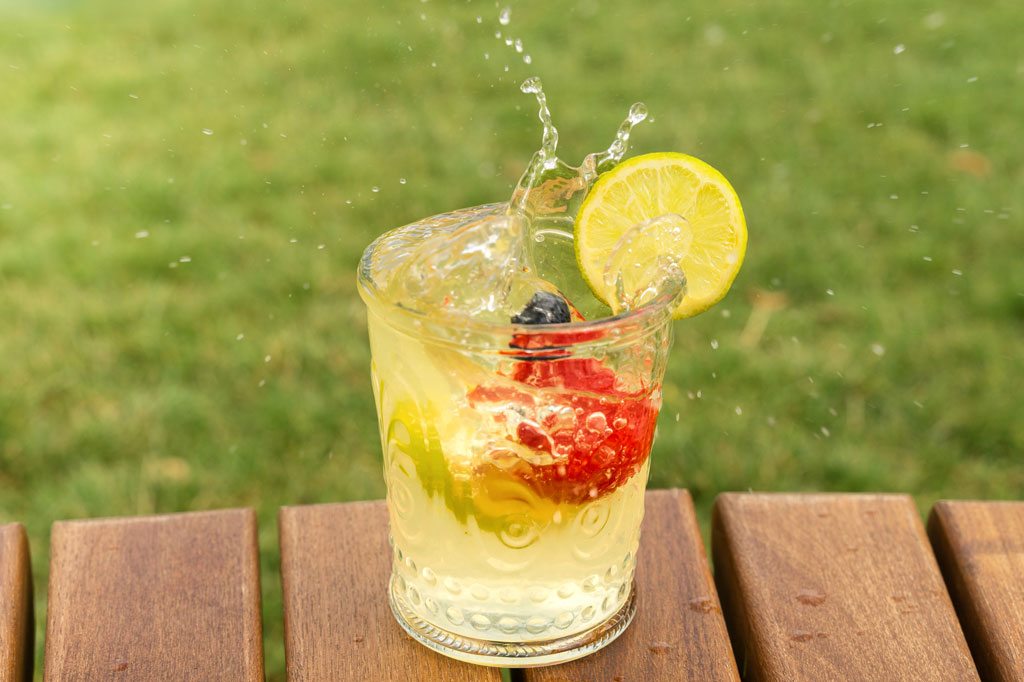
That’s way too much for the modern palate. So instead of the old-fashioned sticky preserves, it is worth seeking out lighter, more modern interpretations of this aromatic tradition: ground and lightly sweetened rose petals or a delicate rose syrup for lemonade, chilled water, or hot bedtime tea.
But the amount of sugar was not the only eyebrow-raiser on Warsaw menus of old. Another big hit of the turn of the 19th and 20th centuries was… crayfish. Although they almost disappeared from Mazovian waters over the years, today − thanks to programmes to reintroduce the native noble crayfish (Astacus astacus) − they are slowly returning to Warsaw’s tables. Some restaurants once again offer classic dishes like crayfish in cream as well as modern serving alternatives such as in salads or even pierogi (dumplings).
Chłodnik, rhubarb, and the taste of a Warsaw summer
The rose is a mere entrée to the summer flavour fest. This is the time of year when chefs compete in creating seasonal specials that blend tradition with modern urban style. The king of hot days remains Lithuanian Chłodnik − an intensely pink cold beet soup loaded with baby beet greens, radishes, cucumbers, and fresh dill, topped with a hard-boiled egg and served with a mandatory side of new potatoes. Green and white asparagus, sorrel soup, baby beet greens (baby beet borscht) and braised baby cabbage with dill also grace tables.
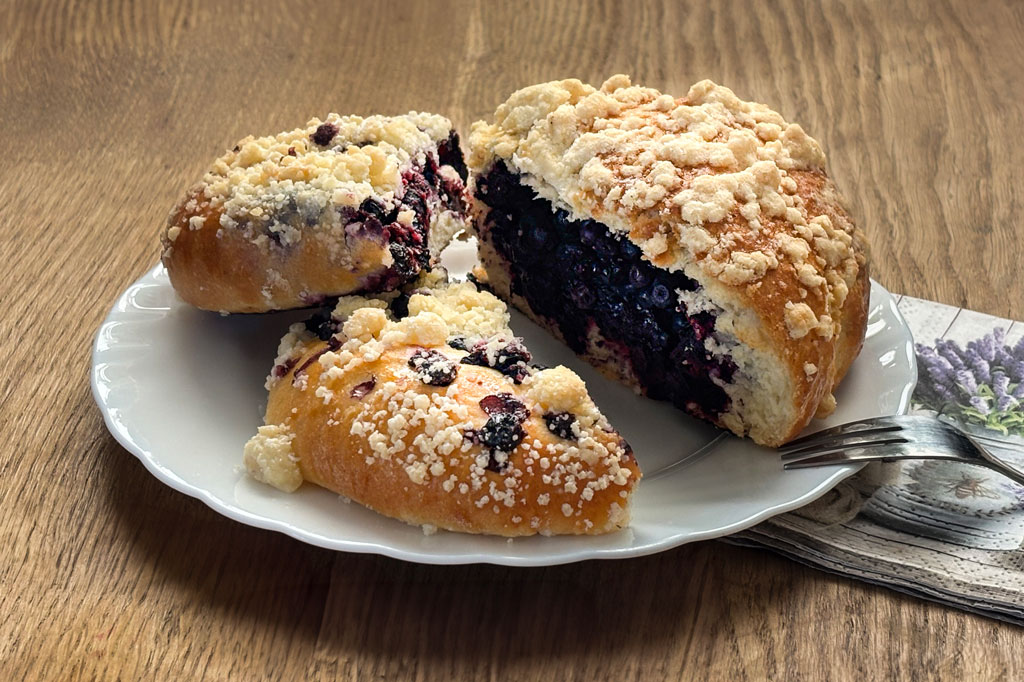
The green trend is also apparent in Warsaw’s patisseries and cafés. The aroma of coffee mixes with that of sweet yeast buns with rhubarb and mini tarts filled with strawberries or berries. Then it’s time for jagodzianki − yeast rolls with forest fruits − which for many Poles are a culinary reminder of summer, childhood, and home cooking. It is these flavours that make up Warsaw’s summer landscape.
All these stories − from ‘Appetizing Botanical’, through rose-jam doughnuts and the secrets of Mrs. Lucyna’s pantry, to crayfish returning to tables − show that in Warsaw, food is much more than just daily sustenance. It is a story of the city written in flavours and fragrances that change with the seasons.
Author: Agnieszka Kuś, Warsaw guide
For more tips on how to visit Warsaw sign up for our newsletter and stay up to date!
* By clicking the ‘Subscribe’ button you consent to receiving the newsletter from us and accept the Regulations of the ‘Newsletter’ service. We will process your e-mail address for the purpose of sending you the newsletter. The administrator of your personal data is the Warsaw Tourism Office. More information on the privacy policy and cookies policy and clause concerning the processing of personal data.