Breaded pork chops, sausages, pork dripping for spreading on bread, and dumplings, even if not stuffed with meat, at least smothered with pork rind and lard… Polish cuisine is associated with meat. Meanwhile, for many years, Warsaw has headed lists of vegan- and vegetarian-friendly places, and Polish culinary traditions are a treasure trove of inspiration for people who do not eat meat. March and April are the perfect time to try modern veggie cuisine in Warsaw.
Warsaw veggie flavours
According to the Top 25 Vegan-Friendly Cities 2025 ranking conducted by the Happy Cow platform, our capital ranks high, in eleventh place among the twenty-five highlighted cities worldwide. Interesting vegan and vegetarian eateries can be found not only in the very centre of Warsaw and fashionable districts such as southern Śródmieście, Powiśle, Saska Kępa or Żoliborz. Seeking out plant-based flavours with the help of positive opinions from the Internet, you can discover a Warsaw less often written about in guidebooks, for example Kamionek, Grochów (Praga Południe district) or around Stalowa Street in Nowa Praga (Praga Północ district). But is it possible to sample traditional dishes among the meatless delicacies? Do vegetarian- and vegan-friendly restaurants only tempt you with international cuisine and modern fusion dishes?
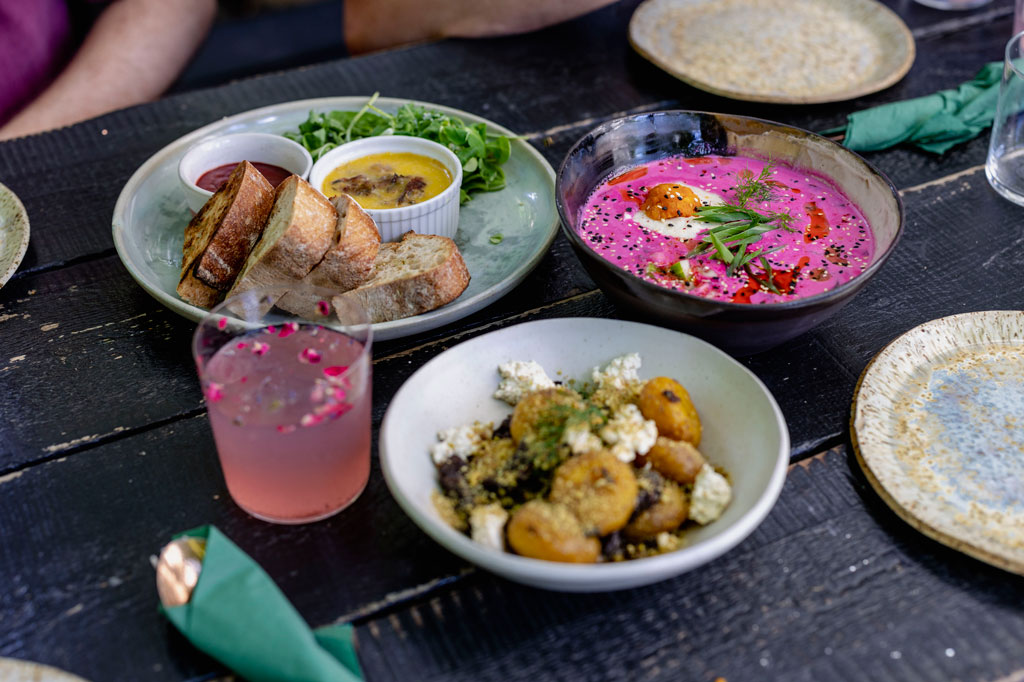
Eden Bistro, photo: City of Warsaw
Statistics confirm that as a nation, Poles are among the top meat consumers in the European Union. Currently, the average meat consumption per capita in Poland is estimated at approx. 78 kg per year. However, limiting meat consumption and taking a creative approach to plant-based cuisine is an important part of our culinary heritage. Some of the most wonderful Polish recipes and culinary customs were created with a view to strict observance of the long and very restrictive religious fasts obligatory for Catholics and Orthodox Christians. Formerly, for the poorest, fasting meant a diet based on herring and żurek (a distinctive-tasting soup made from fermented rye flour). Meanwhile, the richest feasted on sophisticated fish dishes (allowed during lent) and inventive dishes made of fruits and vegetables masquerading as cheese or meat. Lenten fare often included flour-based dishes covered in oil and fried onions.
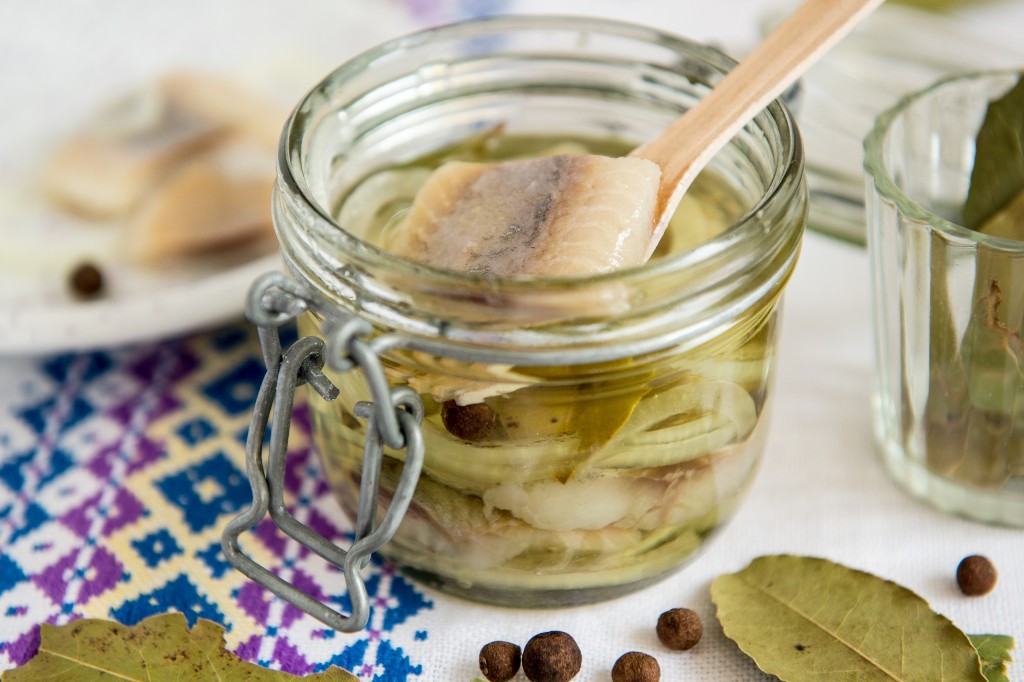
Herrings, photo: Anna Włodarczyk
As a proposition for meals in March, Varsovian Lucyna Ćwierczakiewiczowa wrote: Lent ususally falls on this month and next, so I will provide instructions for fasting lunches three times a week. This quote comes from a cookbook published in 1860—and the author is now considered one of the founders of Warsaw’s culinary heritage. This year, the pre-Easter Lent runs from March 5 to April 17, and is a great opportunity to see how traditional Lenten dishes are interpreted today. In addition, until April 17, you can enjoy the temporary exhibition ‘For Here and To Go. Warsaw’s Cuisine’ at the Museum of Warsaw (Old Town Square 28–42).
'For Here and To Go. Warsaw's Cuisine' exhibition at the Museum of Warsaw, photo: Tomasz Kaczor, courtesy of Museum of Warsaw
Easter for those looking for local flavours
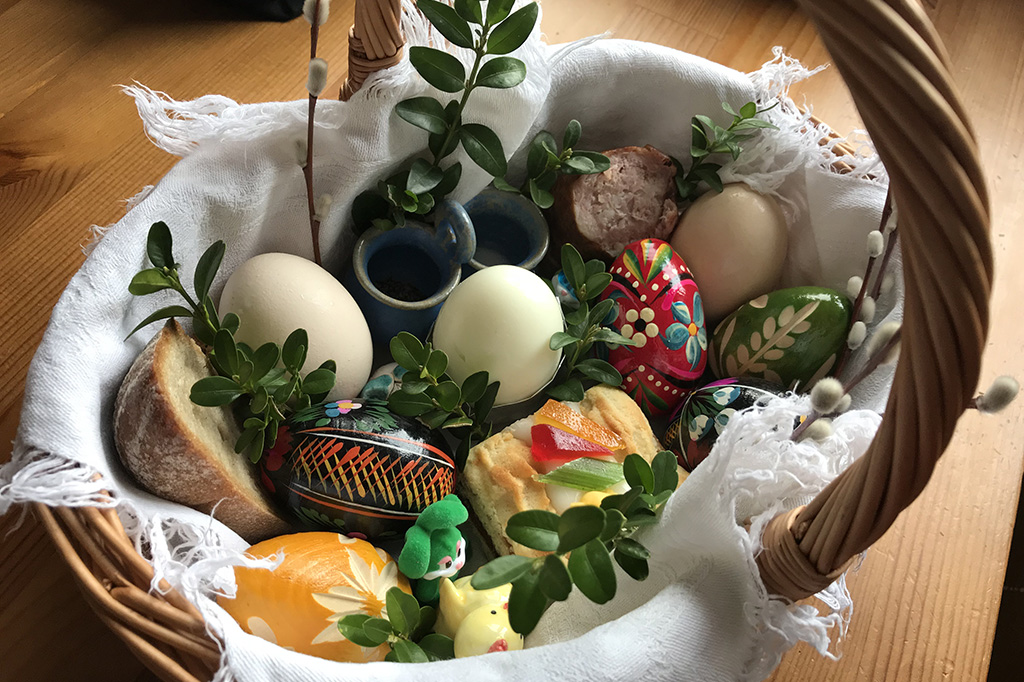
According to Catholic tradition, Lent is not broken until the Easter breakfast, which is served on Easter Sunday (this year on April 20). Then cold cuts of roasted and smoked meats, jellied meats, and boiled egg dishes will appear on tables. At Easter, żurek is also cooked (with added cold cuts and boiled eggs for the holiday season). In restaurants and ever more frequently at home, this soup is served in bread specially baked in the form of small loaves or pots. Interestingly, butter or sugar are also used to form figurines in the shape of lambs as decorations. On Holy Saturday (this year on April 19), they are placed together with pisanki (specially decorated eggs) in small baskets in which food is taken to churches to be blessed. Today, the baskets are symbolic. In the old days, however, it was believed that all the food to be eaten should be blessed. So it happened that priests visited the wealthiest parishioners in their homes and blessed the tables set for Easter.
Easter basket, photo: Iwona Gmyrek
There is no shortage of cakes among the Easter dishes. For this occasion, cakes and babki drożdżowe (yeast cakes) are baked especially along with mazurkas—Easter cakes with a filling of dried fruit, dulce de leche or chocolate on a thin, shortcrust base, often glazed and decorated with nuts and candied fruit. It is not known exactly when mazurkas first appeared. Probably, this sweet and fragrant cake came to Poland from the south-east, maybe from Turkey? It is certain that its name refers to Mazovia, the province Warsaw is in. The word ‘mazur‘ once meant ‘a resident of Mazovia’, so mazurka is simply ‘Mazurian cake’. It is therefore a sweet contribution of our region to Polish culinary traditions.
Caramel mazurka, Stary Dom Restaurant, photo: Łukasz Kopeć
Preparing a traditional Easter is a logistical feat. In the past, preparations started many weeks before the holidays in order to make sausages and hams, bake dough, and decorate Easter eggs. Today, the task is made easy by the wide array of patisseries, bakeries, delicatessens and markets. So you can look for and taste Easter flavours long before Easter.
Author: Agnieszka Kuś, Warsaw guide
Food market at Hala Mirowska, photo: Filip Kwiatkowski
For more tips on how to visit Warsaw sign up for our newsletter and stay up to date!