

Sweet Carnival in Warsaw
“Do you not understand that it is possible to create lyrical doughnuts, cream puff-ballads, eclair-poems, petit four-epigrams, cream horns like sonnets, verse-cookies and cream cupcakes with the poetic nature of romantic stanzas?”—this question is posed by confectioner Fryderyk Kompot, the protagonist of Leopold Tyrmand’s novel entitled The Man with the White Eyes (Zły in Polish). This detective story, set in Warsaw, was published in 1955 (English translation in 1959) and today enjoys the status of a cult book among people interested in the history of the Polish capital. The 2025 Carnival (Shrovetide) is the perfect opportunity to check if the novel’s patissier was exaggerating or whether Warsaw cakes can really taste like poetry.
Café or patisserie?
Warsaw past and present is a paradise for those with a sweet tooth. Poland’s confectionery traditions are as rich and diverse as France’s. How does a café differ from a patisserie? These days, in many cases, the name is decided by the owners. However, the Warsaw cafés of old did not produce their own cakes. Meanwhile, enterprising pastry makers put tables in their premises and started serving drinks. At the same time, they made ‘take-away’ sales available for individual customers as well as for cafés and restaurants.
The first place serving coffee in Warsaw was opened in 1724. Since then, successive generations of Varsovians have talked about politics, culture and art over coffee and cookies (or savoury snacks), shared gossip, arranged dates and… read and worked—the tables used to be strewn with newspapers while today they hold computers and phones.
“I would have liked to have been at U Kopciuszka in order to hear the debates that must have taken place concerning my person” —Fryderyk Chopin wrote after his first concert at the National Theatre. The café ‘U Kopciuszka’, popular at the beginning of the 19th century, traded on Długa Street. There is no trace of it today, but rankings can easily be found online of Warsaw cafés and cake shops that proudly and deliciously continue local confectionery traditions.
Faworki (angel wings) like... the bark of the tree of paradise
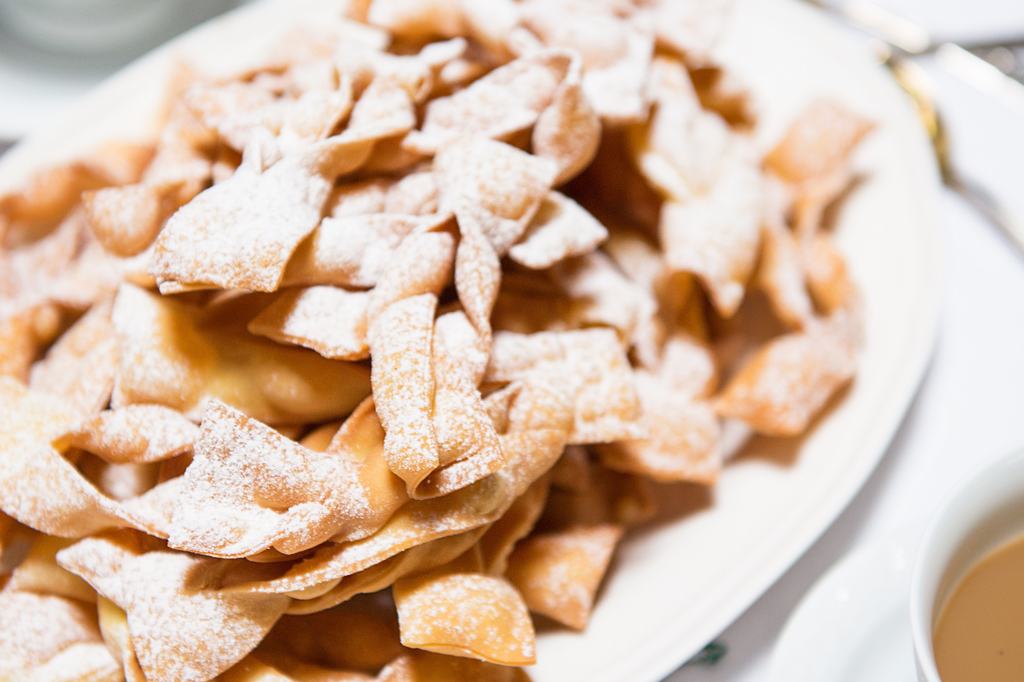
The start of the Church calendar is Carnival—a time of winter fun, parties and masquerades. According to Catholic tradition, it runs from Epiphany (January 6) to the Tuesday before Ash Wednesday, which this year falls on March 5. In Warsaw homes and pastry shops at this time of year, faworki are fried—crunchy and very sweet bows made from beaten dough, which, after being kneaded, have to be literally hit with a rolling pin on the counter top. Patisseries use special machines for this.
Faworki are also popular in other European countries: Germany, Austria, France, Italy, and Lithuania. But the oldest Polish recipes for cakes made from beaten dough come from the 19th century. In the past, not only were today’s popular bows made from it, but also so-called carnival roses.
Was their taste worthy of poetry? Wojciech Herbaczyński, a Warsaw pâtissier whose career started before World War II, recalls that faworki from the ‘Ziemiańska’ pastry shop, well known in the interwar period, had the crispness of “bark from the tree of paradise”.
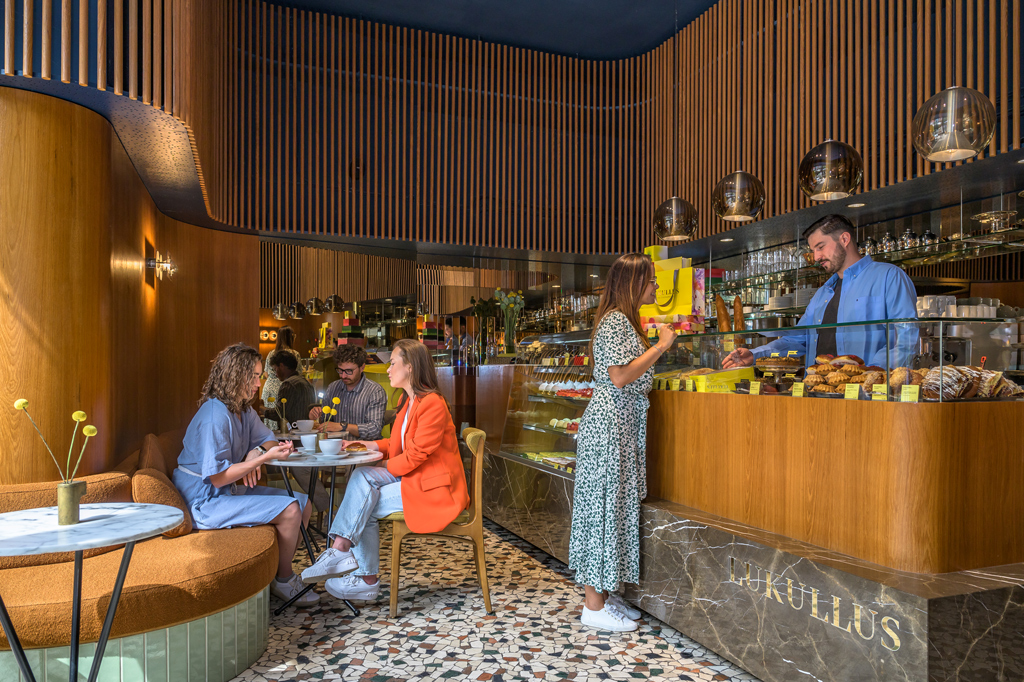
It is worth mentioning that Carnival bows are also called chrust or chruściki in Poland, because the treats look like small twigs collected for firewood. However, contemporary Warsaw confectioners Albert Judycki and Jacek Malarski, who together with Rafał Zarzycki and the staff of the Lukullus patisserie published a guide in 2022 entitled ‘Lukullus. New Pastry-making’, warn against treating these two names synonymously. According to them, chrusts should be more brittle!
Doughnuts so light the wind would blow them off the plater
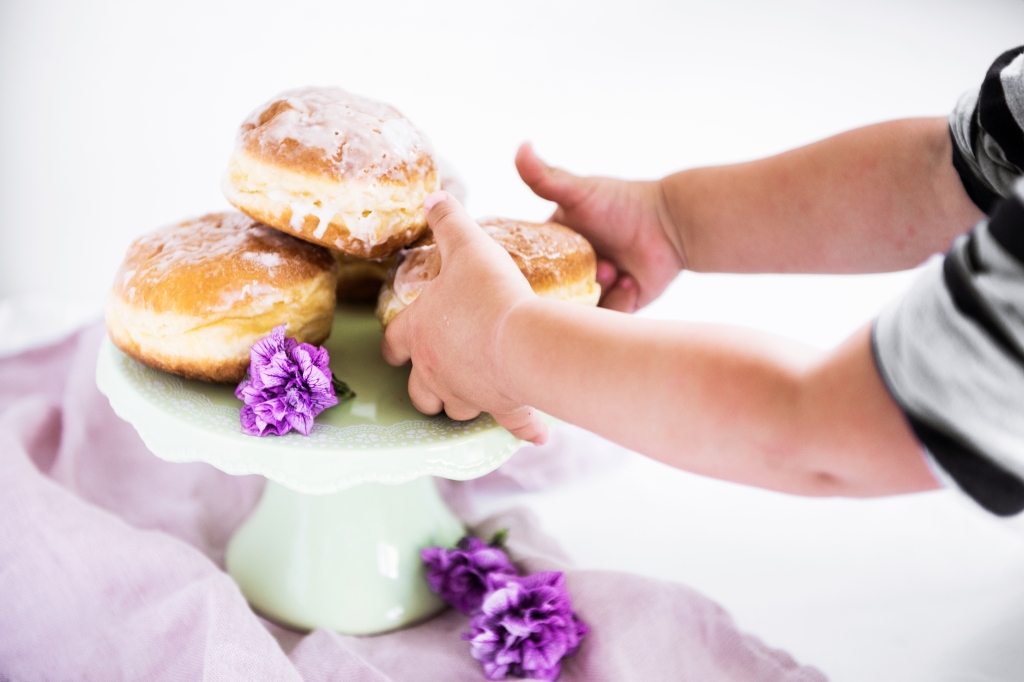
“An old-fashioned doughnut hit in the eye could undercut it, today a doughnut is so plump, so light, that squeezing it in your hand it stretches again and swells to its volume, and the wind would blow it off the platter.”—wrote Jędrzej Kitowicz, an 18th-century writer who described how customs, cuisine and… doughnut dough had changed during his time.
For centuries, fried and sweetened or seasoned dough was a festive food: Christians ate doughnuts during Carnival and Jews fried them for Hanukkah. Today, doughnuts filled with rose-petal jam are among the most popular Warsaw delicacies and can be enjoyed all year round. What’s more, Varsovians have their favourite place to buy them in the city: a patisserie, bakery, or local grocery store.
Doughnuts are also fried at home using time-honoured recipes, according to which the filling is wrapped in raw dough, not put into the doughnut after it has been fried. But it must be admitted that traditional ways have undergone some modifications—in the past, pork lard was used for frying in Christian homes, while today vegetable oil is commonly used instead.
Fat Thursday—Doughnut Day!
However, there is one day of the year when buying doughnuts in Warsaw needs to be planned in advance. This is Fat Thursday, the last Thursday before the end of Carnival, which this year falls on February 27. Traditionally it was a day for overeating. On this day, Warsaw’s most popular patisseries draw crowds, so it is worth arriving early in the morning or preparing for a long queue. Fortunately, some places allow you to order doughnuts in advance, so it’s a good idea to check their websites or social media pages.
In addition, some bakeries make special doughnuts—just for Fat Thursday. Last year, a sensation was caused by a doughnut covered in edible 24-carat gold and filled with a mixture based on Italian mascarpone cheese with the addition of the world’s most expensive spice—saffron… Its size (three times that of a standard doughnut) and price were also impressive. What have pastry chefs cooked up this year? We’ll find out at the end of February.

From the cafe to… the museum!
The heritage of Warsaw patisseries is not only about the taste of cakes, but also the elegance and refinement of the interiors and furnishing. Platters, trays and cutlery made by Warsaw silversmiths and plating factories once served cake lovers but today adorn the collections of Warsaw museums. You can see this for yourself by visiting: the Room of Silverware and Plated Silverware at the Museum of Warsaw (Old Town Square 28–42), the museum exhibition at Norblin Factory (Fabryka Norblina—ul. Żelazna 51/53), and a temporary exhibition entitled Unusual everyday items. 200 years of silver plating in Poland’ at the Museum of King Jan III’s Palace in Wilanów (exhibition open until August 3, 2025, on the museum’s opening days and hours). What’s more, a milk jug and spoon from the ‘Ziemiańska’ patisserie, where the most famous interwar poets used to meet, have found their way into the permanent exhibition of the POLIN Museum of the History of Polish Jews.
Author: Agnieszka Kuś, Warsaw guide

For more tips on how to visit Warsaw sign up for our newsletter and stay up to date!
* By clicking the ‘Subscribe’ button you consent to receiving the newsletter from us and accept the Regulations of the ‘Newsletter’ service. We will process your e-mail address for the purpose of sending you the newsletter. The administrator of your personal data is the Warsaw Tourism Office. More information on the privacy policy and cookies policy and clause concerning the processing of personal data.