

Andrzej Wajda's Warsaw − a walk around the capital on the 100th anniversary of the director's birth
The year 2026 was declared by the Polish Senate the Year of Andrzej Wajda to mark the birth centenary of the director who shaped Polish cinema and Polish sensitivity like few others. Though he came from the northeastern city of Suwałki and lived in Kraków during the early years of his studies, the renowned director spent a large part of his life in Warsaw. Perhaps it was knowing the city so well that enabled him to film it like someone familiar with every street, not from maps but from walks, and to shoot scenes from the lives of his characters against that backdrop with such natural ease. Maybe a walk in the footsteps of Andrzej Wajda − of his life and films − will be a good excuse to discover the Oscar winner’s works?
Żoliborz − a lifelong haven and place of inspiration
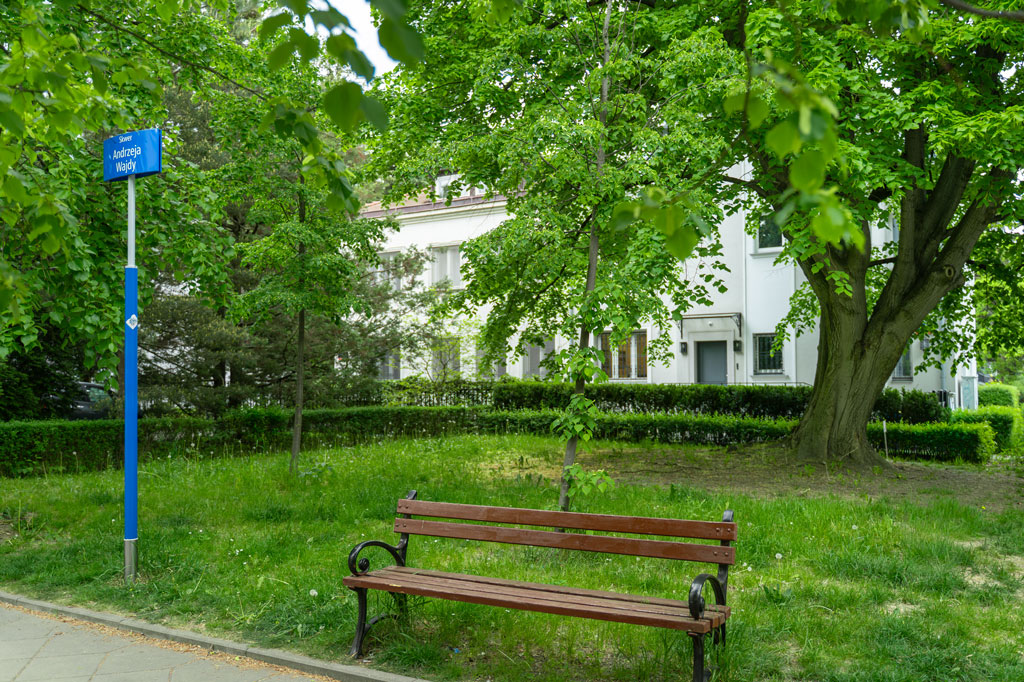
Andrzej Wajda spent over 40 years of his life in Warsaw’s northern Żoliborz district, a neighbourhood that drew many people from artistic circles in the second half of the 20th century. The director and his wife, Krystyna Zachwatowicz-Wajda, lived in a villa in a particularly picturesque part of the district, known as Żoliborz Oficerski −a great place to start exploring Warsaw in the footsteps of Andrzej Wajda.
The villas in this area were once inhabited by Polish army officers, including the legendary generals Władysław Anders and Józef Haller − hence its name today. The neighbourhood was built in line with the concept of a garden city, so when walking around it you will see only low-rise buildings (single-family and small houses, often beautifully covered with ivy), as well as plenty of greenery and public squares. Wajda himself stressed during his lifetime how important to him the area’s greenery was, as well as the trees around his house at ul. Hauke-Bosaka 14. Today, one of the squares in Żoliborz Oficerski, at the intersection of Hauke-Bosaka and Śmiała streets, is named after the Oscar-winning director.
The Warsaw Citadel − more than just a place of remembrance
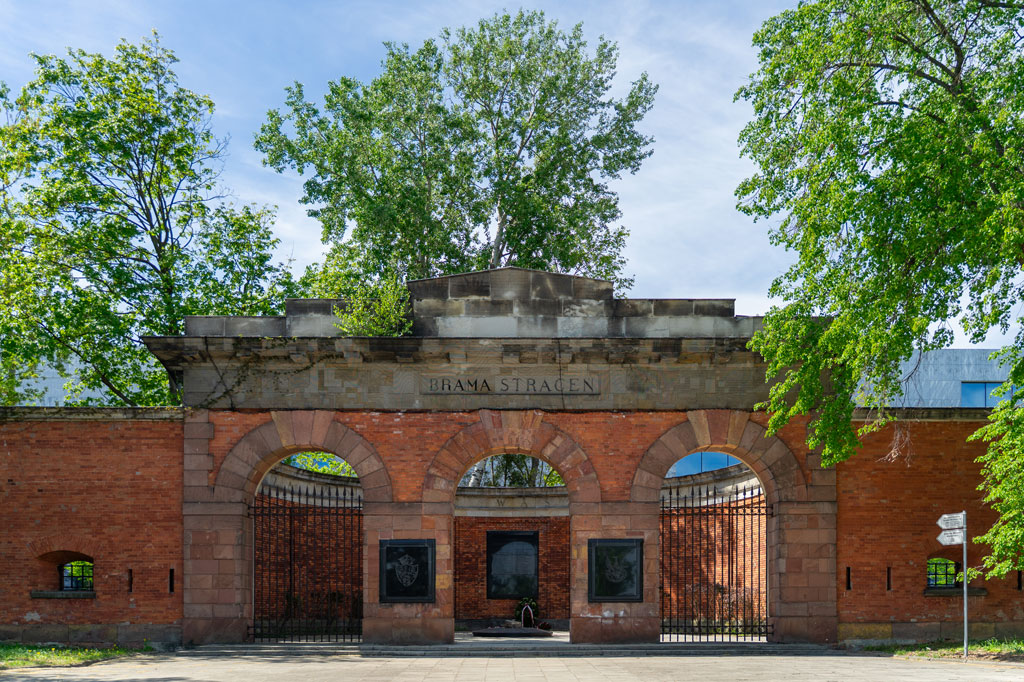
Not far from Andrzej Wajda’s house, also in the Żoliborz district, stands the Warsaw Citadel. This 19th-century fortress, inaccessible to civilians for decades, today houses several museums, including the Katyń Museum, the Polish Army Museum, and the award-winning Polish History Museum.
The site is also worth visiting in relation to Andrzej Wajda and his works. It was here that some scenes were shot for the 2007 film Katyń − one of the director’s last works. The Katyń Massacre held personal meaning for Wajda as his father − Jakub Wajda − was one of the war crime’s victims. The film commemorating the massacre was intended not only to relate a chapter of history that had remained untold for decades, but also as a tribute to his father.
Innocent Sorcerers − a walk around the Warsaw of the 1950s
One of Andrzej Wajda’s most ‘Warsaw’ movies is Innocent Sorcerers (1960), and in terms of the number of scenes actually shot in Warsaw, Innocent Sorcerers eclipses even Kanał (Canal, 1957). The film starring a young Tadeusz Łomnicki in the lead role was theoretically apolitical but aroused more controversy among the authorities of the time than his film about the Home Army. Innocent Sorcerers is a magnetic portrait of the young generation of the 1950s − exploring the new possibilities of the country after the post-Stalinist ‘Thaw’, the freedom of jazz music, and rather vague and superficial romantic relationships.
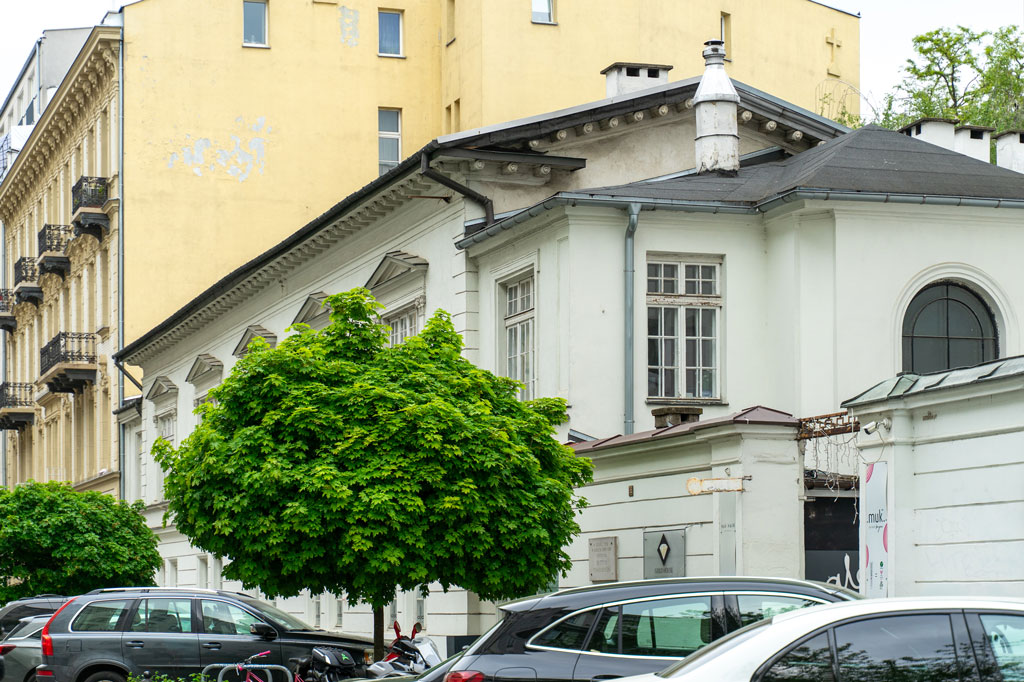
Warsaw is almost tangible in this film. The movie was shot in the summer of 1959 at several iconic locations that make good visiting points along a one-hour walk with the film as a theme. The stroll could start at Constitution Square (Plac Konstytucji), which serves as the setting for the opening of Innocent Sorcerers. Immersing yourself in the socialist realist architecture of the square, which was completed in the 1950s, you can walk along Mokotowska Street towards the legendary Hybrydy student club (ul. Mokotowska 48). It was there that some of the scenes from the cultural and social life of the Wajda’s protagonists were shot. The Hybrydy club was a symbol of freedom in the Thaw years and a meeting place for young people and artists until 1973, when it was closed due to noise complaints from local residents. However, you can still admire the historic tenement building that was once a real home of jazz music.
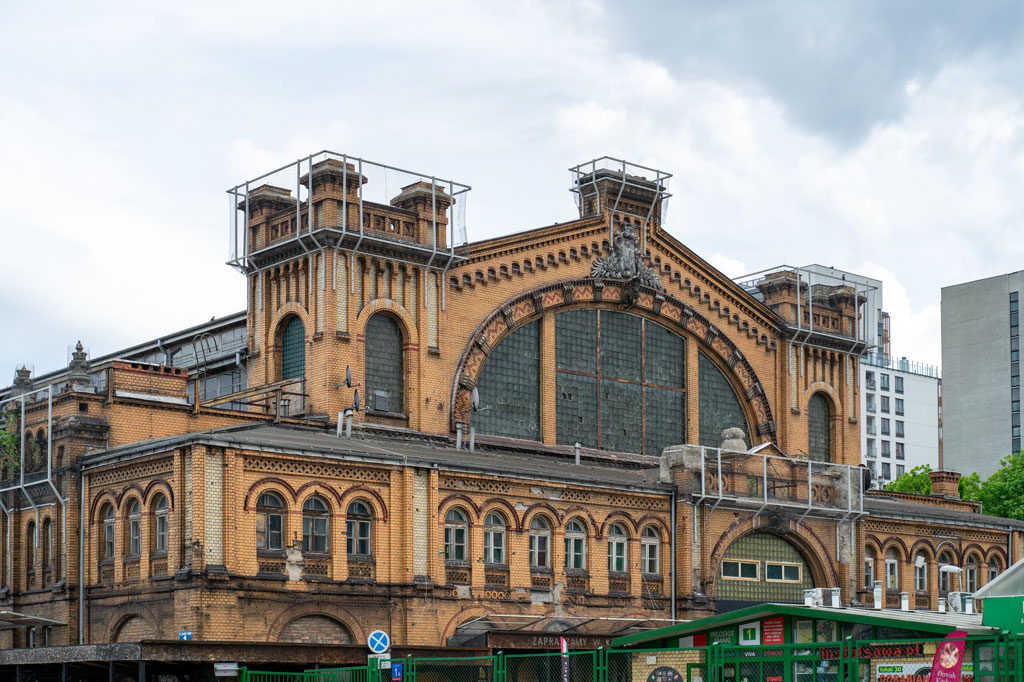
From Mokotowska, head towards Mirowski Square (Plac Mirowski) on the boundary of the Śródmieście and Wola districts. It was in the Guards’ Hall (Hala Gwardii) on the square that the scenes were shot of boxing matches that depicted the daily reality of Basil, the main protagonist of Innocent Sorcerers. The name of the hall comes from the ‘Gwardia’ Militia Sports Club, which had its headquarters there from 1953 until the 1990s. The hall was the real sports heart of Warsaw, especially in the 1950s and 1960s − not only were famous boxing bouts held here, but also basketball games and tennis matches. Following the political transformation, the Guards’ Hall served commercial purposes, and in recent years has become one of Warsaw’s several food halls. Although right now the hall is closed to visitors due to the historic building’s ongoing renovation, you can go to the open, market portion of Mirowska Hall (Hala Mirowska) to feel the atmosphere of the architecture Andrzej Wajda immortalised in the film.
Wajda's war-themed films in the Warsaw landscape
Before Wajda made Innocent Sorcerers, he made a film that shook Europe. The aforementioned Kanał is a story inspired by the events of the last days of the Warsaw Uprising in the Mokotów district and the attempt to evacuate troops to Śródmieście through underground sewers. The film, which was smuggled out to the Cannes Film Festival, won the Silver Palm there jointly with Bergman’s Seventh Seal.
The sewers through which Wajda ‘s heroes passed were not fictional: Warsaw’s sewage system, designed in the 19th century by engineer William Lindley, became an evacuation route for thousands of insurgents during the Uprising. The tragic epilogue to the September 1944 Mokotów evacuation took place on Dworkowa Street, where the insurgents coming out of the sewers found themselves right at the enemy’s position. Not far from the historic manhole, in Morskie Oko Park, today stands the Baszta Soldiers Memorial commemorating this tragic evacuation.
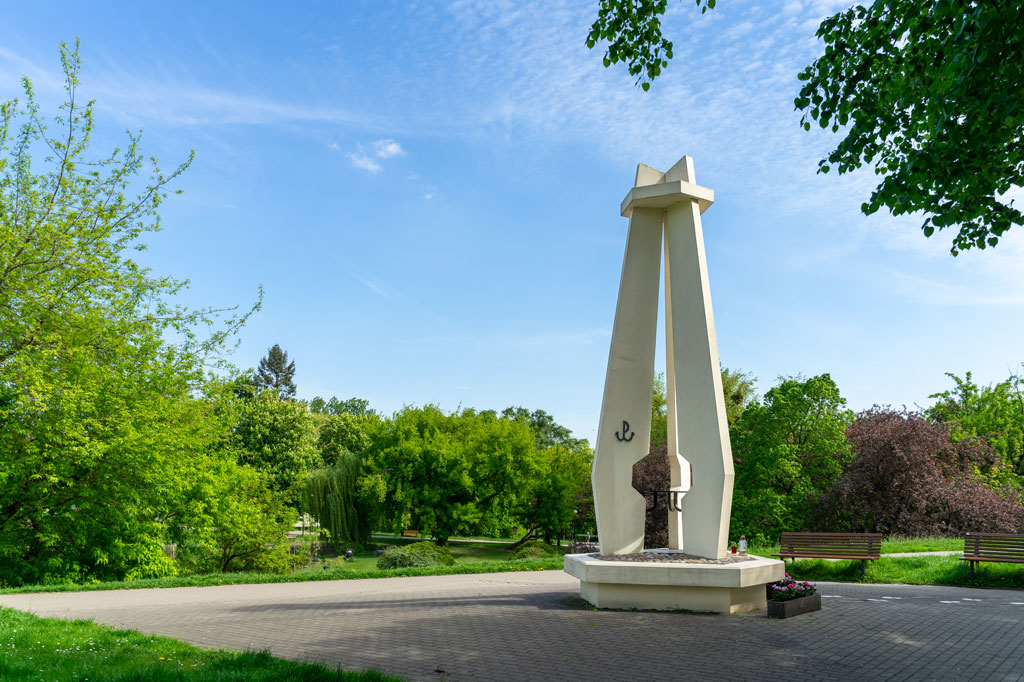
Unfortunately, the underground scenes in Kanał could not be filmed in actual Warsaw sewers due to technical difficulties − the crew had to recreate the setting in a film studio in Łódź. However, despite only a few real post-war ruins remaining in 1956, the outdoor scenes were shot mostly in Warsaw, including in the Mokotów district (on Dolna and Śniegocka streets).
Meanwhile, some of the scenes for Wajda’s debut war film were shot in Warsaw’s Praga district. A Generation (1954), set in Warsaw during the Nazi German occupation, was partially filmed on Mała and Stalowa streets among other locations. Although you will not see the tenement house with the legendary staircase on which one of the film’s most dramatic scenes plays out, the streets have preserved the unique atmosphere of old Warsaw to this day. It is well worth taking a leisurely stroll around this area (including Ząbkowska, Brzeska and Środkowa streets), because Old Praga has many times served (and still does today) many directors as the setting for their films, especially historical ones.
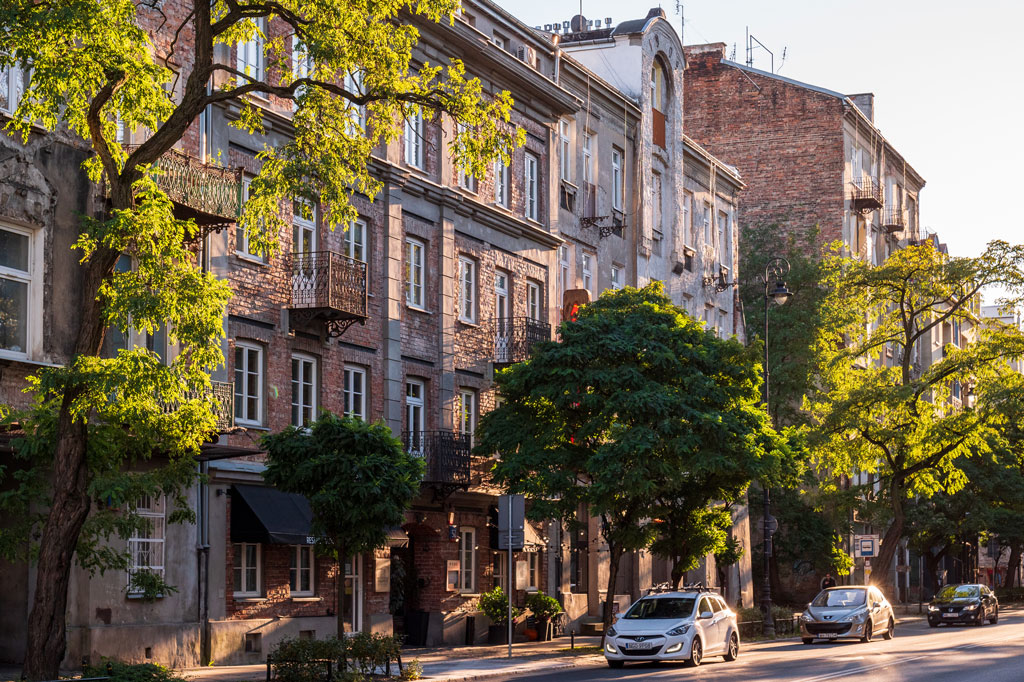
Warsaw appears many more times in Wajda’s oeuvre. As you explore the capital, some locations will be familiar from films including The Conductor (1980), Man of Marble (1977), Hunting Flies (1969), and even Pan Tadeusz (1999). By making films set in Warsaw, Andrzej Wajda left a lasting mark on the city’s history. Let the anniversary year of 2026 provide a golden opportunity to take a walk celebrating the work of one of Poland’s most important directors and, at the same time, discover Warsaw anew.
Author: Iga Skolimowska − theatre scholar, Warsaw resident, and author of tourist guides for young people

For more tips on how to visit Warsaw sign up for our newsletter and stay up to date!
* By clicking the ‘Subscribe’ button you consent to receiving the newsletter from us and accept the Regulations of the ‘Newsletter’ service. We will process your e-mail address for the purpose of sending you the newsletter. The administrator of your personal data is the Warsaw Tourism Office. More information on the privacy policy and cookies policy and clause concerning the processing of personal data.