

Eat like Fryderyk Chopin
Fryderyk Chopin. Brilliant composer, piano virtuoso, Polish cultural icon. His music touches millions of hearts around the world, which is evidenced by the emotions of international audiences and artists taking part in the International Chopin Piano Competition. On October 2, 2025, the 19th edition of this musical festival will begin! This year is also an interesting time for lovers of the culinary arts! To celebrate the competition, well-known Warsaw restaurants and hotels have created special desserts inspired by Chopin’s music, his favourite flavours, and 19th century culinary fashion.
Culinary memories of Chopin
Sampling these contemporary confectionery creations will provide an added dimension to the downtime between concerts while also shedding light on the biography of a piano virtuoso living two hundred years ago. Fryderyk Chopin died at just 39 years of age and historical records show he required constant medical care from childhood. Was food more than a mere necessity for such a poorly person?
Friends remembered him as a humorous person who was able to enjoy life as much as his health would allow at any given time. Their recollections contain stories of evenings spent in the most fashionable restaurants in Paris with oysters and champagne! And Fryderyk himself would choose the menus for these rendezvous.
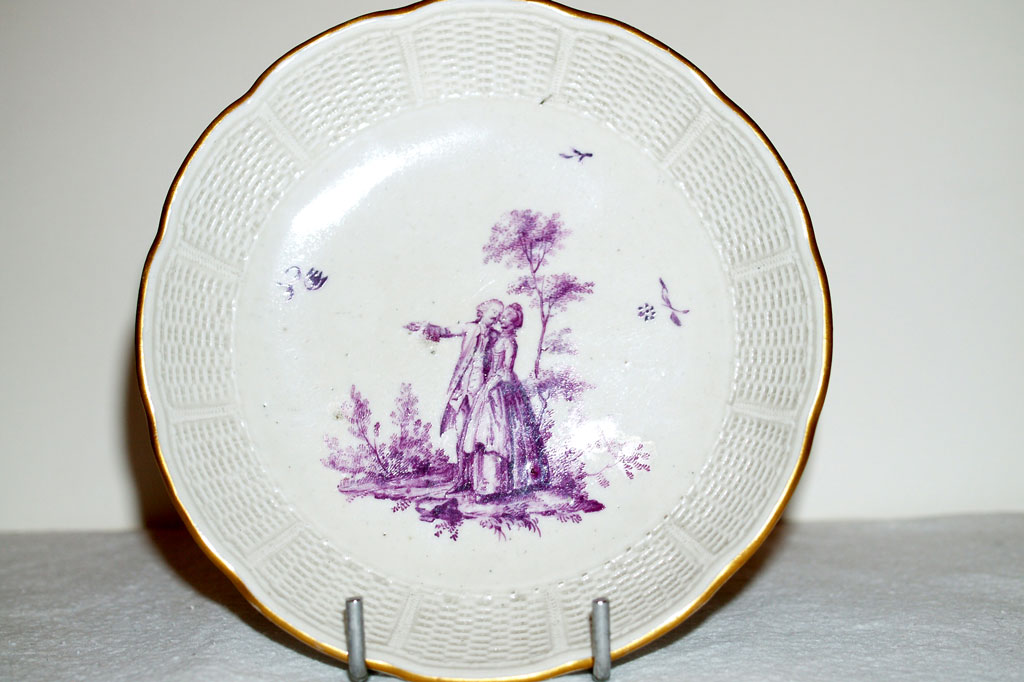
The composer was a great chocolate enthusiast—and his friends and students knew it. At Warsaw’s Fryderyk Chopin Museum, you can see the saucer for the elegant porcelain cup from which the composer drank this drink at the Paris home of the princely Czartoryski family. The museum’s collection also includes another sentimental culinary souvenir of the great Pole—a charming cardboard candy box covered in colourful paper featuring a picture of a kitten at play.
Fryderyk Chopin’s culinary selections reflect more than just his frail health. When choosing food, he was guided bioth by fashion an by his sophisticated taste. Furthermore, the composer would share thing that took his fancy. For example, he sent gingerbread from Toruń to his family during the summer of 1825 because he liked it so much.
Letters full of flavour
So what did Fryderyk Chopin eat? You can see for youself by reading his letters, available in Polish and English, on the Fryderyk Chopin Institute website. From his childhood and early youth, his diet was closely connected with his treatment. For his ailments, an easily digestible diet was recommended, with no fatty meat (especially pork) but with milk and dairy products. The composer himself wrote that good quality whey and fresh mountain air helped him during his stay at the Duszniki health resort in the summer of 1826—he was sixteen at the time. When he could not get fresh cow’s milk during his stay in Mallorca, he considered it a great misfortune. It was then that Georges Sand, who accompanied him to the island, bought a goat and a sheep. She enriched their milk with homemade almond milk, which she considered a great and tasty remedy for the ever weaker Chopin.

Gourmet patient
Wine was also used medicinally. Chopin drank red wine partly on the advice of his father, who believed it strengthened the body and “produced blood”. The composer liked red Bordeaux, and also wrote about white and sweet Tokaji wines, as well as German Rieslings. As a child, he was given oatmeal gruel due to his “weak stomach”. And the treatments were often supplemented with acorn coffee—he mentions this infusion in letters to his family in Warsaw from his holidays in the village of Szafarnia. In Mallorca, on the other hand, he drank a herbal remedy for respiratory infections, which was an infusion of violets.
Fryderyk Chopin was mindful of his health and did his best to look after himself. Nevertheless, he sometimes ignored medical advice, like when in the summer of 1824 he became enchanted with rye bread from the village of Szafarnia and asked by letter for permission to eat it. The resolute fourteen-year-old wrote to his mother, rationally challenging his doctor’s opinion: Gerardot didn’t allow me to eat rye bread, but it only applied to the bread from Warsaw, not from the countryside. He didn’t allow me to eat it because it was sour, but the one from Szafarnia doesn’t have any sour flavour. One is dark, the other is light. One is coarse-grained, and the other is made from great grains, and finally the bread from Szafarnia would satisfy Gerardot and if he tasted it, he would allow me to eat it as there is a rule that doctors must allow the patients to eat what they like to eat themselves.

Chopin's culinary Warsaw
Have you ever considered a culinary walk around Warsaw in Chopin’s footsteps? Desserts inspired by Chopin’s music are a great way to reminisce about the great artist and his frailties over coffee and a pastry. Another way to immerse yourself in the world of flavours that delighted the master is… a culinary stop at any Warsaw bakery! Every day you can choose between rye breads (which Chopin was not supposed to eat) and wheat rolls (which the composer was fed). You can add white cheese or twaróg to the bread—it is a popular breakfast that would certainly have pleased Fryderyk Chopin.
During a culinary walk in the footsteps of Fryderyk Chopin, it is worth looking out for herbal infusions. This is not at all difficult, because many Warsaw tea and coffee shops offer teas flavoured with flowers and fruits, and even herbal blends. And the cafés that the composer himself used to visit? The sites of popular venues of early 19th century Warsaw are marked by the musical Chopin benches dotted around the city’s historical centre.
Author: Agnieszka Kuś, Warsaw guide

For more tips on how to visit Warsaw sign up for our newsletter and stay up to date!
* By clicking the ‘Subscribe’ button you consent to receiving the newsletter from us and accept the Regulations of the ‘Newsletter’ service. We will process your e-mail address for the purpose of sending you the newsletter. The administrator of your personal data is the Warsaw Tourism Office. More information on the privacy policy and cookies policy and clause concerning the processing of personal data.