

Warsaw’s springtime kitchen: breakfast, coffee and a walk by the river
Spring in Warsaw is a special time − not only because the city is slowly waking up to life after winter, but above all because this is the time when Easter falls. This holiday is associated with one of the most celebrated moments in Polish Christian culinary culture: Easter breakfast. And the warmer days are ideal for walks, during which you can encounter intriguing culinary inspirations.
Warsaw Easter breakfast
In Warsaw homes, preparations for Easter breakfast often take several days, and the meal itself, eaten on Easter Sunday morning, is a blend of flavours, symbols and family traditions. Cold dishes take centre stage on festive tables, though in many homes there may also be hot żurek (sour rye soup) with white sausage, egg and vegetables, often enriched with dried mushrooms. Alongside them are eggs in an array of styles (in mayonnaise, with vegetable salad, or stuffed with hot or cold filling), beetroot, bread, roasted meats, cold cuts and pâtés.
Pastries have a special place on festive tables, including mazurka − a shortcrust cake lavishly decorated with nuts, salted caramel or chocolate. It is one of Easter’s culinary symbols. Its name is comes from Mazovia, a historical land whose heart is Warsaw. Tables also feature Easter babkas − tall, yeast-raised cakes that once daunted even the most seasoned housewives. It was believed that a mere draft or raised voice was all it took for the babka to fall and lose its signature airiness.
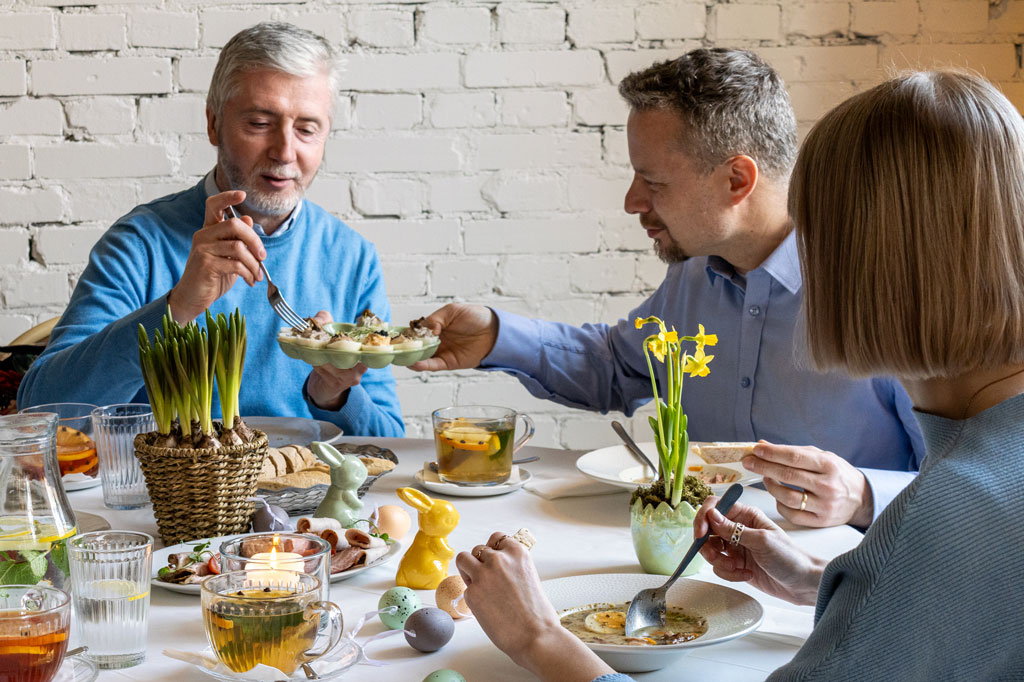
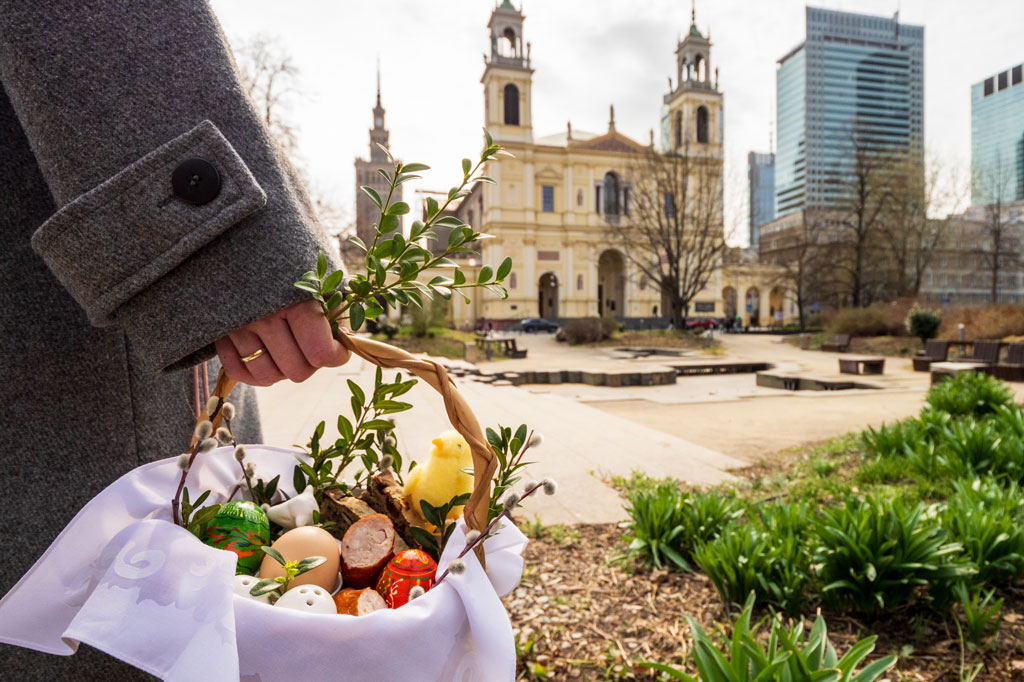
The holiday atmosphere is also heightened by preparations for the Holy Saturday custom of having food blessed. In Warsaw’s churches and on the streets, beautifully decorated baskets can be seen, carried to church by locals of all ages. The baskets contain foods imbued with symbolism: eggs as a sign of new life, bread as the staple of daily life, smoked meats or sausage (abundance), and salt to symbolise purification, as well as a slice of cake. The whole ensemble is topped off with decorative sprigs of boxwood and the preparations − especially decorating the eggs − often involve young children. Today, ready-made dyes are available, but many homes look back to traditional methods: simmering the eggs in onion-skin infusions that give them a warm, reddish-brown colour.
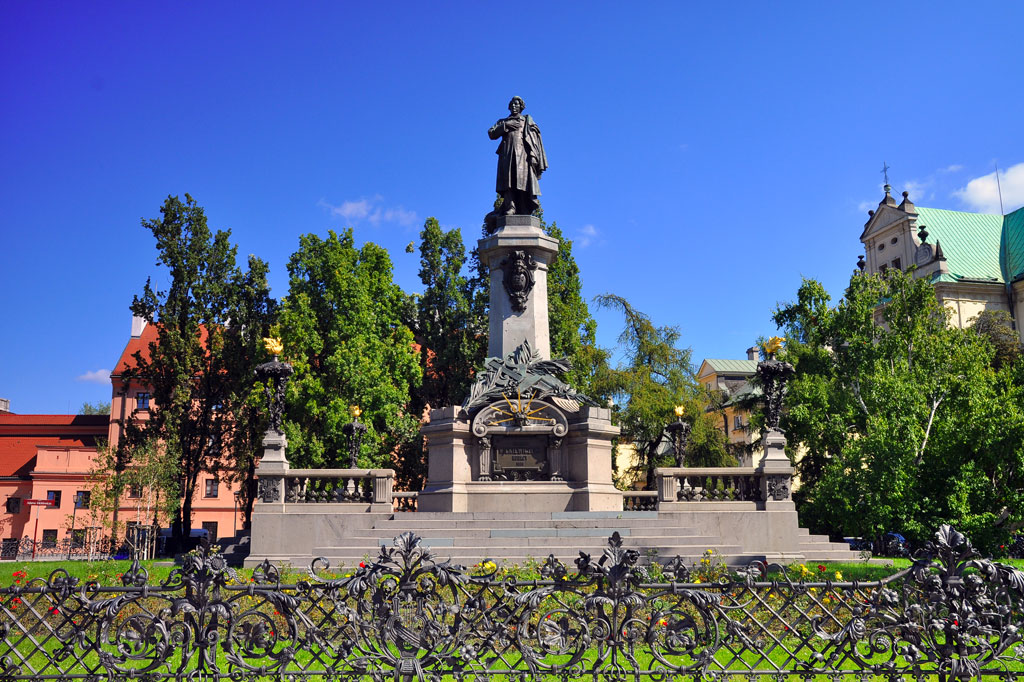
This Easter custom evokes the bygone, ‘old Polish’ breakfasts, which were celebrated in townhouses and stately homes alike. The spirit of these occasions is brought to life in Adam Mickiewicz’s Pan Tadeusz − a national epic that is required reading in Polish schools, serves as a valuable guide to old Polish customs, and is also available in English. The breakfast described in this work was eaten relatively late, around ten or eleven o’clock. The table featured both lighter and more filling dishes. Men tended to favour cured meats − for example, ‘half-geese’ made from goose breast smoked in its skin—and warm roulades were served to finish.
For those who would rather watch the story on screen, a good choice is Andrzej Wajda’s film adaptation. The year 2026 marks the tenth anniversary of this outstanding director’s death, and to commemorate his achievements, exhibitions and events are being held in Warsaw. The film can be found on popular streaming platforms with subtitles in a variety of languages.
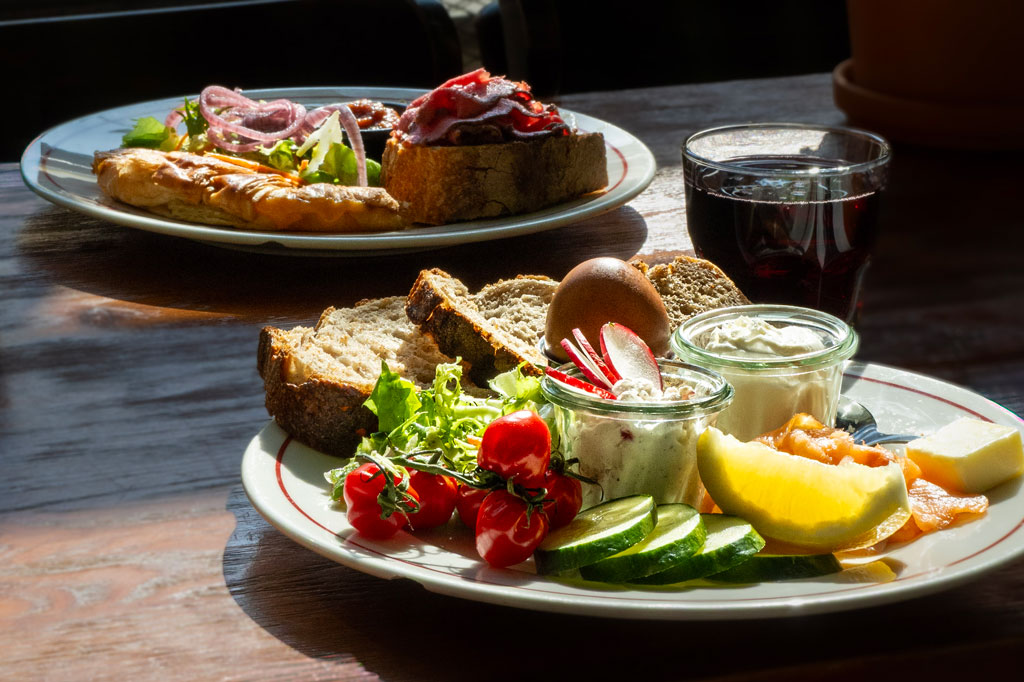
Perhaps the old traditions preserved in the Easter ritual are the reason contemporary Warsaw is so eager to return to the idea of breakfast as a unique part of the day. The popularity of bakeries, cafés and French pâtisseries means the morning meal is not only celebrated at Easter. In swish hotels, you can enjoy rich breakfast buffets, often served late in the morning, especially at the weekend.
But when visiting Warsaw at Easter, it should be borne in mind that it is primarily a family holiday − on Sunday many restaurants and museums are closed, as well as on the afternoon of Holy Saturday. More places do not open until after the holiday, on Monday or Tuesday.
Coffee, Polish style
From reading Pan Tadeusz, it becomes clear that breakfast was not the first meal of the day. First thing in the morning, sometimes even while still in bed, people would drink a cup of hot chocolate or beer soup; a dish almost completely forgotten in the modern age. This old Polish delicacy was made from hot beer, tempered with cream and served with curds of farmer’s cheese. Although it was quite a common feature of the morning menu in the nineteenth and early twentieth centuries, today it would be hard to find somewhere to sample the dish − it has become something of a curiosity at the intersection of culinary history and literature.
Coffee, however, is a different story altogether. In Mickiewicz’s epic, serving it is an entire ritual in itself. In affluent rural mansions, it was prepared by a dedicated servant − a kawiarka, or coffee maid − and the tradition itself was regarded as uniquely Polish. Care was taken to source the highest quality beans, either brought in from the city or purchased from raftsmen on Vistula barges. The perfect coffee was supposed to be “black as coal, transparent as amber, fragrant as mocha, and thick as honey” − a description that still sparks the imagination today. Of equal importance was the cream: fresh, skimmed first thing in the morning, served in separate dishes, and laid gently on top of the drink.
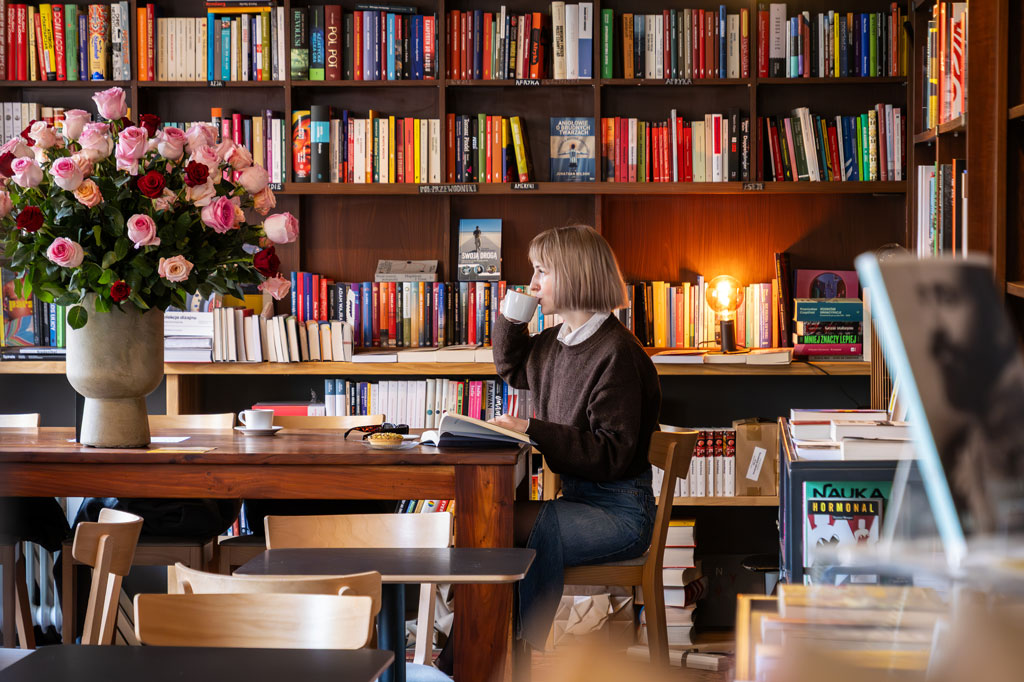
The very act of serving coffee was a ceremony in itself. It was brought to the table in fragrant pots, set on decorative salvers, and sipped from porcelain cups. Coffee was more than a drink; it was an expression of hospitality and attention to detail, as well as one of the elements of daily life that defined the rhythm of the day.
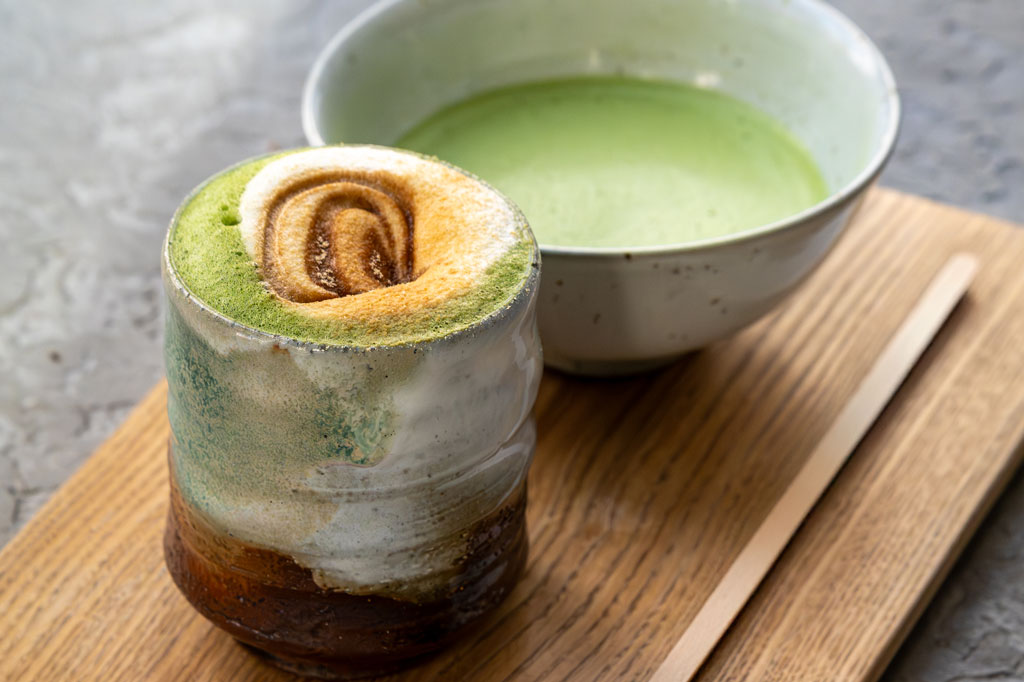
In a sense, modern Warsaw is continuing the tradition − albeit in an entirely different way. Espresso is easy to find in any café today, but coffee serves as a reason to get together and to celebrate the moment, whether with others or alone, so people often opt for longer drinks, lattes, or flavoured varieties. Matcha-based beverages are enjoying ever greater popularity and have become a staple menu item at many trendy establishments.
While tracing the interweaving worlds of coffee and literature, it is worth taking a look at Warsaw’s bookstore cafés − like Wrzenie Świata or Big Book Cafe − as well as cafés located in museums, e.g. the cafés at the Jewish Historical Institute or the House of Meetings with History (Dom Spotkań z Historią). You can also search for your own inspiration in rankings and online maps. They is the best places to see that while the flavours and ways of serving it have changed, coffee still remains one of the most important elements of city life’s daily rhythm.
On the Vistula and fishing
After celebrating long, leisurely Warsaw breakfasts, it’s worth taking a walk. With the first warmer days, the city moves to the Vistula. From the start of spring, locals eagerly await the chance to stroll the boulevards, get on a bike, rollerblades or scooter, and head out along the river. The official start of the season usually falls in May, when the bars and barges moored on the waterfront open, but you can meet people out walking from early March − weather permitting!
While out walking along the boulevards by the Vistula, you can come across an interesting reference to Warsaw cuisine. Among the fountains (near Karowa Street) lie concrete fish − catfish, sturgeon and asp − species that for centuries have been associated with the Vistula River. This is more than a mere peice of urban art; it is a reminder of the integral role the river played in the life of the city, providing sustenance and connecting Warsaw with other regions.
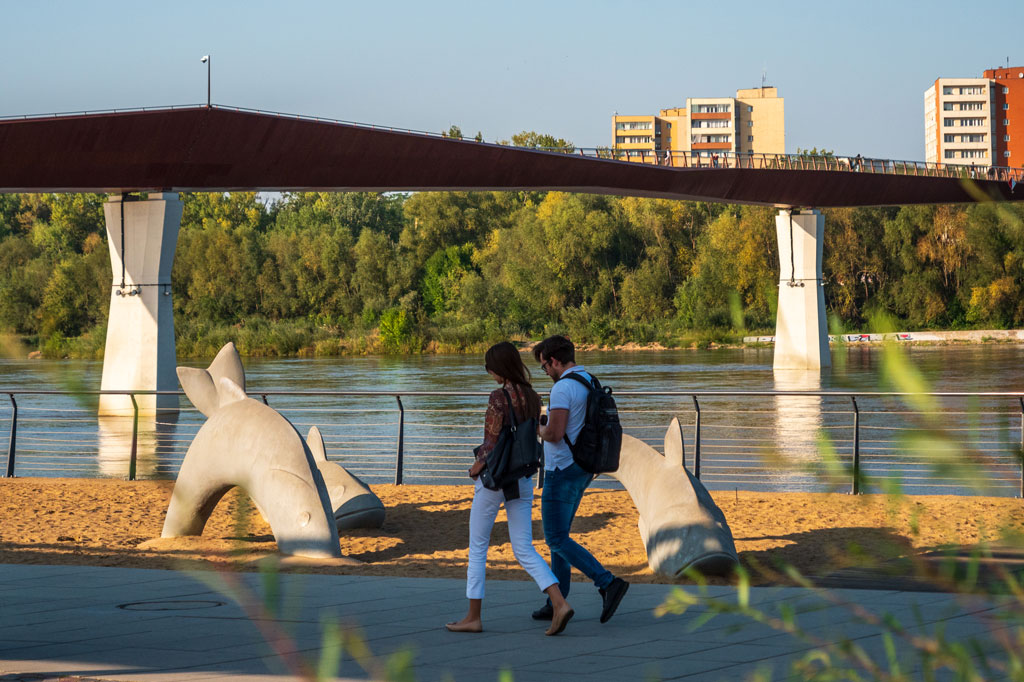
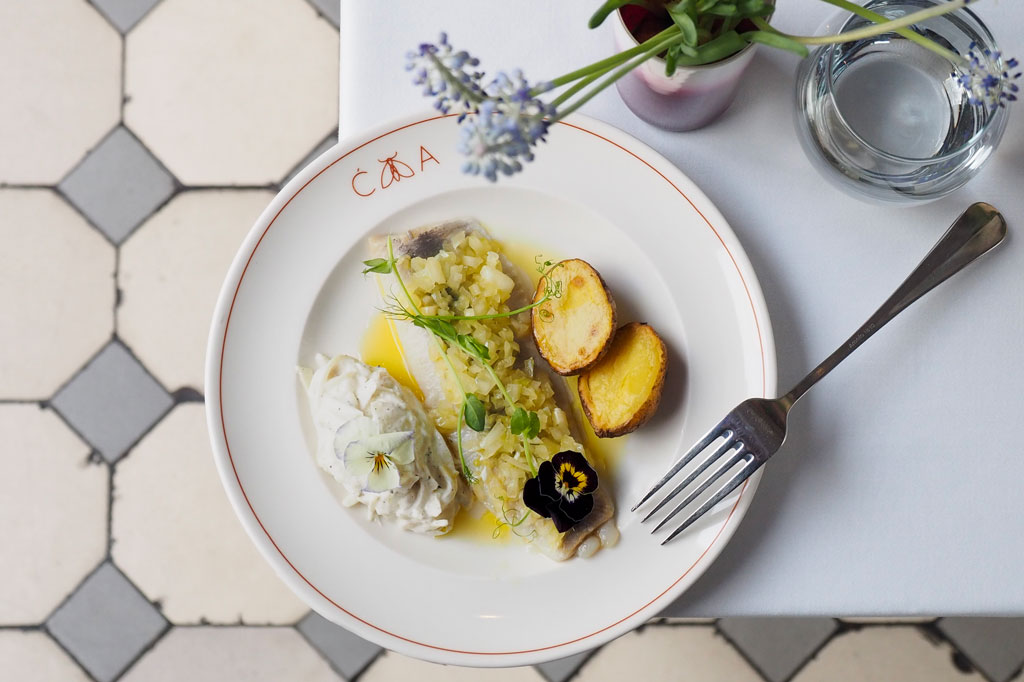
The Vistula was once a real ‘highway’ on which the goods transported included barrels of salted fish from the Baltic Sea − primarily herring, which is still present in Polish cuisine in a multitude of forms today. River fish also found their way onto tables, although they are less popular today.
These days, Warsaw’s taste in fish is rather different. Sturgeons are mostly farmed, but you can still try them in sophisticated Warsaw restaurants. Crayfish are also returning to exclusive menus. Meanwhile, the city’s day-to-day culinary life is best observed at markets − such as Hala Mirowska − where fish stalls are easily identified by the characteristic aroma of… smoking. Smoked fish, next to marinated and fried fish, remains one of the most recognisable flavours blending traditions of the past with the modern rhythm of the city.
So a walk along the Vistula can do more than help you relax after a festive breakfast with coffee − it can also provide inspiration for lunch or dinner!
Author: Agnieszka Kuś, Warsaw guide
For more tips on how to visit Warsaw sign up for our newsletter and stay up to date!
* By clicking the ‘Subscribe’ button you consent to receiving the newsletter from us and accept the Regulations of the ‘Newsletter’ service. We will process your e-mail address for the purpose of sending you the newsletter. The administrator of your personal data is the Warsaw Tourism Office. More information on the privacy policy and cookies policy and clause concerning the processing of personal data.