

The Museum of Warsaw turns 90!
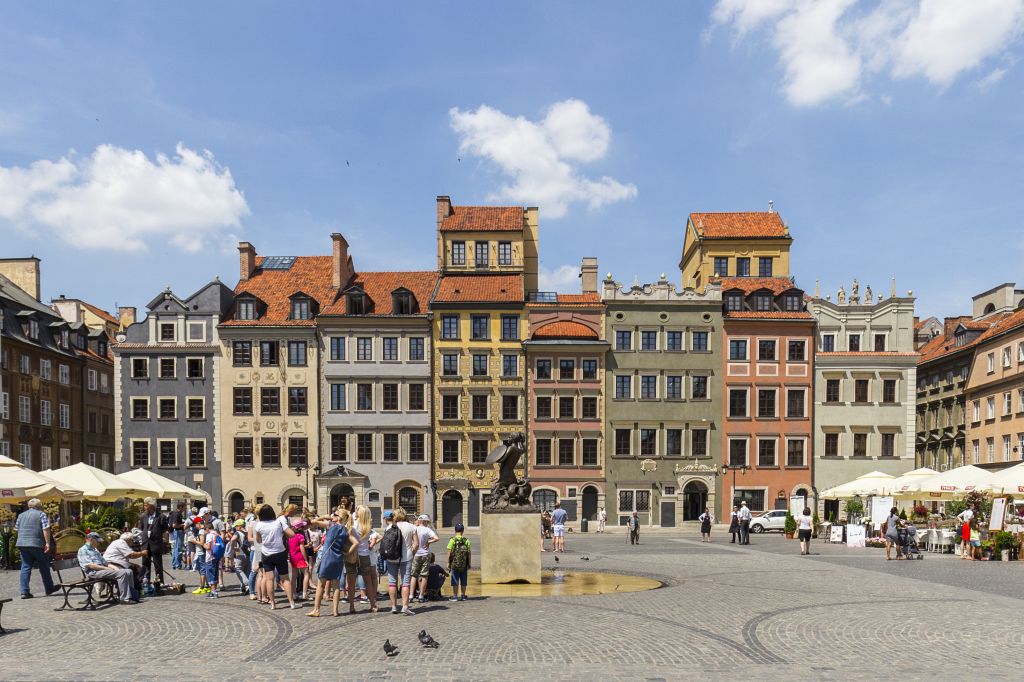
The Museum of Warsaw, founded in 1936, is one of the most important institutions telling the story of the Polish capital. Its main seat is located in 11 historic tennement houses on the Old Town Market Square, which has been a UNESCO World Heritage Site since 1980. The museum’s mission is not only to collect, preserve and curate rich collections related to Warsaw, but also to share them with visitors through permanent and temproary exhibitions, publications, educational workshops, and cultural events. In this way, the museum helps visitors better understand how the city has developed over the centuries, how it has endured through hard times in its history, and how modern Warsaw is taking shape.
The ninetieth year of its history is a special time to visit the Museum of Warsaw and its evocative branches located at various sites across the city, as well as in… the Kampinos Forest. Each site shows Warsaw from a completely different perspective, allowing you to rediscover the city anew, take a fresh look at its history, and feel how the past is intertwined with everyday life here. The anniversary attractions would not be complete without popular favourites that have become permanent fixtures on the capital’s cultural calendar: May will see the museum once again hosting visitors as part of the Night of Museums, in July you are invited to celebrate the Old Town’s 73rd birthday, and in September another Night of Photography will open its doors.
More than the Old Town
The Museum of Warsaw is the heart of the capital’s story. In the historic tenement houses of the museum’s main building on the Old Town Market Square, photographs, documents and films are among the exhibits through which the everyday life of former city residents is revealed along with Warsaw’s dramatic fate in the 20th century. It is not just an exhibition space; it is a place to get together, talk, and learn about the city’s history together. But there is far more to the Museum of Warsaw than the main site on the Old Town Square. It also encompasses the Museum of Praga, the Wola Museum, the Antonina Leśniewska Museum of Pharmacy, the Museum of Printing, the Heritage Interpretation Centre, the Korczakianum, the Palmiry Museum–Memorial Site, and the Hall of Remembrance at the Warsaw Insurgents Cemetery. As a result, the museum’s narrative is polyphonic, has local impact through its roots in various districts, and provides a diverse range of perspectives.

Discover Warsaw by night
The Night of Museums at the Museum of Warsaw is not simply an opportunity to learn about the city’s history but also a chance to spend a memorable time in inspiring settings—history lovers as well as people looking for unusual cultural experiences will all find something here to fire their imaginations. On the night of May 16-17, 2026, the Museum of Warsaw will once again open its doors to visitors, granting access to all 10 branches as well as offering a rich programme of events curated especially for the occasion. This is a great time to discover places usually kept off limits, get to know the capital’s hidden stories, and take part in events that will show you Warsaw in a completely new light.
At the Museum’s Old Town headquarters, visitors will be able to look behind the scenes to see the institution’s inner workings. Office spaces will be made available as well as inner rooms, the historical skylight, and basements hiding a multitude secrets. The whole offer will be topped off woth a walk tracing the history of the Museum itself. Meanwhile, the Wola Museum will invite you to the ‘Warsaw City at night’ nocturnal walk, during which participants will learn about the district’s fascinating transformation: from the once rogue Wola to a modern business centre.
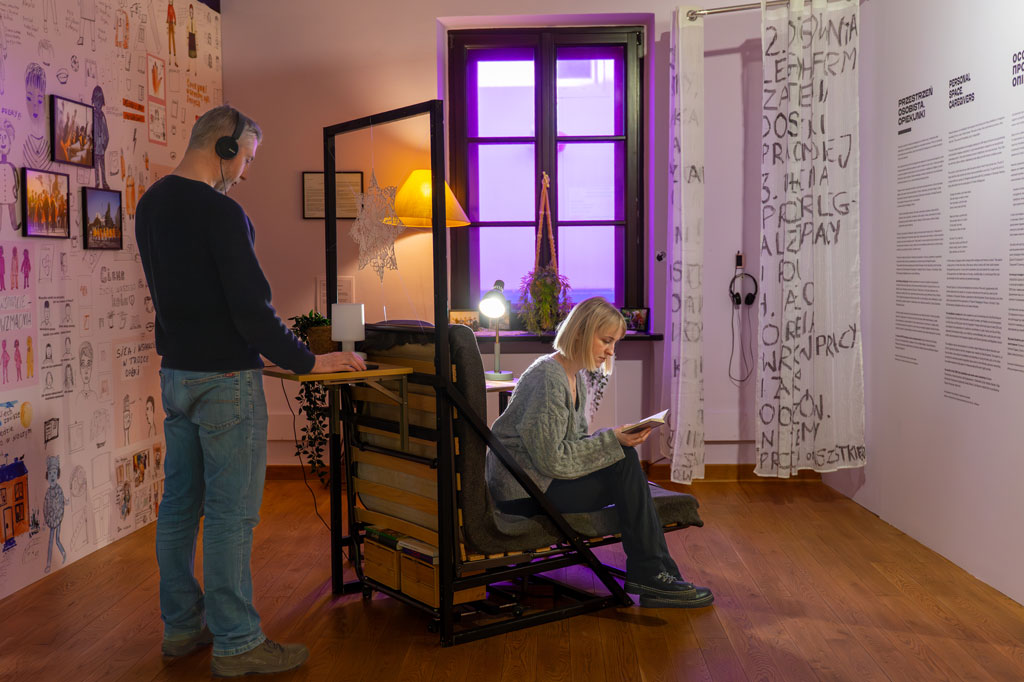
The Museum of Praga will feature artistic installations usually concealed in the cellars and offer visitors the chance to see former Jewish prayer rooms, bringing to life the history of the local community. Lovers of the graphic arts should visit the Museum of Printing, where the most interesting ex libris will be presented along with the techniques used to create them. The Korczakianum will host moving performative readings of children’s texts once published in Janusz Korczak’s historic ‘Mały Przegląd’ (Little Review) magazine.
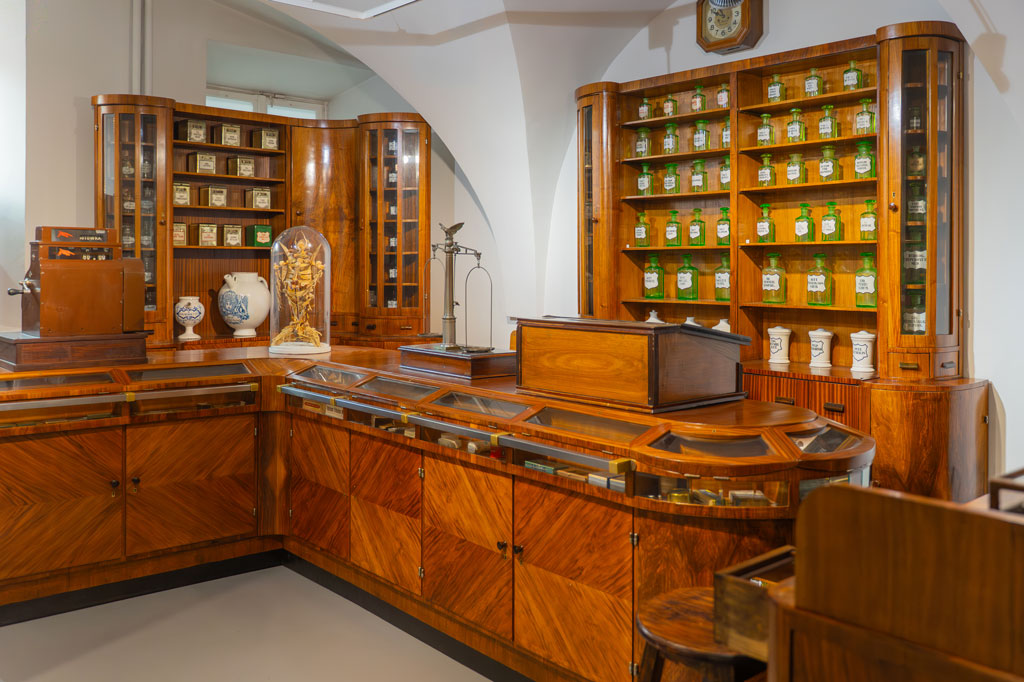
It is also worth visiting the Barbican and the Museum of Pharmacy, where a night-time visit takes on a special atmosphere. At the Barbican, you can travel back in time to the era of defensive walls and learn about the history of city fortifications of old, discovering their significance to Warsaw’s development and security. Meanwhile, the Museum of Pharmacy invites you to the bygone world of old-time apothecaries—full of antique vessels, formulae, and instruments that reveal the secrets of medicine and pharmacy from centuries past. This is a great chance to get a close look at places and items that are usually inaccessible to visitors, and to view history through the prism of the details and everyday practices of past eras.
Exhibits worth seeing
A number of unique exhibitions await visitors at the Museum of Warsaw this year. From March 19, at the main site, you can view the new exhibition ‘Aleksander Minorski. Photography as Intervention’, showcasing the life of the city before and after the Second World War through the eyes of a photographer, filmmaker and social activist. On May 29, the Wola Museum will open the exhibition ‘No limits. How the bicycle is changing Warsaw’, exploring the evolution of modern cycling culture—from its pioneers to today’s activists and everyday users of ‘two wheelers’. This autumn, the public will be invited to join a participatory exhibition examining the phenomenon of Warsaw. Created in collaboration with residents and experts alike, the project seeks to answer what defines the capital’s unique character today. In parallel, the Museum of Praga will present ‘Praga Interiors’, an exhibition highlighting the architectural details of former tenement houses and the history of local craftsmen. In addition, the main site’s permanent ‘The Things of Warsaw’ exhibition will be modernised and enhanced with an audio guide in Polish and English as well as solutions to increase accessibility, among other upgrades.
The exhibition ‘The Things of Warsaw’ is not a classic, chronological narration of the city’s history. It is a collection of seemingly ordinary objects that convey extraordinary stories about the lives of Warsaw residents through the centuries. Furthermore, the new audio guide has been created to bring the exhibits on display to life and reveal their hidden significance. These several dozen items shed light on the wealth of indivdual stories hidden in each one of the more than 7,000 exhibits on display.

Events in English
As part of the Museum of Warsaw’s 90th anniversary celebrations, numerous event have also been organised especially for foreign guests. From May 24 to September 27, ‘Warsaw Stories’ guided tours will be held every Sunday, during which English-speaking guides will talk about the city’s history, as well as sharing interesting facts about Warsaw and its unique places (details here). Meanwhile the ‘Warsaw caught my eye’ project is being curated together with migrants living in the capital. Participants will present selected museum exhibits from their unique perspective, combining individual experiences with their own cultural heritage. In addition, for all those learning Polish, a series of “Cultural Polish for Beginners” walks will be held on the last Sunday of each month, combining language learning with exploring the history and culture of Warsaw. More information about all events and dates can be found at: muzeumwarszawy.pl.

For more tips on how to visit Warsaw sign up for our newsletter and stay up to date!
* By clicking the ‘Subscribe’ button you consent to receiving the newsletter from us and accept the Regulations of the ‘Newsletter’ service. We will process your e-mail address for the purpose of sending you the newsletter. The administrator of your personal data is the Warsaw Tourism Office. More information on the privacy policy and cookies policy and clause concerning the processing of personal data.