Go To WarsawCulinary ideas for a summer in the city
Culinary ideas for a summer in the city
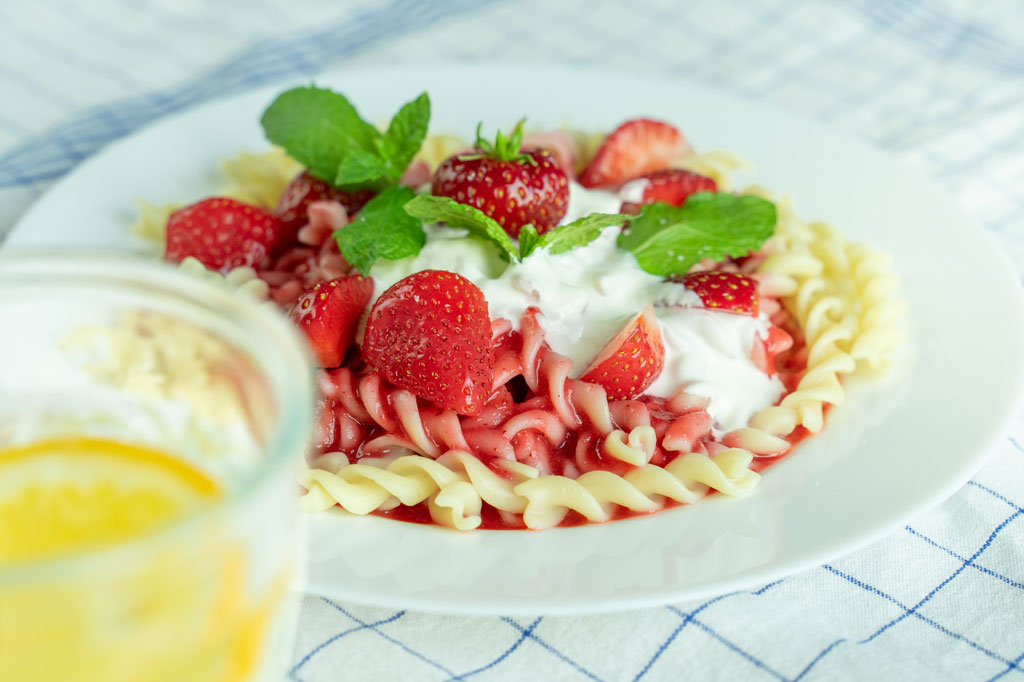
Flavours of summer? Ask Iga Świątek – the Warsaw-born tennis star who triumphed in this year’s Wimbledon final on 13 July. When asked about her favourite childhood dish, she mentioned pasta with strawberries, white cheese and yoghurt. The idea of serving cooked pasta – ideally fusilli – as a sweet dish has intrigued and delighted people around the world. The recipe for “Polish Strawberry Pasta” was even featured in The New York Times food supplement.
Iga Świątek’s favourite pasta is a simple, quick home-style dish. To cooked pasta (best with fusilli, as they hold the sauce better), add white cheese and seasonal fruit. Then pour over yoghurt for a lighter version, or rich, thick cream. Some people also add a little sugar.
Where can you try this dish? For example, in Warsaw’s milk bars, which have been part of the city’s landscape since the turn of the 19th and 20th centuries.
At the city history exhibition at the Museum of Warsaw (Rynek Starego Miasta 28–42, open daily except Mondays – see the website for details: muzeumwarszawy.pl) you’ll also find information about the first such venue, “Mleczarnia Nadświdrzańska” – opened in 1896 at 11 Nowy Świat Street by Stanisław Dłużewski, a local producer of milk and dairy products.
In Communist Poland, milk bars served as cheap, state-subsidised canteens, offering simple, home-style dishes.
Pasta with strawberries, photo: Maciej Deperas
In summer, milk bar menus usually feature new potatoes with dill and a fried egg, chłodnik (a cold soup made with dairy – yoghurt, cream or buttermilk – and summer vegetables like beetroot and cucumber), and warm soups: botwinka (made from young beetroot) or sorrel soup (served with egg).
Other summer treats worth trying in Warsaw, not just at milk bars, include jagodzianki (yeast buns filled with fruit) and fruit pierogi – with blueberries, cherries, strawberries, and later in the season, plums.
Pierogi with strawberries, photo: Maciej Deperas
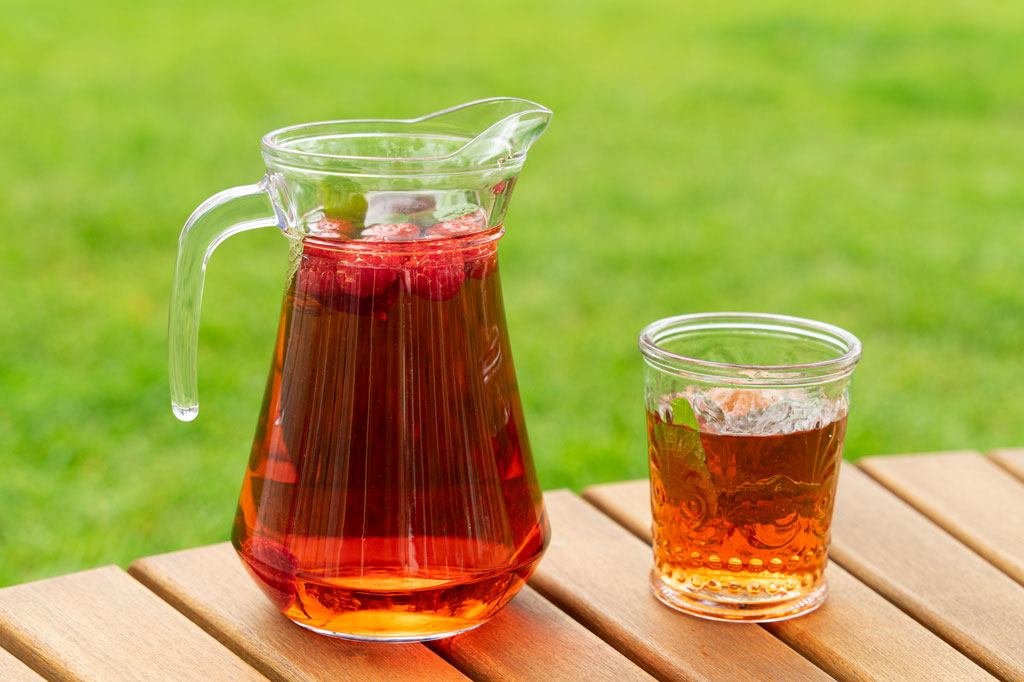
Kompot – a drink made by boiling seasonal fruit in water – is another nostalgic summer flavour, remembered from homes, milk bars and canteens.
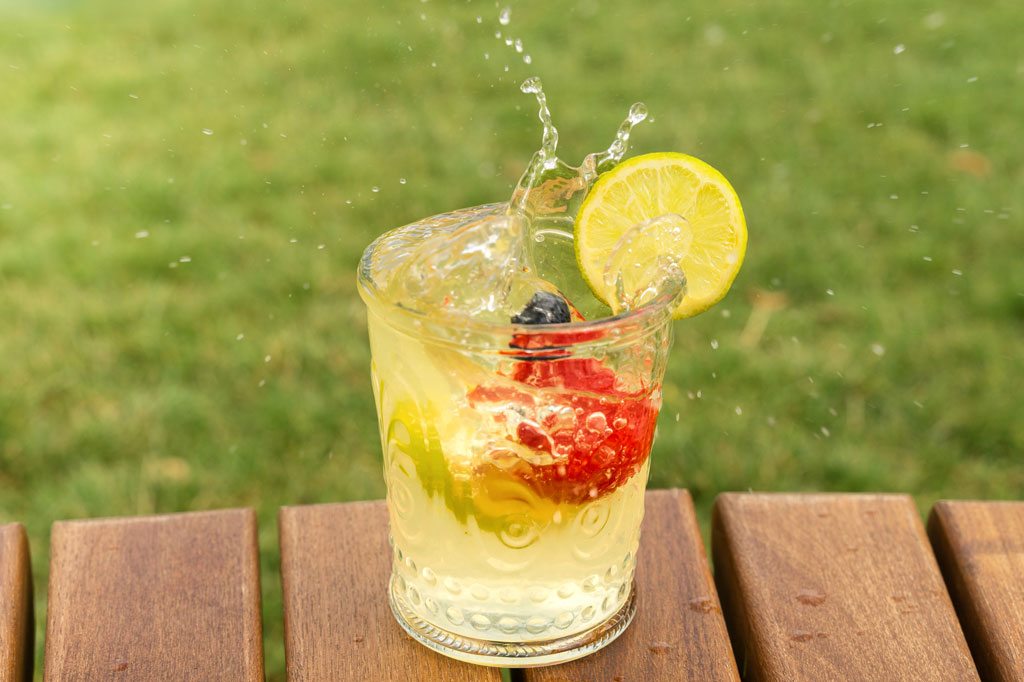
In recent years, cafés, bars and restaurants across Warsaw have increasingly offered lemonade too, tempting visitors with creative flavour combinations that go beyond the classic lemon, mint and sugar (either sweetened or sugar-free).
In summer, you can try watermelon, grapefruit or elderflower lemonades, often infused with fresh herbs like rosemary, lavender or even dandelion.
Kompot, photo: Maciej Deperas
Tasting aromatic, sweet‑and‑sour citrus lemonades is best paired with a walk through Warsaw’s historic gardens. Some date back nearly three hundred years, originally part of elegant royal or aristocratic residences. Gardens like the Saxon Garden or Łazienki Królewskie hosted botanical experiments not just for study, but to supply fresh greens and rare fruit to the owners’ tables.
They cultivated fruits, vegetables and herbs, including exotic varieties. By the late 18th century, King Stanisław August boasted a collection of 600 types of citrus plants, and pineapples grown in greenhouses graced the tables of Warsaw’s elite.
Lemonade, photo: Maciej Deperas
What was life like in a historic garden? You can find the answer at the temporary exhibition in Łazienki Królewskie, devoted to the history and biodiversity of the site, open until 14 September 2025.
The accompanying events programme includes workshops, guided walks and activities for all ages, including Sunday tours with sign-language interpretation and audio description.
The exhibition “Life of a Royal Garden” is located in the Podchorążówka building at Łazienki Królewskie and is open from Tuesday to Wednesday, 10:00–17:00; Thursday and Friday, 10:00–18:00; Saturday, 12:00–20:00; and Sunday, 10:00–16:00. Entry is free on Fridays. More information is available on the website: www.lazienki-krolewskie.pl.
Author: Agnieszka Kuś, Warsaw guide
Łazienki Królewskie, photo: Filip Kwiatkowski
For more tips on how to visit Warsaw sign up for our newsletter and stay up to date!