
State Ethnographic Museum
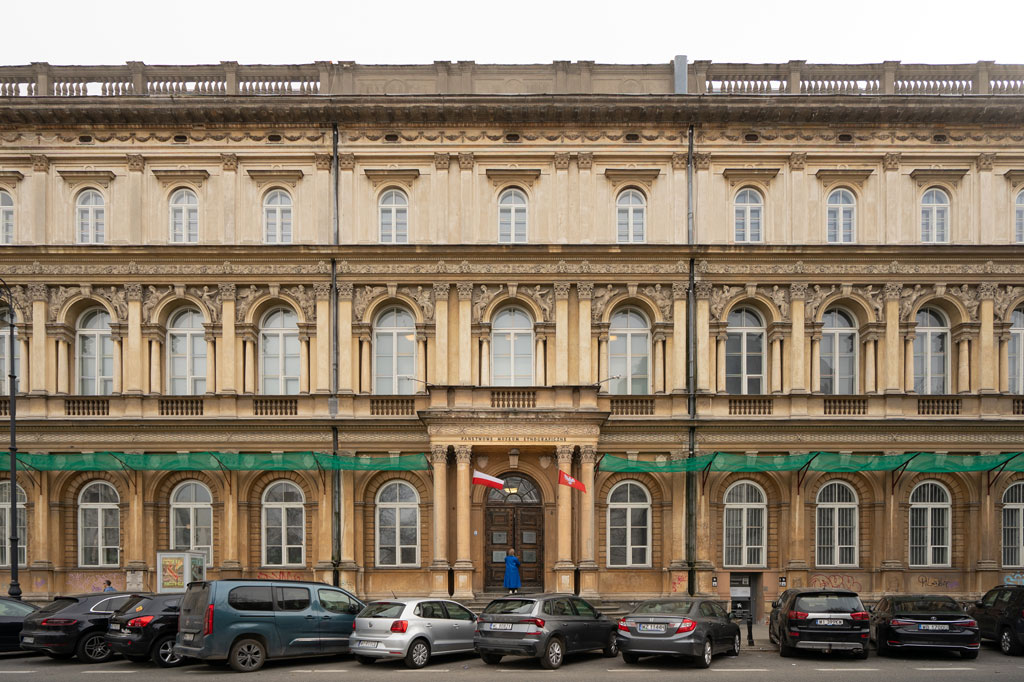
Founded in 1888, the museum is the oldest of its type in Poland. It collects exhibits in the field of Polish and world folk culture.
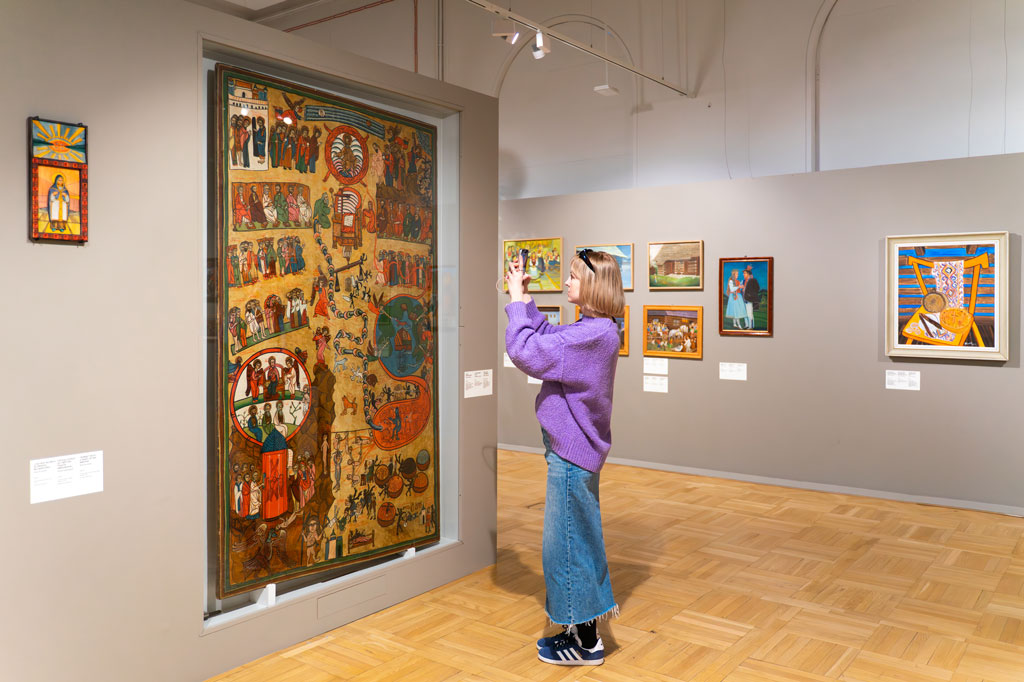
The largest exhibition, called ‘Celebration time’, covers 850 square metres and features folk costumes, festive outfits from Poland and Europe, paintings, sculptures, Christmas tree decorations, and carnival-related items. Mannequins in a glass showcase are dressed to show ‘folklore’ in a new light, and the exhibition is reminiscent of a modern shopping mall. Observant visitors will notice how folklore has influenced fashion and the applied arts and still does.
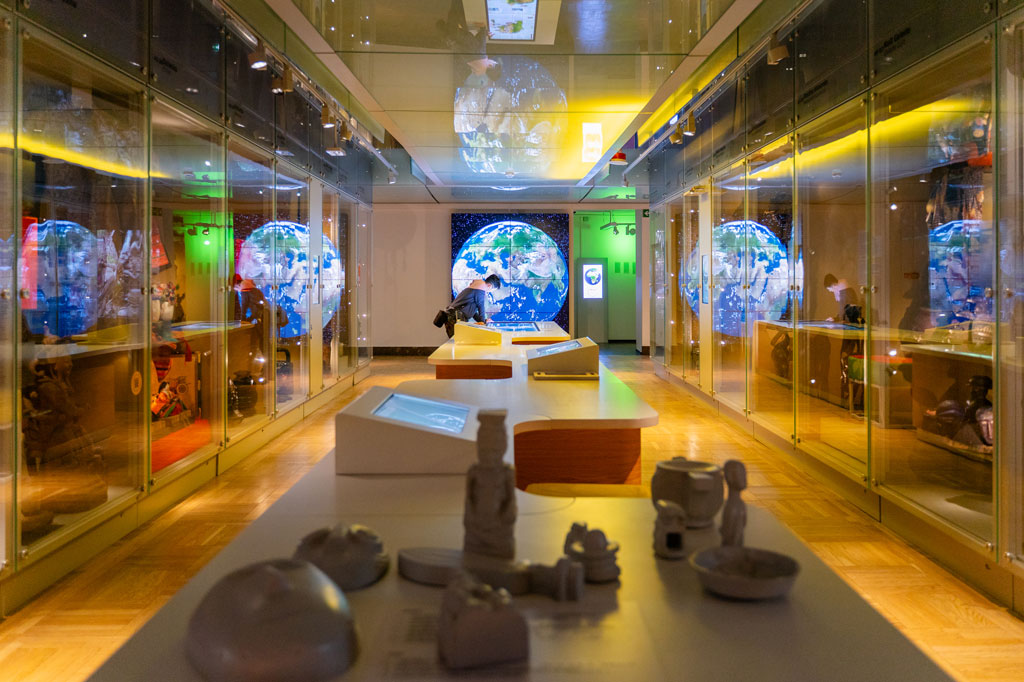
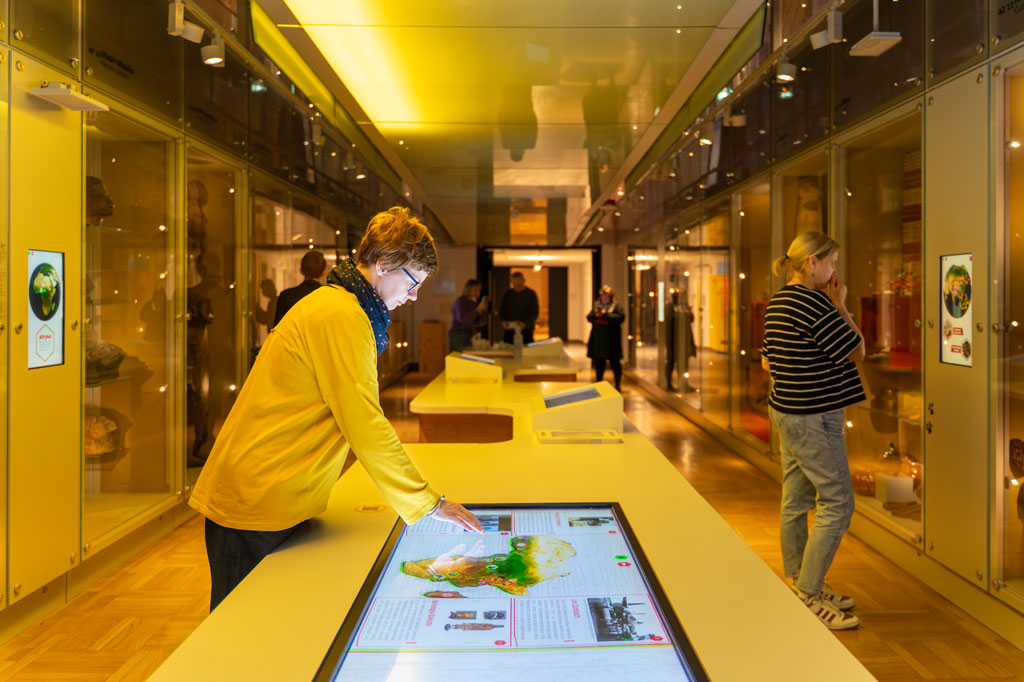
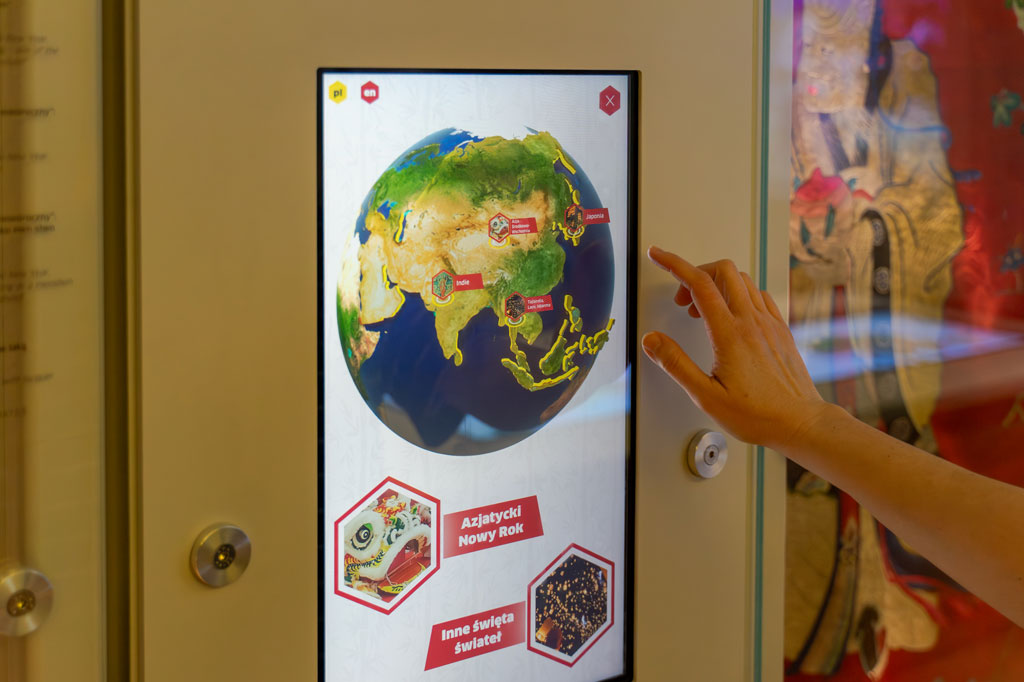
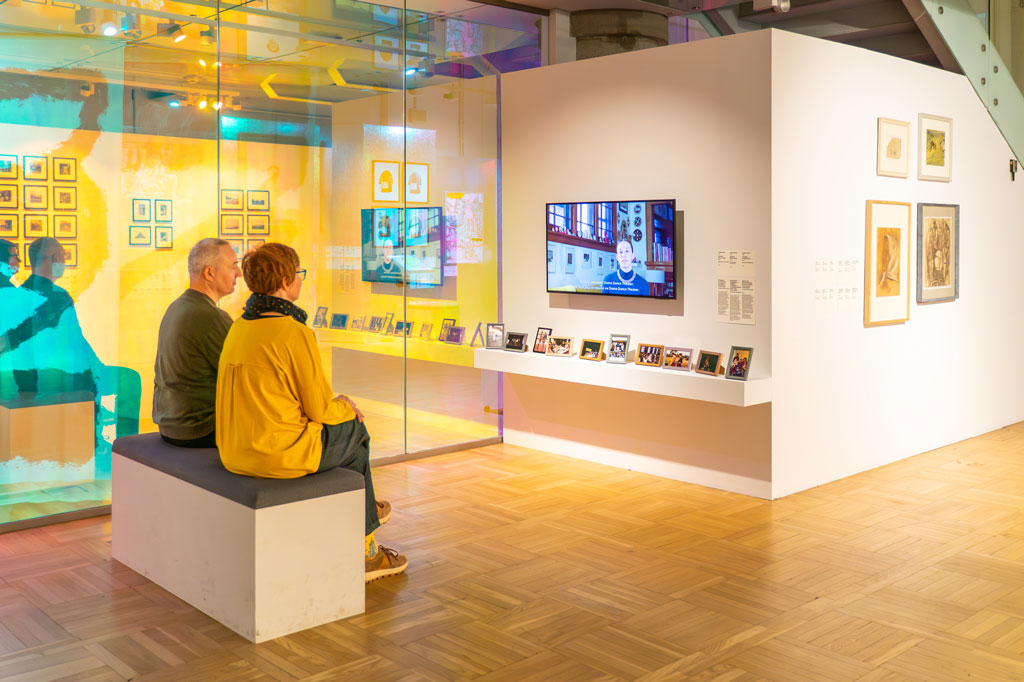
The exhibitiion ‘African Expeditions, Asian Ways’ presents the wealth of diverse traditions and material culture of these two continents. Among the things to see in the African Gallery are exhibits related to power and magic, such as sorcerers’ masks and regal attire. In the Asian section, items used for self-improvement and spiritual development are on display. The exhibition is accompanied by videos in which people from the two continents present the regions’ contemporary cultures.
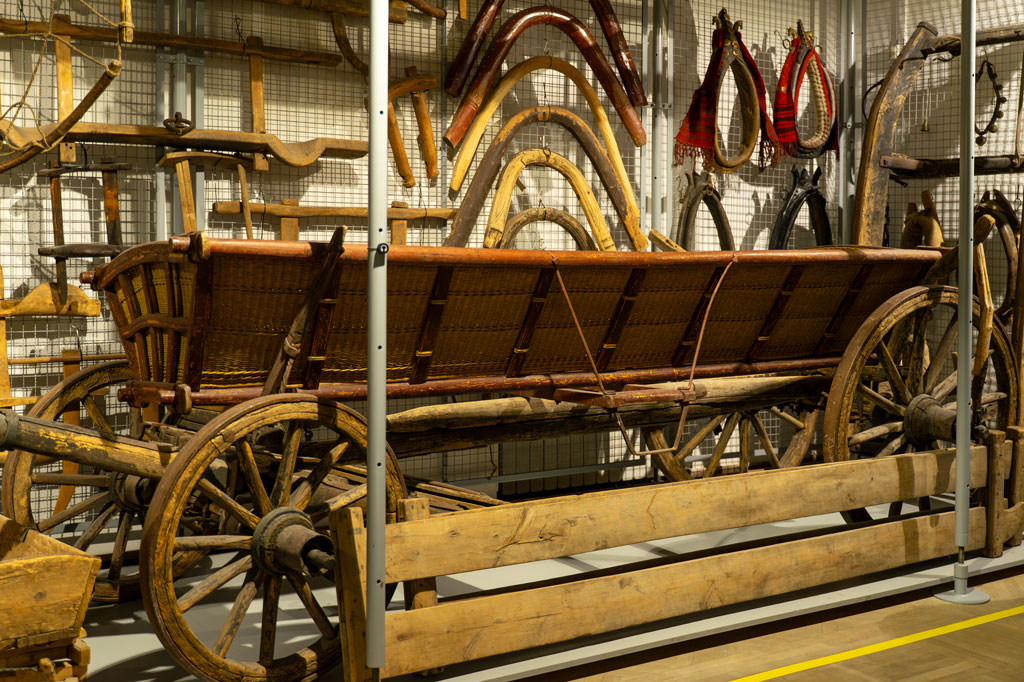
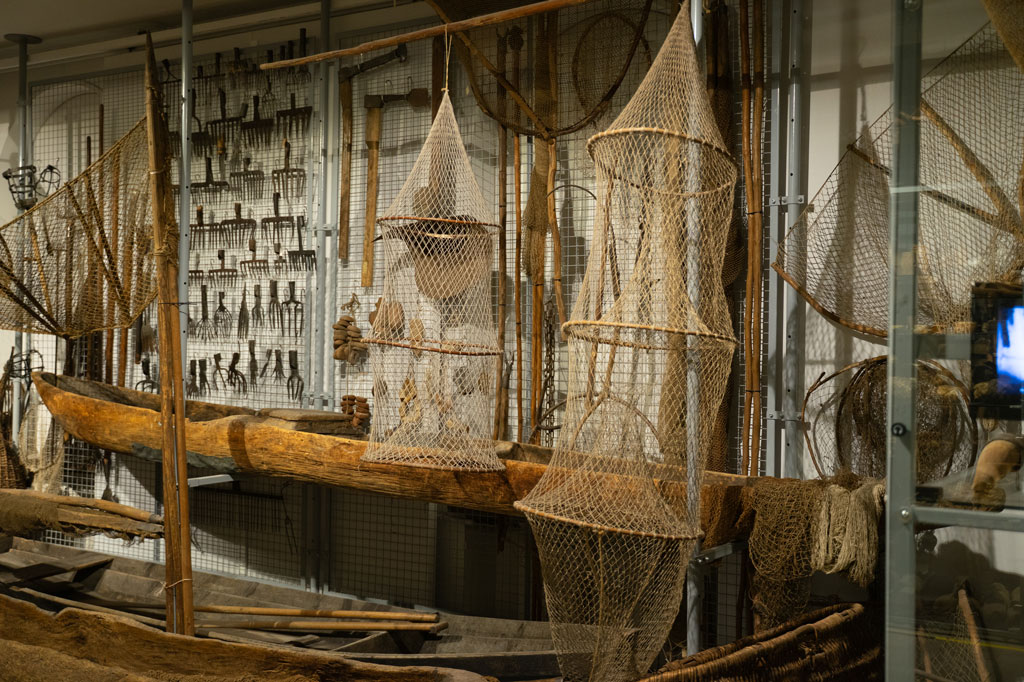
‘The Order of Things’ is a display showcasing tools used in agriculture, animal husbandry, gathering, fishing, beekeeping, and handicrafts. The oldest come from the mid-19th century, and the most recent from the 1970s. Multimedia enables you to see how they were used in practice.
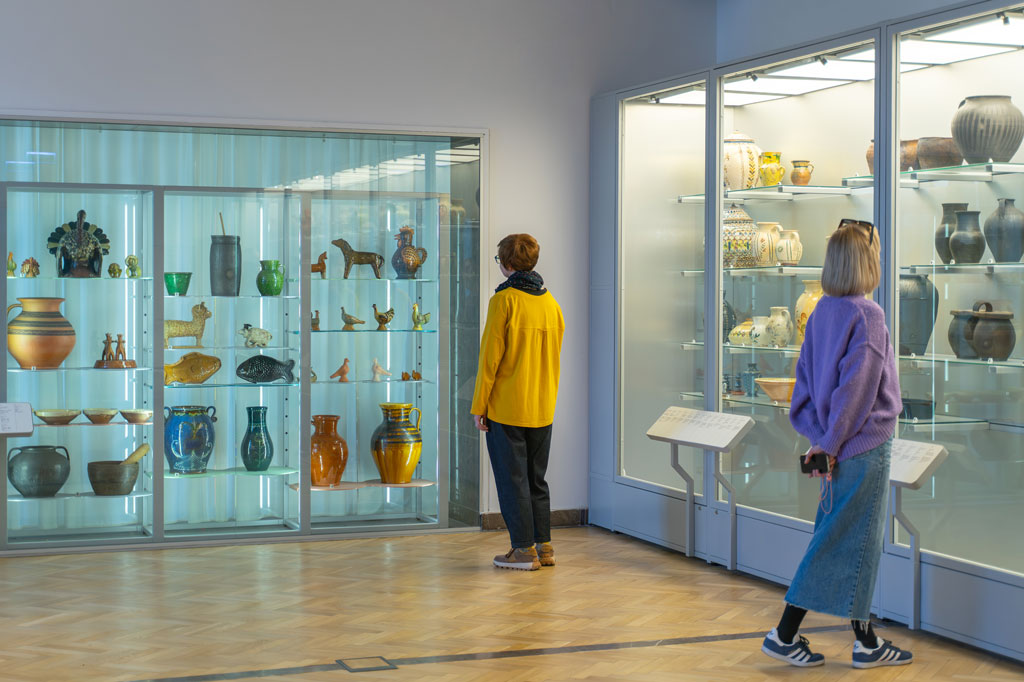
Also visit the Korean Gallery to see beautifully decorated furniture from the 19th and 20th centuries, ceramics, and decorative artefacts from that country.
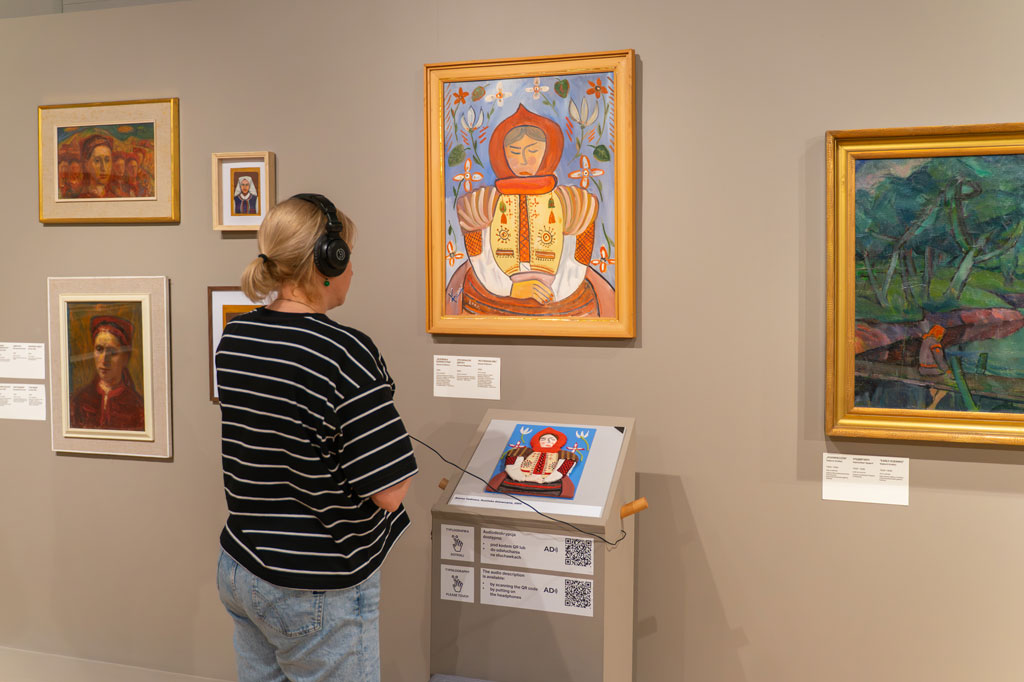
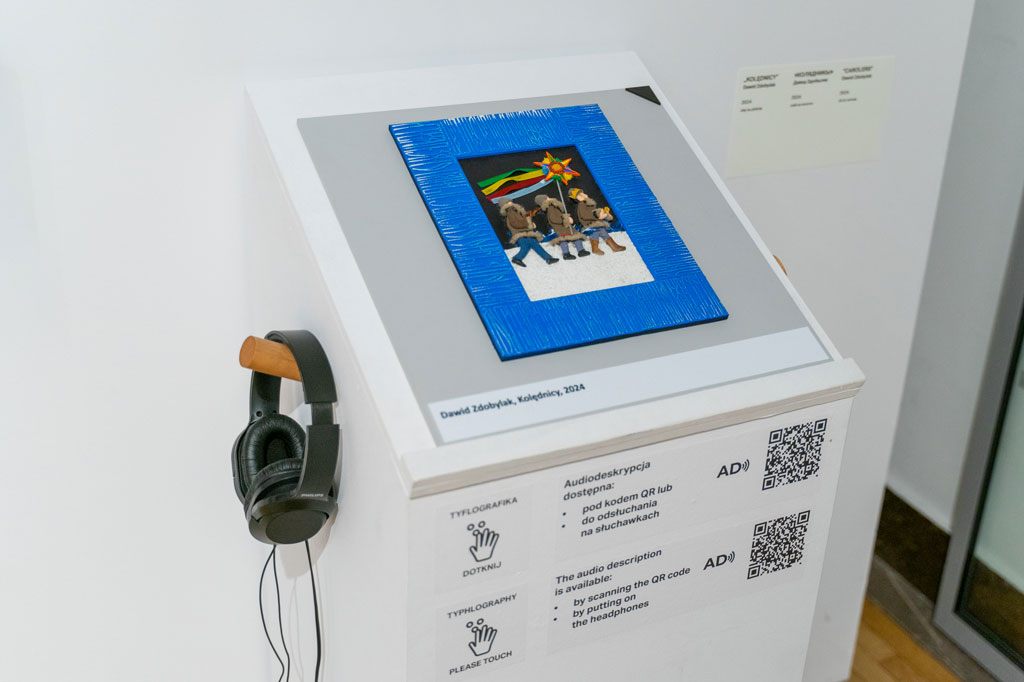
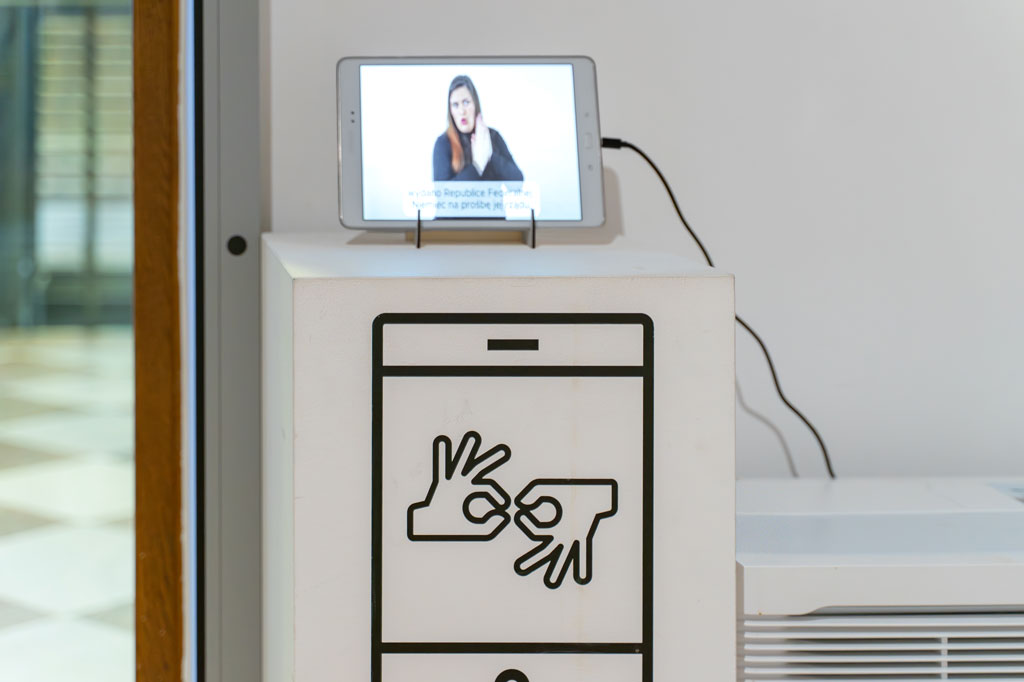
The museum also holds temporary exhibitions, where selected exhibits are available with adaptations for people with disabilities.
- ul. Kredytowa 1
- ethnomuseum.pl
Facilities for people with disabilities:
- d-3
- d-5