
The Palace of the Commonwealth
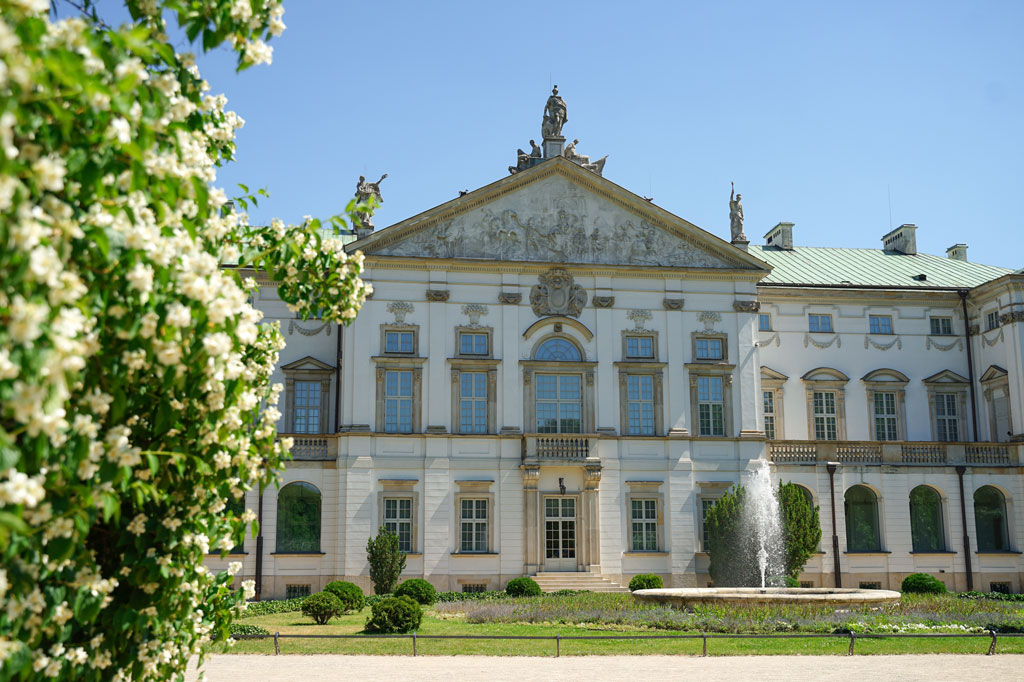
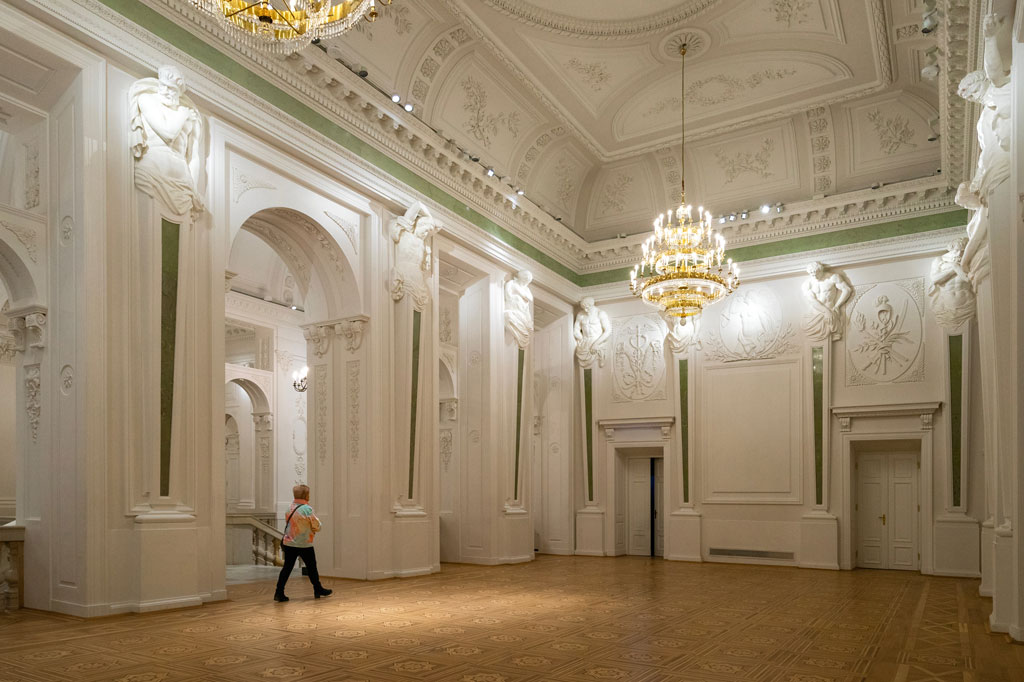
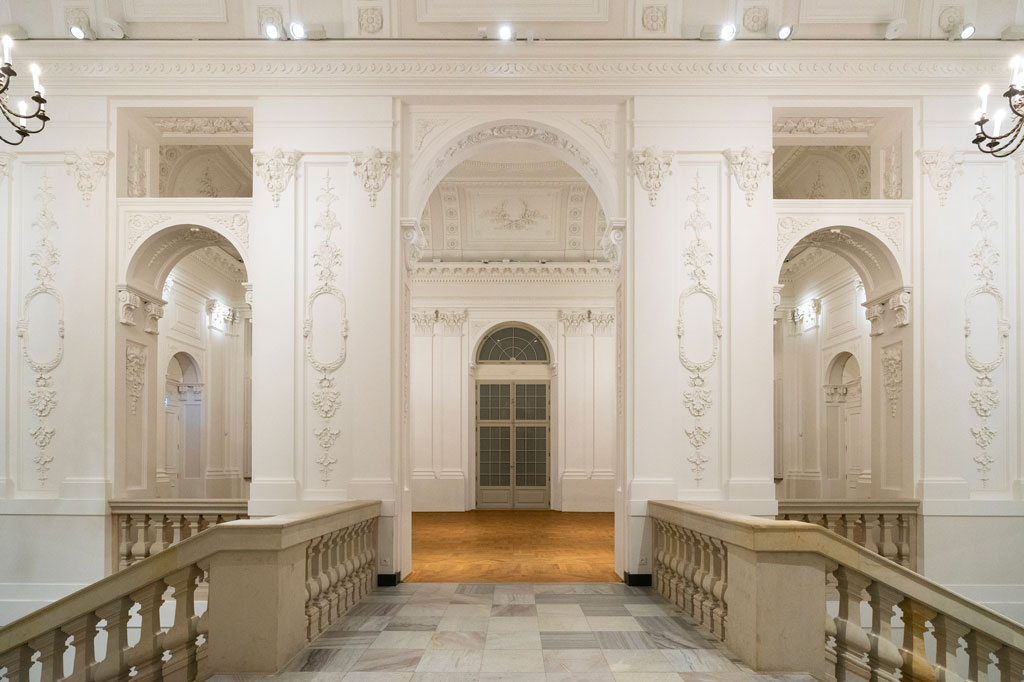
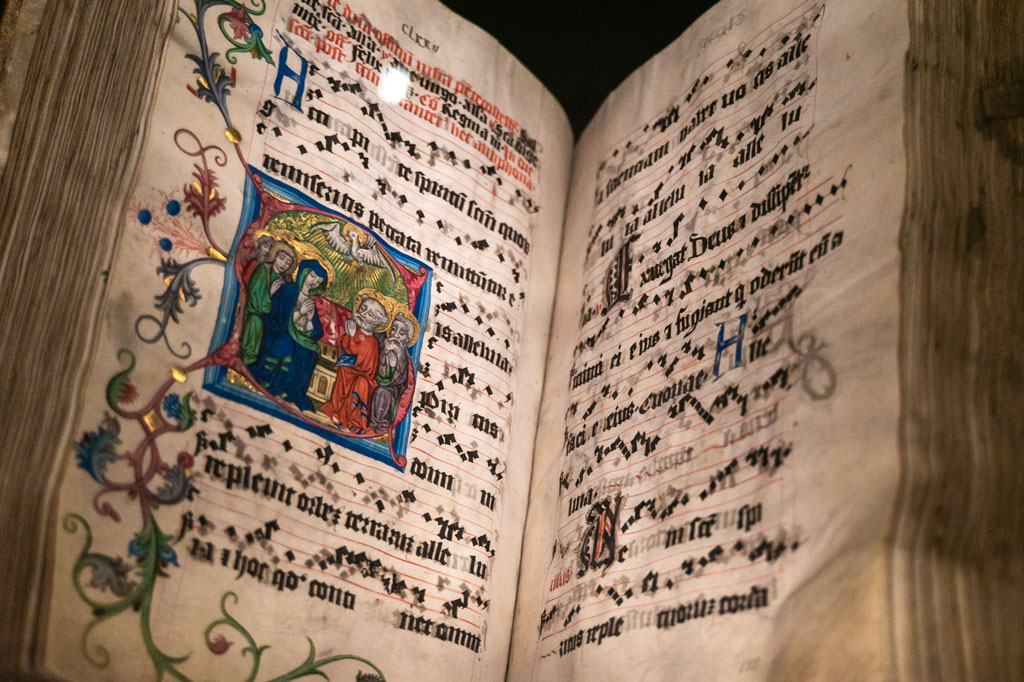
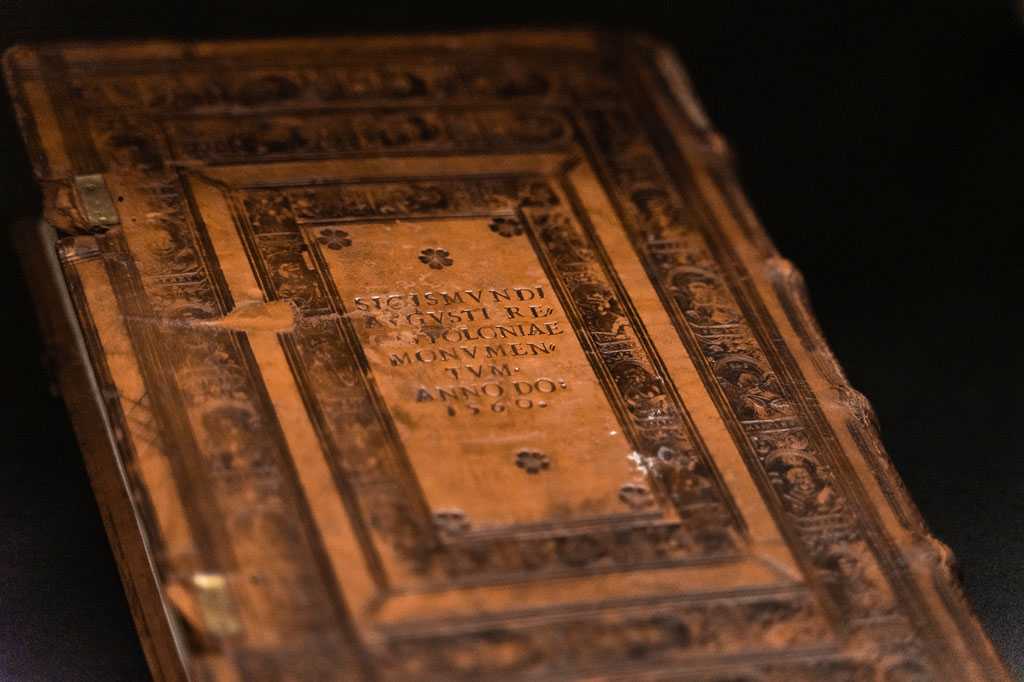
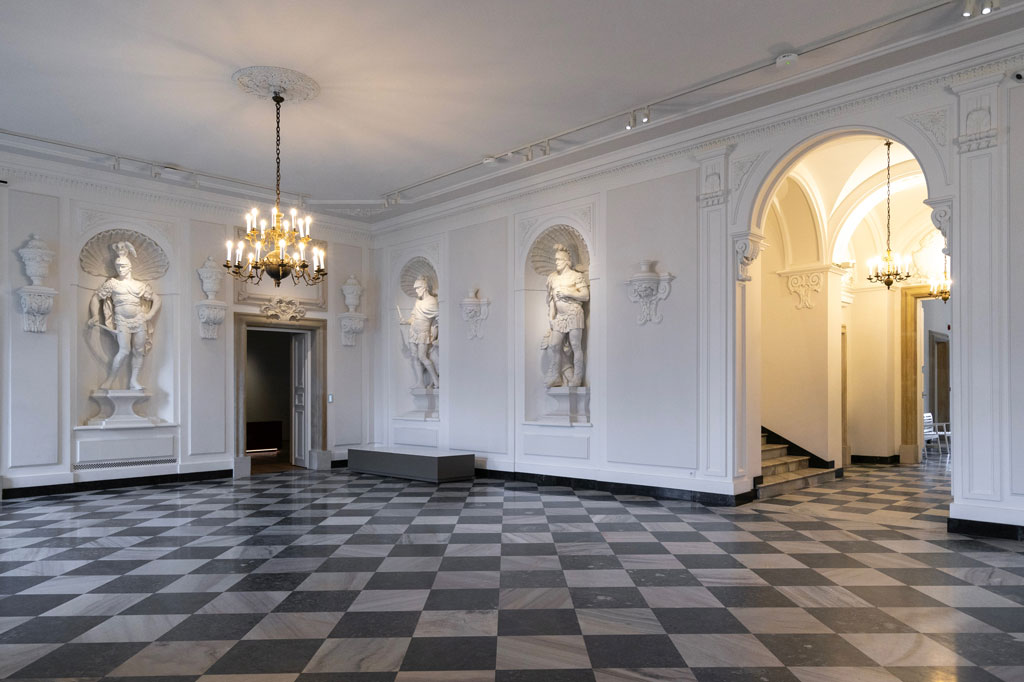
One of the most beautiful Warsaw residences built in the 17th century, it currently houses the most valuable works of the National Library. In the painstakingly renovated interiors, you will see not only beautifully decorated ancient manuscripts and works of literature that built the Polish identity, but also outstanding masterpieces of European literature.
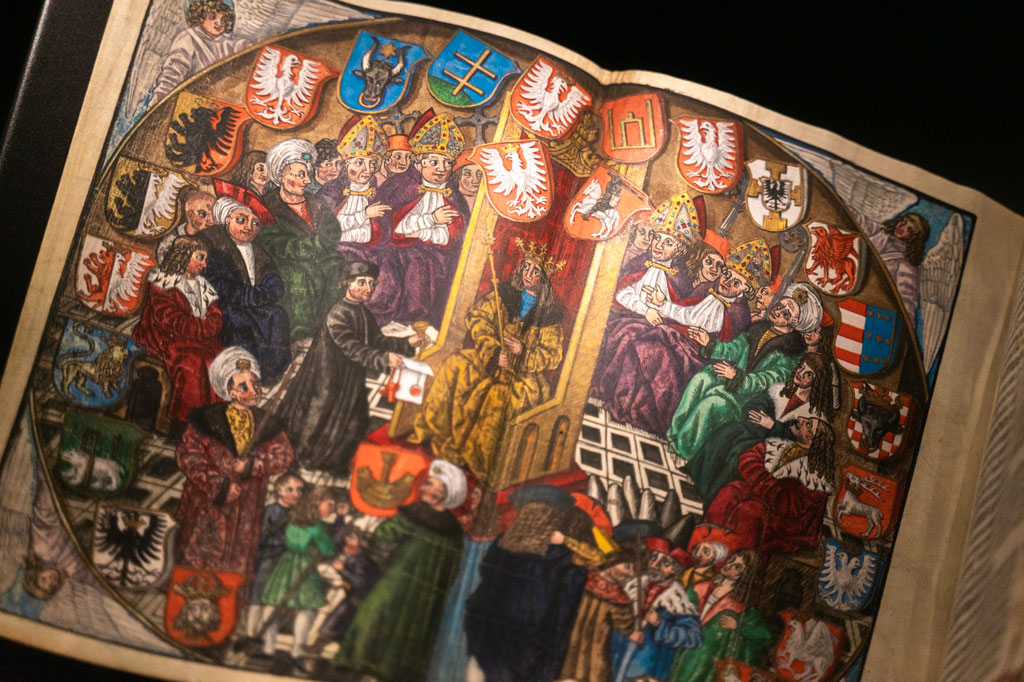
The nearly 200 exhibits include the oldest surviving Polish written history, the ‘Old Annals of the Holy Cross’. These are three pages of 12th-century parchment, on which a medieval scribe wrote the famous Latin sentence “Dubrovka venit ad Miskonem” (“Doubravka came to Mieszko”). Farther on, two medieval chronicles by Gallus Anonymus and Master Wincenty Kadłubek await you, as well as a manuscript of the song Bogurodzica (Mother of God), considered Poland’s first national anthem.
Exhibits in other rooms include the only surviving manuscript of one of Renaissance Europe’s most outstanding writers—Jan Kochanowski, the oldest fully preserved book printed in Polish, and a first edition of ‘On the Revolutions of the Celestial Spheres’ by Nicolaus Copernicus. Among the exhibits from later eras you will find manuscripts of poetry by Adam Mickiewicz and Juliusz Słowacki, and novels by Henryk Sienkiewicz. You will appreciate how beautifully Cyprian Kamil Norwid drew, and see an original collection of poems by Warsaw Uprising insurgent Kamil Baczyński, Zbigniew Herbert’s ‘The Message of Mr. Cogito’ and Czesław Miłosz’s journals and Nobel Prize Medal.
Those interested in European literary history can see an Old Church Slavonic canon manuscript from 1,000 years ago called the Codex Suprasliensis, a beautifully illuminated copy of La Sforziada, which relates the history of the founder of Milan’s Sforza dynasty, and 15th-century maps from before the discovery of the New World.
Music lovers can enjoy manuscripts including a score of Chopin’s Piano Concerto No. 2 in F minor, H.M. Górecki’s ‘Symphony of Sorrowful Songs’, Krzysztof Komeda’s ‘Lullaby’, Agnieszka Osiecka’s ‘Małgośka’, and ‘Mury’ (‘Walls’) by Jacek Kaczmarski.
Finally, don’t miss a visit to two remarkable rooms. The first is a library from the turn of the 18th and 19th centuries, on the original shelves of which are rows of beautifully bound books from the collection of the Potocki brothers. The second is the Remembrance hall. In its centre stands an urn bearing the ashes of books to serve as a reminder of the loss of nearly 80 percent of the National Library’s collections, burned by the Germans during World War II. You can watch a film relating this dramatic story in the palace basement.
- Pl. Krasińskich 3/5
- palacrzeczypospolitej.pl
Facilities for people with disabilities:
- d-2
- d-4
- d-5