
Museum of Wola
Housed in a historic palace dating back to 1880, the museum tells the story of one of the capital’s most iconic districts. You will discover how Wola—once a village near Warsaw and the place where Polish kings were elected—became an important industrial centre and is today transforming into a modern business district full of skyscrapers. You will also find out about places and events that have shaped Wola’s identity, and learn moving stories of some of its famous inhabitants.
The heart of the museum is the permanent ‘Wolski Room’ exhibition. Its fifteen themes, illustrated with photographs, sculptures and historical artefacts, depict the most important aspects of the district’s history. Also on display are unusual items including a 19th-century metal glass holder made at the Norblin Factory and a pair of sphinxes that once adorned the entrance to the famous Haberbusch and Schiele brewery.
The museum also tells the story of the Wawelberg Settlement—one of Poland’s first estates providing affordable housing for workers—and the famous Kercelak bazaar, as well as renowned Wola residents, including Isaak Bashevis Singer, Władysław Szlengel, and Hanka Ordonówna. The events of the Warsaw Uprising and the tragic ‘Wola Massacre’, which left an enduring mark on the district’s history, are also important aspects of the museum’s narrative.
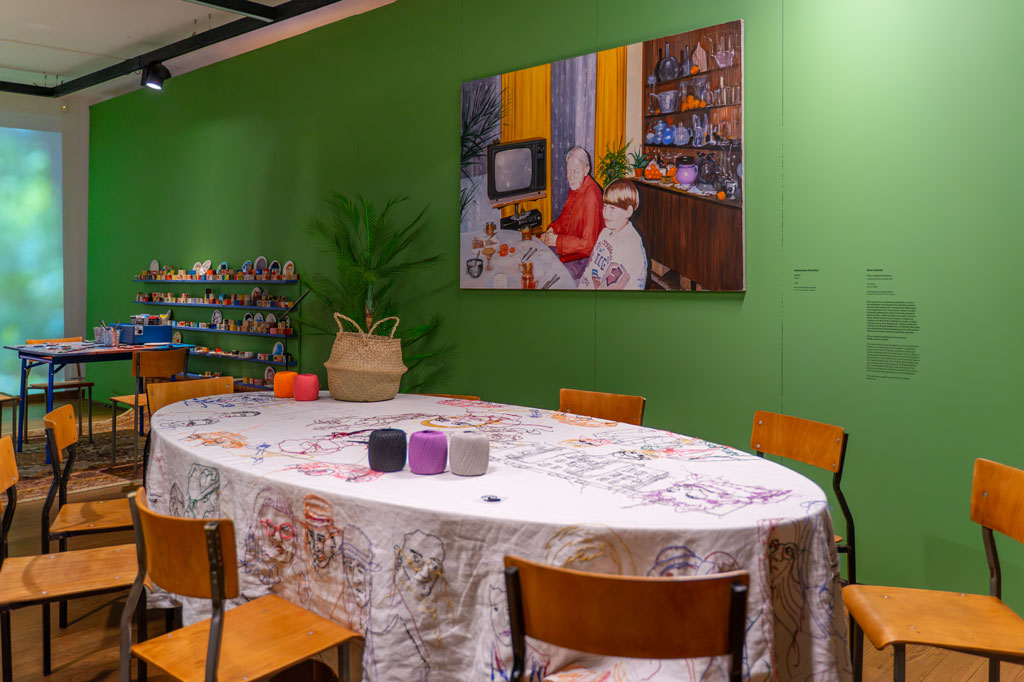
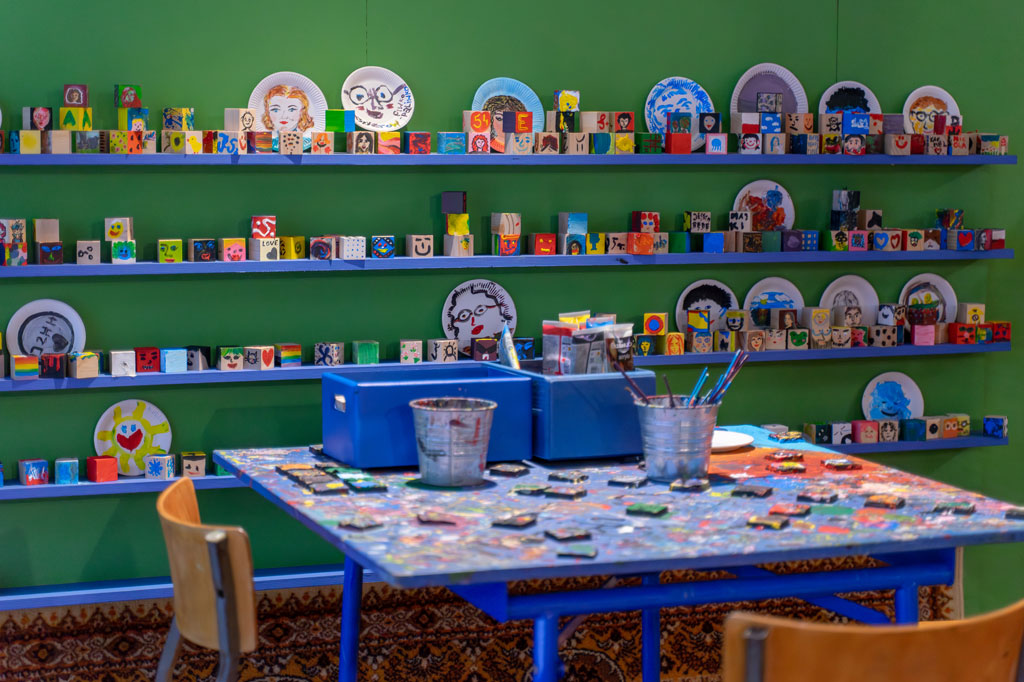
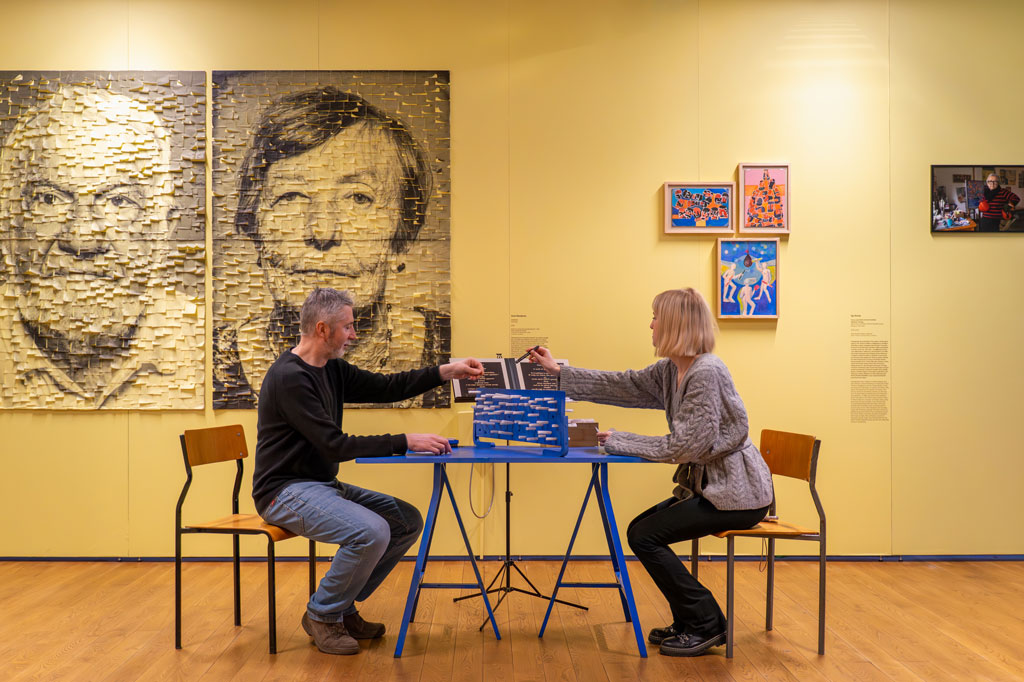
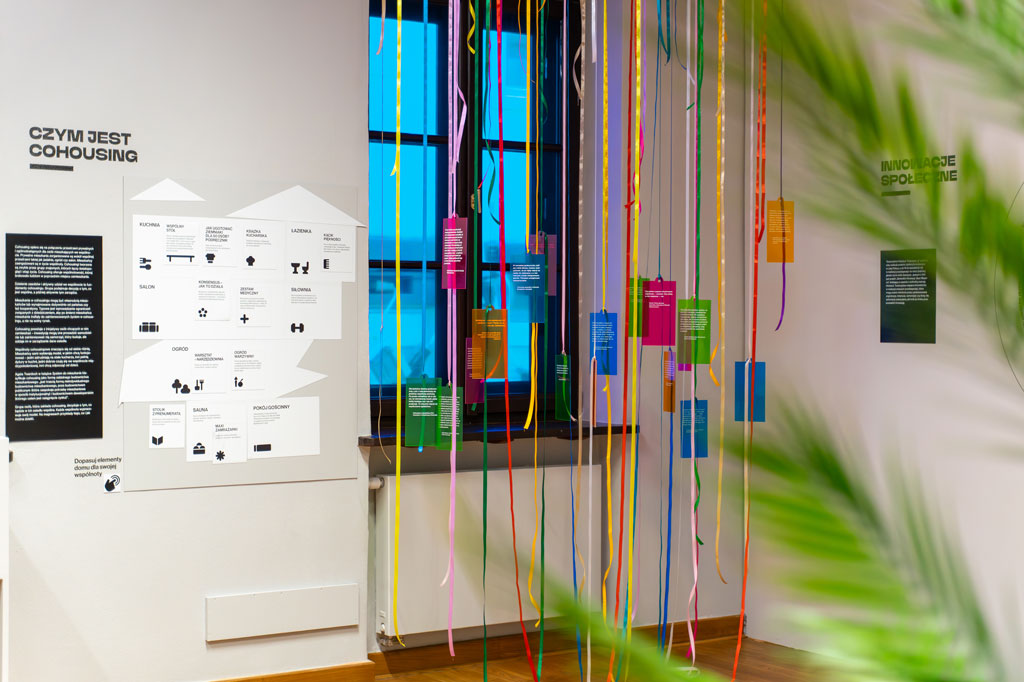
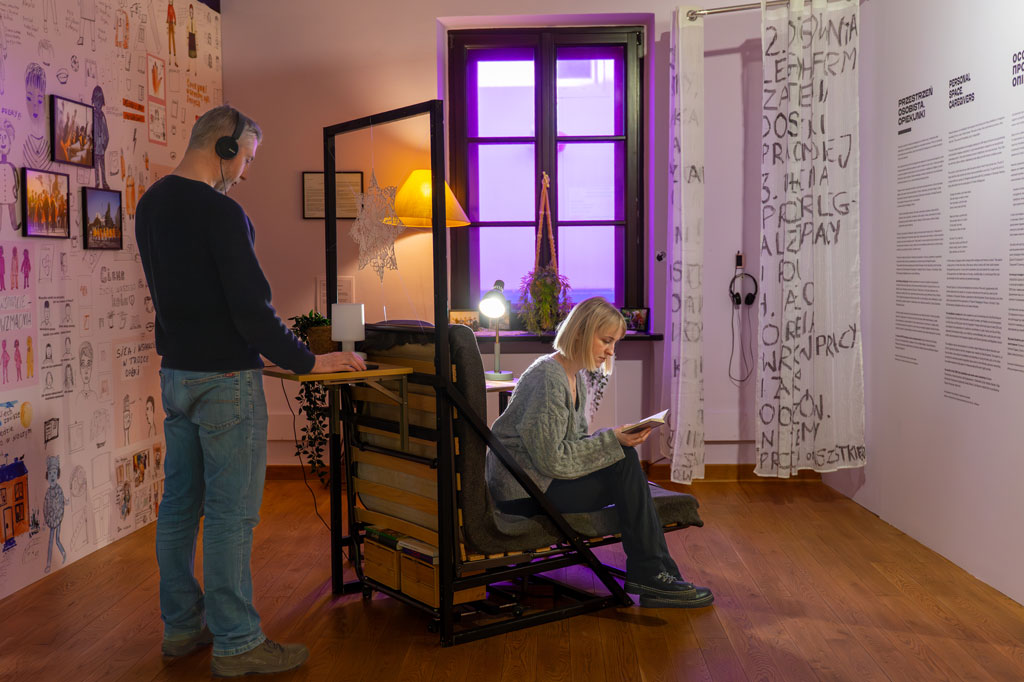
Temporary exhibitions—often co-created by the district’s residents—explore current themes affecting the local community, and an exhibition hosted biennially at the museum entitled ‘Warsaw under Construction’ is dedicated to the city’s contemporary transformation.
- ul. Srebrna 12
- muzeumwoli.muzeumwarszawy.pl