

Walk around Targówek district
Although a large part of the district, located on the site of the former villages of Targowe Małe and Bródno, is currently covered by large 1960s and 1970s housing estates, there are many places worth seeing. Worth mentioning are the remains of a 10th century ring fort—the oldest settlement within the limits of modern-day Warsaw, two historic cemeteries, Warsaw’s oldest tombstone, or several well-preserved historical examples of wooden architecture. A walk around the open-air Bródno Sculpture Park or a visit to an agricultural holding in the former communist-era state farm area (PGR) will also be unique experiences.
The district also starred in the famous TV comedy series ‘Alternatywy 4’ (4 Alternative Street) by Stanisław Bareja, a fact commemorated by a mural depicting one of the show’s characters, Józef Balcerek.
Bródno Fort
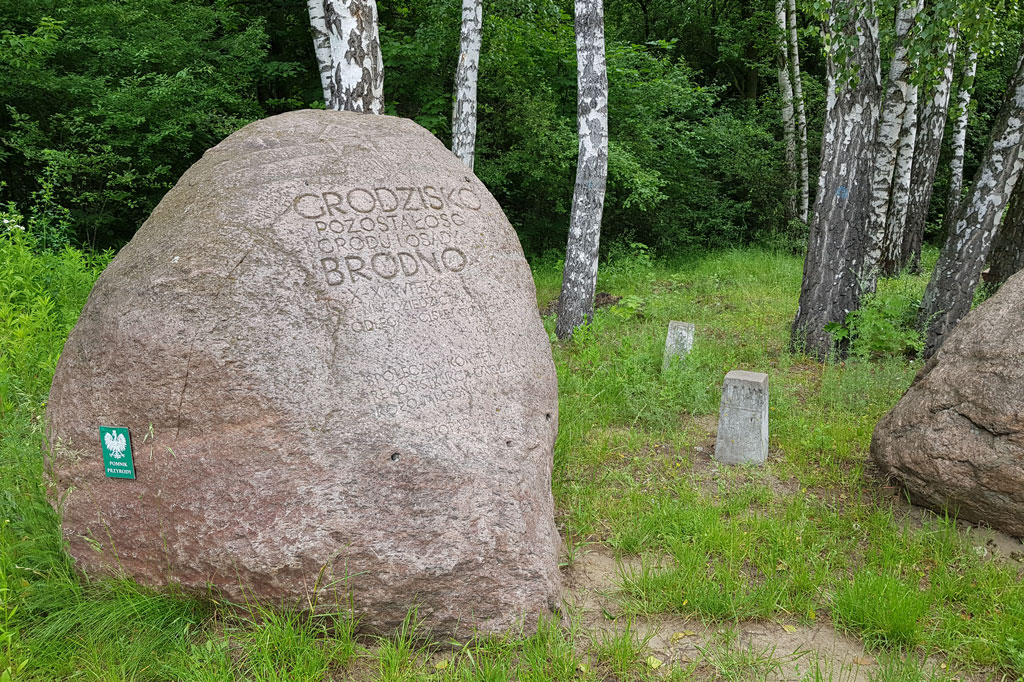
Did you know that in Bródno Forest there was once the oldest known human settlement within the borders of present-day Warsaw? The site today is marked by an oval embankment overgrown with lush forest vegetation with a wooden sidewalk running round it. In the 10th and 11th centuries, an earthen rampart eight metres thick and six metres high ran in the same place, forming a fortified stronghold. It was located on a dune surrounded on three sides by swamps. At times of threat, the inhabitants of a village of several dozen nearby cottages would take refuge in the fort. Information on nearby signboards will acquaint you with the life, clothing and activities of the ancestors of today’s Varsovians. If you want to travel back to those times, attend the Archaeological Picnic held here every June as part of the European Archaeology Days. Then you can watch reenactments with medieval warriors, take part in demonstrations of ancient crafts, or enjoy a virtual walk around the fort.
The first settlement in today’s Warsaw is commemorated by an inscription on a boulder at the entrance to the forest, and a monument located a few hundred metres away. The inscription announces to passers-by that “This is where Warsaw began”.
The second part of the monument is a section of wall encasing a ship’s anchor, along with an information board about the Bródnowski Canal. It was partially dug in the bed of the nearby Brodnia River, which used to overflow after rain, creating extensive wetlands in the area of Bródno.
Tombstone of Michał Waremberger
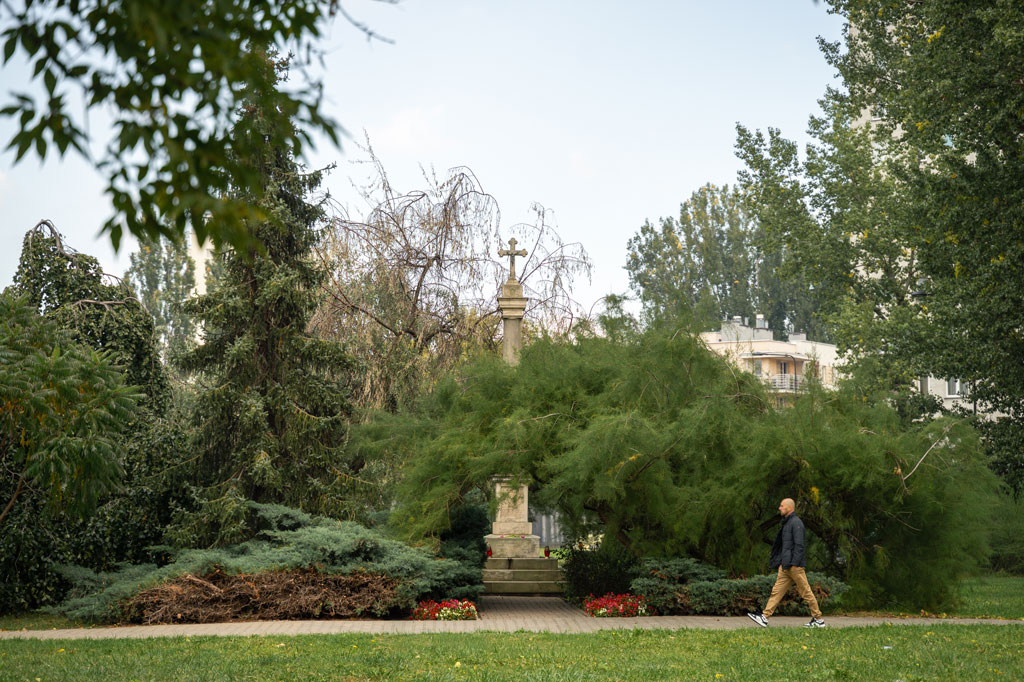
A short distance from Bródnowski Forest, on Malborska Street, is an almost three-metre-high stone column topped with a cross. It is a tombstone commemorating those who died during a plague that swept through Warsaw in the early 18th century. It was once situated in the middle of an epidemic cemetery, located far beyond the city limits. Erected in memory of Michał Waremberger and his children by his wife, it is considered the capital’s oldest free-standing tombstone. Over the course of several hundred years, the inscription on the column faded to such an extent that local residents for some time thought it to be an ordinary roadside shrine. Conservation work eventually restored the original text, which requests passers-by to pray. Today, the monument is surrounded by tall trees, making it easily overlooked in summer. Stop by it a moment and imagine people’s lives at a time when epidemics were changing the fate of entire cities.

Bródno Farm (Folwark Bródno)
A real treat for those who yearn for rural life. Bródno Farm is an educational smallholding located in the vicinity of residential estates. It is located on the site of the former State Agricultural Farm (PGR). Here you can get up close to farmyard animals: ornamental species of chickens, cows, donkeys, goats, sheep, and rabbits. The admission price incudes a pot of vegetables, which will quickly win them over. Information boards will help you learn more about them. The farm also features educational plots of land where various crops are grown, and an exhibition of agricultural machinery including the once famous Bizon combine harvester, as well as park and recreation areas, horse riding stables, and a garden centre. Be sure to visit if you need a break from the city hubbub.
Sculpture Park in Bródno Park
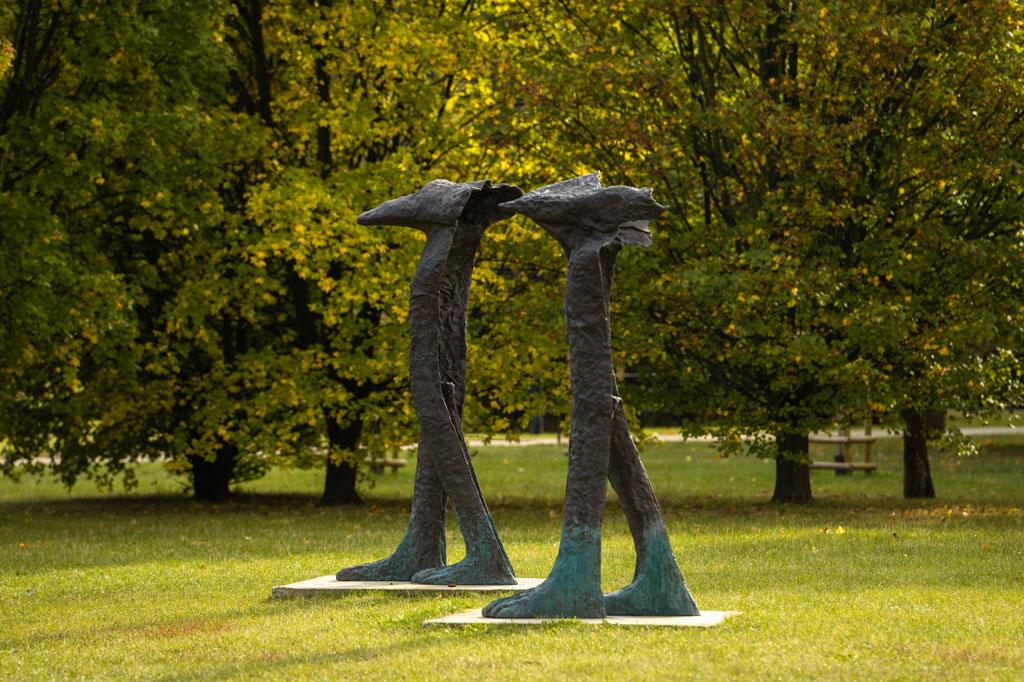
The only outdoor contemporary art gallery of its kind set in a city park, it was established as a joint venture of the Targówek local authority, artist and Bródno resident Paweł Althamer, and the Museum of Modern Art. It consists of a dozen or so exhibits—sculptures, installations and other artistic forms—to be discovered while strolling along the park’s walkways. Among the things to see are: BRÓDNO written in brick 16 metres long, reminiscent of the famous ‘HOLLYWOOD’ sign; the sculpture ‘Mieszczanie z Bródno’ (The Bródno Townspeople) created by various groups of residents during workshops held in a gym, a community center, a refugee centre, and a church, among other locations; the ‘Raj’ (Paradise) sculpture-garden formed from trees and shrubs based on the ideas of children from a nearby primary school; the gilded ‘Guardian Angel’ towering over the area on a three-metre pole, and the cast bronze ‘Sylwia’—a naked, snake-haired woman floating on a pond, created by people suffering from multiple sclerosis. During the walking tour, you will hear short radio station jingles played on a vibraphone. This is also one of the works, in which the artist uses sound as a sculptural form. Be inspired by these and other exhibits to reflect on contemporary art.
Monument to the Miracle on the Vistula
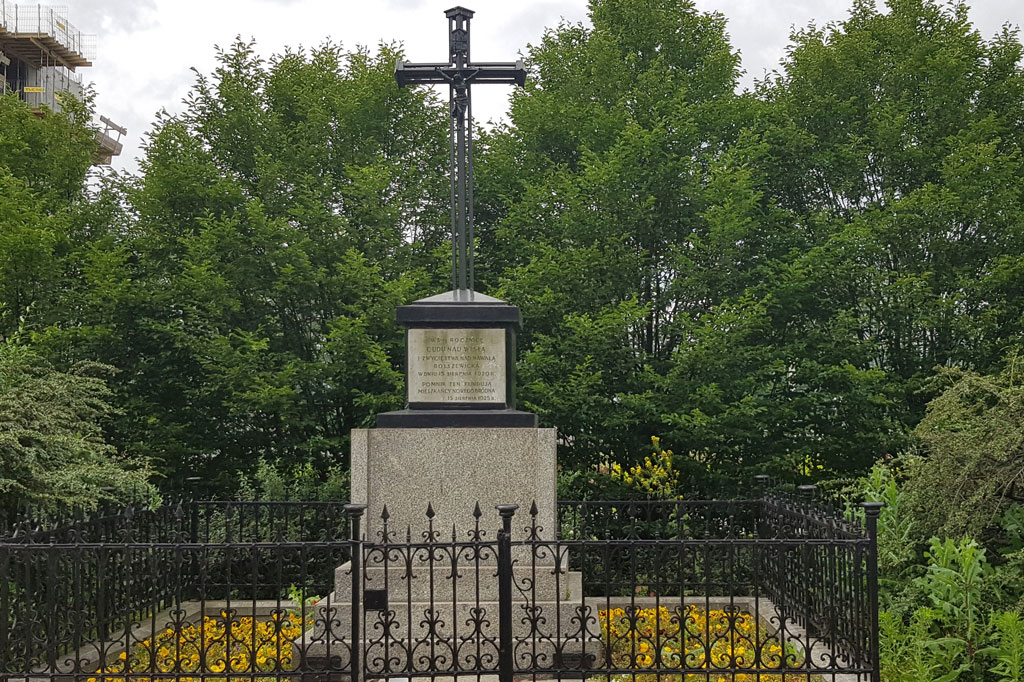
This place shows that great history is also written far off the beaten tourist track. A monument commemorating the victory of Polish troops in the famous 1920 Battle of Warsaw can be found in the cobbled section of Wysocki Street, at No. 49. It takes the form of a steel crucifix on a pedestal, and was funded by the inhabitants of Nowy Bródno on August 15, 1925. Due to the date of its creation and the surprising victory of Poles, it is sometimes called the ‘Monument of the 5th anniversary of the Miracle on the Vistula’. Vandalised after the war by members of the communist-era Security Office (Urząd Bezpieczeństwa), it was restored in 1995. Modest in form, it recalls the battle that saved Europe from Bolshevik totalitarianism.

Bródno cemeteries and sacral monuments
If you want to go even further back in time, visit two historic necropolises established at a time when Bródno lay far beyond Warsaw’s city limits.
The older one is the Bródno Jewish Cemetery, whis is the final resting place of as many as 300,000, mainly poor, Jews. It was created in 1780 on the initiative of Szmul Zbytkower—court banker to King Stanisław August Poniatowski of Poland. Destroyed during both the First and Second World Wars, it suffered complete devastation during the early years of the Polish People’s Republic. In this state, it was immortalised in the Agnieszka Holland film ‘Europa Europa’. You can learn about the cemetery’s history by visiting the exhibition in the pavilion by the entrance. You can also learn about Jewish funeral customs there.
More than 100 years younger than the Jewish Cemetery, the nearby Bródno Cemetery was opened in 1884. With around 1.5 million graves, it is one of the Europe’s biggest burial sites. It was originally used to interr poor people who died in hospitals and shelters, as well as Roma people and non-believers. Over time, they were joined by wealthier people, such as pre-war politician Roman Dmowski, singer Mieczysław Fogg, or iconic cartoonist and author of the comic book series ‘Tytus, Romek i A’Tomek’, Papcio Chmiel. After World War II, the remains of victims of communist terror were also buried here.
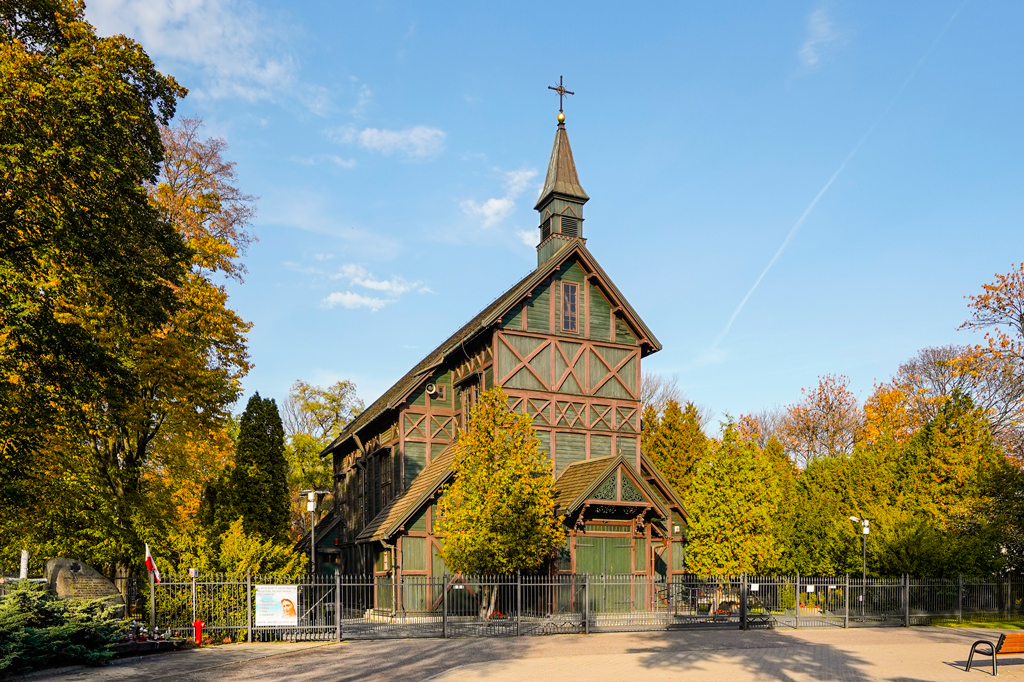
Near the entrance from Wincentego Street , on the main Avenue, stands a small temple, which serves as a cemetery chapel. This is the historic church of Saint Vincent de Paul dating back to 1888 and built entirely of wood. To see the inside, come on a Sunday, when mass is celebrated, in addition to funeral services. You can admire the rich, vivid polychrome and decor reminiscent of highland churches.
Paprocki House
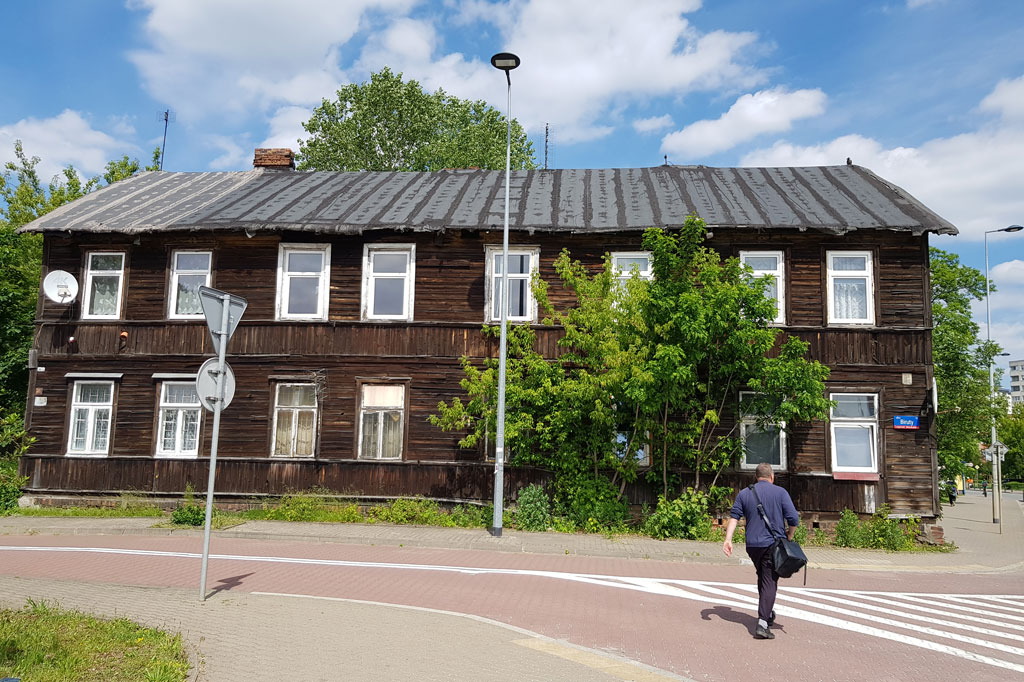
This historic tenement house, located by the Żaba roundabout right by the entrance to the Jewish Cemetery, stands out clearly from the district’s modern buildings. Built around 1911 by the entrepreneur Baltazar Paprocki, it is currently the largest wooden tenement house in Warsaw. Though time-worn, the building has retained traces of its pre-war charm, when in addition to local railwaymen, apartments in it were rented by craftsmen and people of culture and politics. In the early days of August 1944, it housed a field hospital for Warsaw Uprising insurgents. To feel the pre-war atmosphere, view the tenement from the rear. There are two ivy-covered porches decorated in the Świdermajer style typical of the Vistula region. Apartments with original cast iron numbers above the doors are still occupied by tenants. One of the flats even appeared in the series ‘Alternatywy 4’ as the residence of Professor Dąb-Rozwadowski, before he moved to Ursynów.
Church of the Resurrection of the Lord
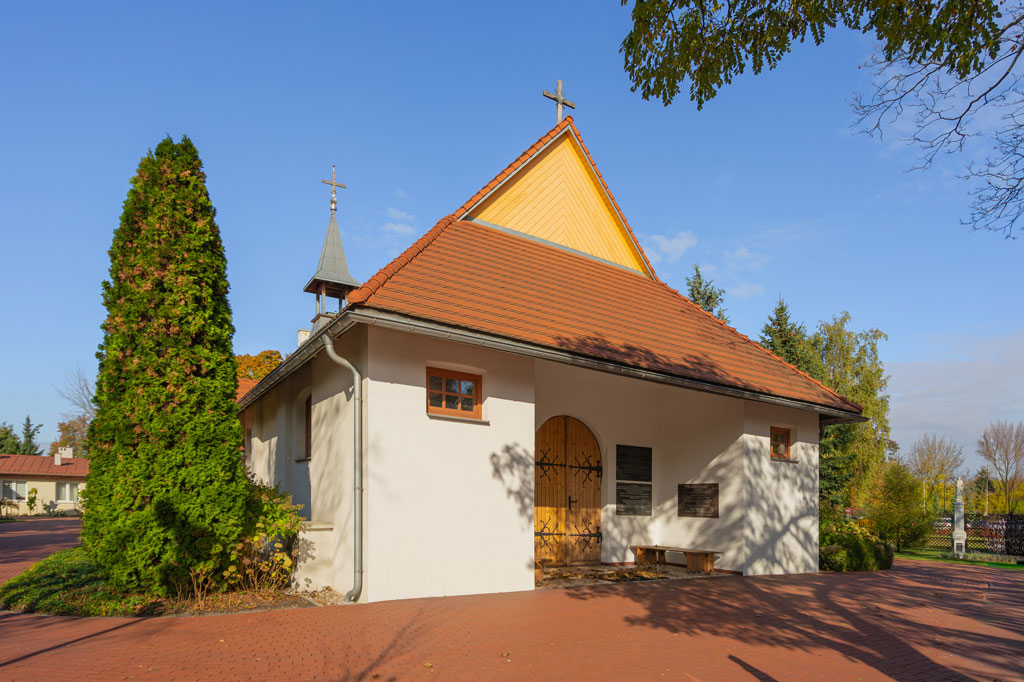
In the part of Targówek called Fabryczny, on Ziemowita Street, is an unusual house of worship dating back to 1919. It was created on the initiative of railwaymen as a token of gratitude to God for Poland regaining its independence. It was designed by Stefan Szyller, a renowned architect responsible for the Warsaw University of Technology and Zachęta Gallery. Interestingly, the construction materials came from the demolished Petersburg Railway Station, and the church was consecrated by the future Pope Pius XI. On August 25 every year, mass is celebrated here for the victims of a 1944 Nazi mass arrest operation in which thousands of residents were detained. Notice the church’s tall gable roof, topped with a slender bell-turret. Doesn’t it remind you of highland architecture? In the middle of the bell tower adjacent to the church is the skeleton of a supporting structure for the bell, made out of tracks from the demolished Saint Petersburg Railway. How many traces of history can a modest church conceal?
Street Art
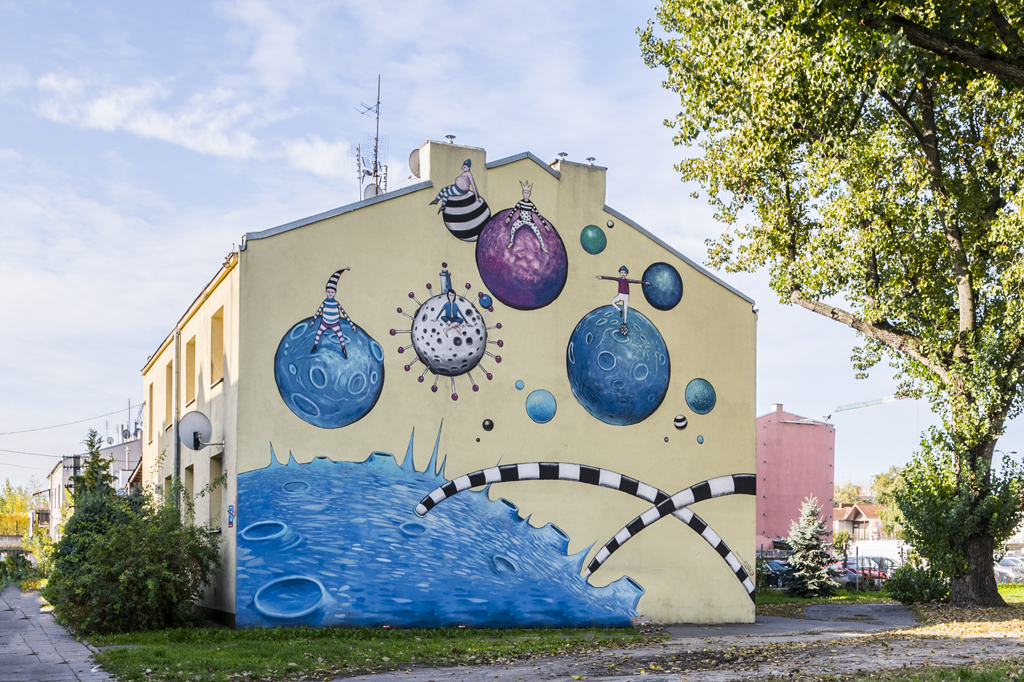
The Targówek district is rightly associated with residential blocks, the walls of which teem with colour and street art. At 140 Radzymińska Street, you will see a mural of an ancient column in the modern style of American artistic duo Cyrcle—’Collapse Part II’, and ‘Panna Wolna’ (Free Maiden) by the famous graphic artist Andrzej Pągowski—a symbol of solidarity with Ukraine. Nearby, at number 150, is the mural ‘Człowieczy los’ (Man’s fate) featuring a wolf and a sheep, created to mark the 20th anniversary of partnership between the cities of Warsaw and Düsseldorf.
In other parts of the district, you will see ‘Mały Książę’ (The Little Prince), a mural inspired by Antoine de Saint Exupery’s book of the same title, ‘System edukacji’ (The Education System) by Sepe, and the black-and-white work of Loesje International bearing the inscription ‘Nie rozmawiaj z nieznajomym, bo jeszcze kogoś poznasz’ (Do not talk to a stranger, because you will meet someone else). Be sure to also check out the mural of Józef Balcerek from ‘Alternatywy 4’ at 50 Naczelnikowska St. He reminds us that this is where the shady hero of the series came from. On Rzeczna Street you will find the mural ‘100 m tolerancji’ (100 m of tolerance) painted on an overground pipeline. It depicts children from various parts of the world holding hands. The street gallery brings the space to life and prompts reflection. Would you like to discover how blocks in Targówek turn into canvases full of stories?
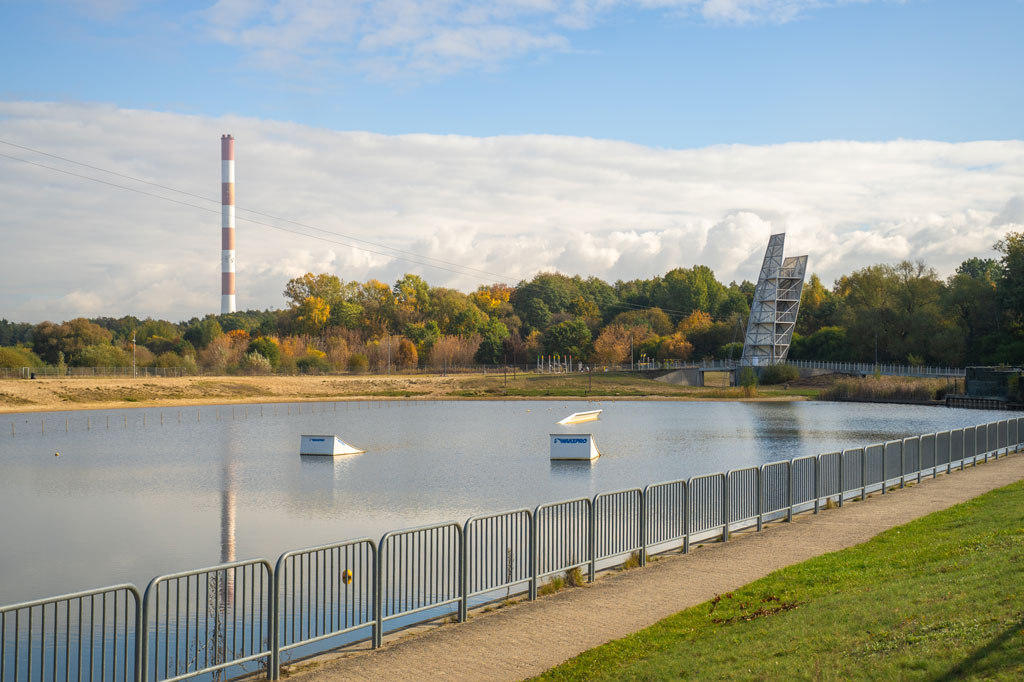
Bardowski Reservoir
Check out the eastern end of Targówek and discover a place where Warsaw slows down. Surrounded by woods and meadows, the reservoir becomes a real oasis of relaxation in summer. You can sunbathe on the beach, try wakeboarding, or just chill out sipping something cool in one of the seasonal bars.
Children will be thrilled with the playground, and everyone can work out in the outdoor gym. In the nearby forest you will find an unusual trail with wooden footbridges, perfect for a leisurely stroll or bike ride.
Don’t forget to climb up the observation tower to see how green and tranquil Targówek can be. Come and see for yourself—it’s one of those places you’ll want to come back to!